

Designing an Eco-Friendly Green Bedroom for Sustainable Living
Designing a green bedroom with sustainable materials and energy efficient features for eco living
Image Gallery


Click to preview this style in your own space!
Upload a photo of your room to preview this exact style on your space with just a click using our AI!
Preview for Free!

Design Hub Tools


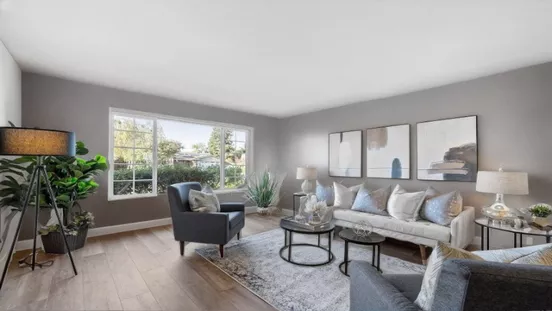
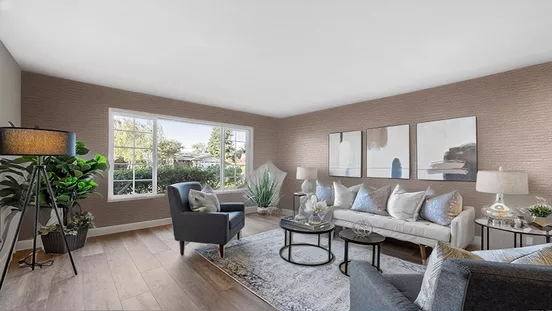


More to Explore




How to Design Green Bedroom
Designing a green bedroom is not only aesthetically pleasing but also environmentally friendly. By incorporating sustainable materials and energy-efficient practices, you can create a space that promotes health and well-being. Here are 10 tips on how to design a green bedroom:
1. Choose eco-friendly materials: When selecting furniture, flooring, and textiles for your bedroom, opt for materials that are sustainably sourced and free from harmful chemicals. Look for items made from bamboo, reclaimed wood, organic cotton, and other natural materials.
2. Use non-toxic paint: Traditional paints can release harmful volatile organic compounds (VOCs) into the air, contributing to indoor air pollution. Choose low-VOC or zero-VOC paints to reduce your exposure to toxins and create a healthier indoor environment.
3. Incorporate plants: Plants not only add a touch of greenery to your bedroom but also help purify the air by absorbing toxins and releasing oxygen. Choose low-maintenance houseplants like snake plants, peace lilies, or spider plants to improve air quality and create a calming atmosphere.
4. Maximize natural light: Take advantage of natural light by positioning your bed and furniture near windows to reduce the need for artificial lighting during the day. Install energy-efficient window treatments like blinds or curtains to control light levels and maintain privacy.
5. Invest in energy-efficient lighting: Choose LED or CFL light bulbs for your bedroom to reduce energy consumption and lower your electricity bills. Consider installing dimmer switches or smart lighting systems to adjust the brightness and create a cozy ambiance.
6. Insulate your bedroom: Proper insulation can help regulate temperature and reduce energy usage for heating and cooling. Seal gaps around windows and doors, add weather-stripping, and consider upgrading to energy-efficient windows to improve insulation and reduce drafts.
7. Choose sustainable bedding: Opt for organic cotton or bamboo bedding to create a comfortable and eco-friendly sleep environment. Look for bedding that is certified organic and free from harmful chemicals to promote a restful night's sleep.
8. Reduce clutter: Decluttering your bedroom not only creates a more peaceful and organized space but also reduces the need for excess furniture and storage solutions. Donate or recycle items you no longer need and invest in multi-functional furniture to maximize space.
9. Incorporate recycled materials: Consider using recycled or upcycled materials in your bedroom design to reduce waste and minimize your environmental impact. Look for furniture, decor, and accessories made from recycled wood, glass, metal, or plastic to add a unique and sustainable touch to your space.
10. Support local artisans: When shopping for bedroom decor and accessories, consider supporting local artisans and craftsmen who create handmade and sustainable products. By choosing locally made items, you can reduce the carbon footprint of your purchases and contribute to the local economy.
In conclusion, designing a green bedroom involves making conscious choices that prioritize sustainability, health, and well-being. By incorporating eco-friendly materials, energy-efficient practices, and natural elements, you can create a space that is not only beautiful but also environmentally responsible. Follow these 10 tips to design a green bedroom that promotes a healthy and sustainable lifestyle.