

Designing an Eco-Friendly Green Kitchen
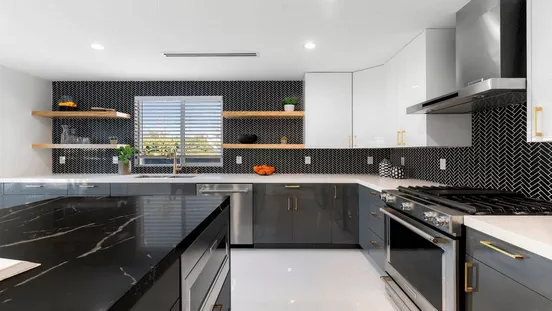
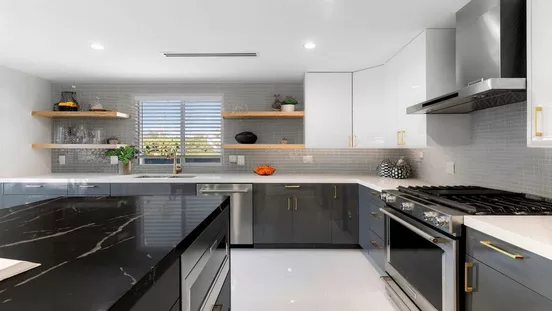
Designing a green kitchen focuses on energy efficiency recycling and using sustainable materials
Image Gallery


Click to preview this style in your own space!
Upload a photo of your room to preview this exact style on your space with just a click using our AI!
Preview for Free!

Design Hub Tools






More to Explore




How to Design Green Kitchen
Designing a green kitchen is not only beneficial for the environment but also for your health and well-being. By incorporating sustainable practices and materials into your kitchen design, you can reduce your carbon footprint and create a healthier living space. Here are 10 tips on how to design a green kitchen:
1. Use energy-efficient appliances: When choosing appliances for your kitchen, opt for energy-efficient models that are certified by Energy Star. These appliances use less energy, which can help reduce your electricity bills and lower your carbon emissions.
2. Install LED lighting: LED lighting is more energy-efficient than traditional incandescent bulbs and can last up to 25 times longer. By using LED lighting in your kitchen, you can reduce your energy consumption and create a brighter, more inviting space.
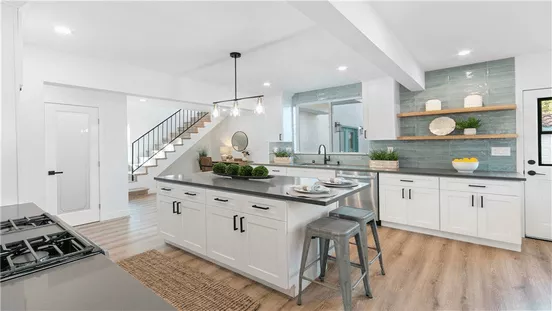
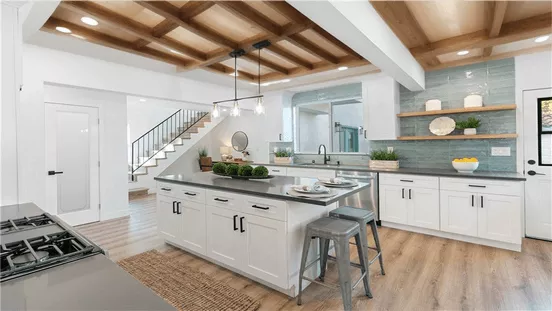
3. Choose sustainable materials: When selecting materials for your kitchen cabinets, countertops, and flooring, look for options that are eco-friendly and sustainable. Bamboo, reclaimed wood, and recycled glass are all great choices for a green kitchen design.
4. Incorporate natural light: Maximizing natural light in your kitchen can help reduce your reliance on artificial lighting and lower your energy consumption. Consider adding skylights, large windows, or glass doors to bring in more natural light.
5. Use low-VOC paints and finishes: Volatile organic compounds (VOCs) are harmful chemicals found in many paints and finishes that can off-gas into your home. To create a healthier indoor environment, choose low-VOC or zero-VOC paints and finishes for your kitchen.
6. Compost food waste: Setting up a composting system in your kitchen can help reduce the amount of food waste that ends up in landfills. Composting not only benefits the environment but also provides nutrient-rich soil for your garden.
7. Install a water-saving faucet: A water-saving faucet can help reduce your water usage and lower your utility bills. Look for faucets with a low flow rate or install a faucet aerator to conserve water in your kitchen.
8. Opt for eco-friendly countertops: When choosing countertops for your kitchen, consider options like recycled glass, concrete, or bamboo. These materials are durable, sustainable, and can add a unique touch to your kitchen design.
9. Use eco-friendly cleaning products: Many conventional cleaning products contain harmful chemicals that can pollute the air in your home. Switch to eco-friendly cleaning products that are non-toxic and biodegradable to create a healthier living environment.
10. Design for efficiency: When planning the layout of your kitchen, consider how you can maximize efficiency and reduce waste. Organize your kitchen storage to minimize food spoilage, use energy-efficient appliances, and incorporate smart design features like a recycling center to make your kitchen more sustainable.
By following these tips, you can design a green kitchen that is not only environmentally friendly but also beautiful, functional, and healthy. Making small changes in your kitchen design can have a big impact on your carbon footprint and create a more sustainable living space for you and your family.