

Designing a Green Living Room for Eco-Friendly Elegance
Designing a green living room blends ecofriendly elegance with natural tones and sustainable materials
Image Gallery


Click to preview this style in your own space!
Upload a photo of your room to preview this exact style on your space with just a click using our AI!
Preview for Free!

Design Hub Tools


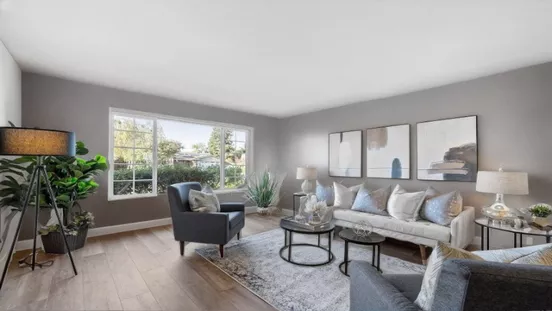
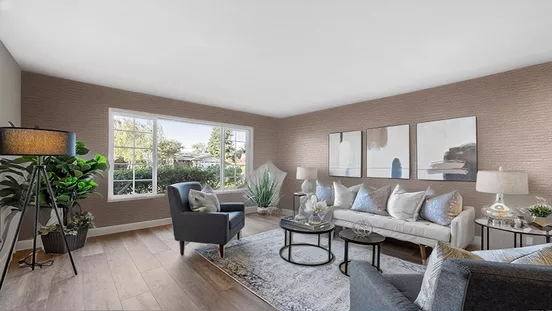


More to Explore




How to Design Green Living Room
Designing a green living room is not only beneficial for the environment but also for your health and well-being. By incorporating sustainable and eco-friendly elements into your living space, you can create a space that is not only beautiful but also promotes a healthy lifestyle. Here are 10 tips on how to design a green living room:
1. Choose eco-friendly materials: When designing a green living room, it is important to choose materials that are sustainable and environmentally friendly. Opt for materials such as bamboo, reclaimed wood, cork, and recycled glass to reduce your carbon footprint.
2. Use non-toxic paint: Traditional paints contain harmful chemicals that can off-gas into your home and affect indoor air quality. Choose non-toxic, low-VOC paints to create a healthier living environment for you and your family.
3. Incorporate indoor plants: Indoor plants not only add a touch of greenery to your living room but also help purify the air by absorbing toxins and releasing oxygen. Choose low-maintenance plants such as snake plants, pothos, and spider plants to improve indoor air quality.
4. Maximize natural light: Take advantage of natural light by maximizing the use of windows and skylights in your living room. Natural light not only reduces the need for artificial lighting but also helps improve mood and productivity.
5. Invest in energy-efficient lighting: When choosing lighting fixtures for your living room, opt for energy-efficient LED bulbs that consume less energy and last longer than traditional incandescent bulbs. Consider installing dimmer switches to adjust the lighting levels based on your needs.
6. Choose sustainable furniture: When selecting furniture for your living room, look for pieces made from sustainable materials such as FSC-certified wood, bamboo, or recycled materials. Avoid furniture made from particleboard or MDF, as they often contain harmful chemicals.
7. Incorporate vintage and upcycled pieces: Give new life to old furniture by incorporating vintage and upcycled pieces into your living room design. Not only does this add character to your space, but it also reduces waste and promotes sustainability.
8. Use natural textiles: Choose organic cotton, linen, hemp, or wool textiles for your living room upholstery, curtains, and rugs. These natural fibers are not only eco-friendly but also durable and comfortable.
9. Reduce clutter: A clutter-free living room not only looks more spacious and inviting but also promotes a sense of calm and relaxation. Invest in storage solutions such as baskets, shelves, and cabinets to keep your space organized and clutter-free.
10. Incorporate sustainable decor: Add the finishing touches to your green living room with sustainable decor such as eco-friendly artwork, handmade pottery, and natural fiber rugs. Choose decor items that are ethically sourced and support local artisans.
In conclusion, designing a green living room is a great way to create a healthy and sustainable living environment for you and your family. By incorporating eco-friendly materials, energy-efficient lighting, indoor plants, and sustainable furniture, you can create a space that is not only beautiful but also promotes a greener lifestyle. Follow these 10 tips to design a green living room that is both stylish and environmentally friendly.