

Modern Japanese Living Room Ideas
A modern Japanese living room typically features minimalist design, natural materials like wood and bamboo, low furniture, sliding doors, and tatami mats. The space is often serene, uncluttered, and focused on creating a harmonious atmosphere for relaxation and contemplation.
Design Elements of a Modern Japanese Living Room
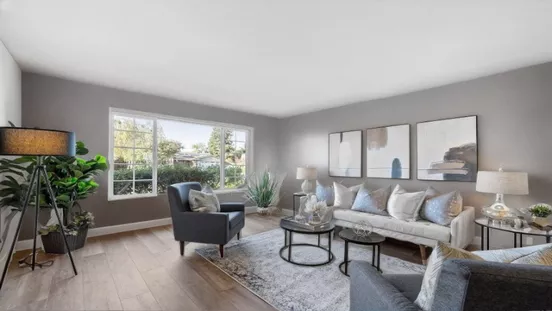
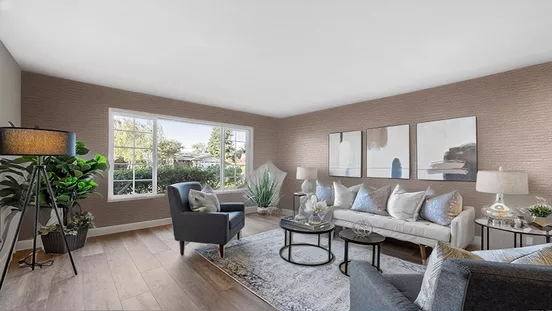
Modern Japanese living room blends minimalism natural materials light tones sliding doors tatami mats
Image Gallery


Click to preview this style in your own space!
Upload a photo of your room to preview this exact style on your space with just a click using our AI!
Preview for Free!

Design Hub Tools




More to Explore




How to Design Modern Japanese Living Room
Designing a modern Japanese living room can create a serene and minimalist space that promotes relaxation and tranquility. Here are 10 tips to help you achieve a modern Japanese aesthetic in your living room:
1. Embrace simplicity: Japanese design is all about simplicity and minimalism. Keep your living room clutter-free by only including essential furniture and decor pieces. Opt for clean lines and neutral colors to create a sense of calm and balance.
2. Use natural materials: Incorporate natural materials such as wood, bamboo, and stone into your living room design. These materials are commonly used in Japanese interiors and can help bring a sense of warmth and nature into your space.
3. Create a tatami area: Tatami mats are traditional Japanese flooring made from rice straw and woven rush grass. Create a designated tatami area in your living room by placing a few tatami mats on the floor. This can help add an authentic Japanese touch to your space.
4. Choose low furniture: Japanese furniture is typically low to the ground, which helps create a sense of openness and flow in a room. Opt for low coffee tables, seating, and storage units to achieve a modern Japanese look in your living room.
5. Incorporate shoji screens: Shoji screens are traditional Japanese sliding doors made from translucent paper and wooden frames. Use shoji screens to divide spaces in your living room or as a decorative element to add a touch of Japanese flair to your design.
6. Add natural light: Natural light is an essential element in Japanese design. Maximize natural light in your living room by keeping windows unobstructed and using light, sheer curtains to allow sunlight to filter through. Consider adding skylights or large windows to bring more natural light into your space.
7. Include traditional Japanese elements: Incorporate traditional Japanese elements such as bonsai trees, ikebana flower arrangements, and Japanese artwork into your living room design. These elements can help create a sense of authenticity and cultural richness in your space.
8. Opt for a neutral color palette: Japanese interiors often feature a neutral color palette with earthy tones such as beige, brown, and grey. Choose a calming color scheme for your living room to create a harmonious and balanced atmosphere.
9. Keep decor minimal: Avoid cluttering your living room with too many decorative items. Instead, choose a few carefully curated pieces that have meaning and significance to you. Consider incorporating Japanese-inspired decor such as Zen gardens, bamboo plants, or traditional pottery.
10. Focus on balance and harmony: Japanese design principles emphasize the importance of balance and harmony in a space. Pay attention to the layout and arrangement of furniture and decor in your living room to create a sense of balance and flow. Experiment with different furniture placements and arrangements until you achieve a harmonious and visually pleasing design.
By following these tips, you can create a modern Japanese living room that is both stylish and serene. Embrace simplicity, natural materials, and traditional Japanese elements to achieve a minimalist and tranquil space that promotes relaxation and well-being.