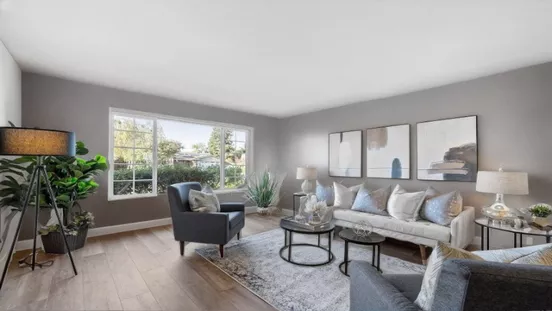
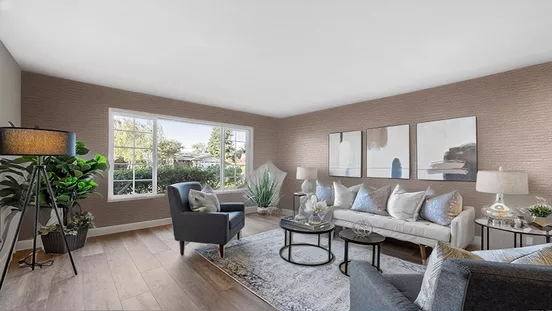
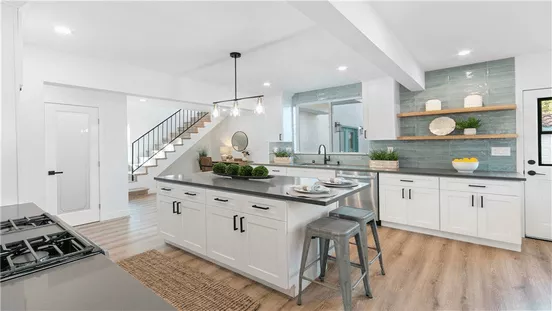
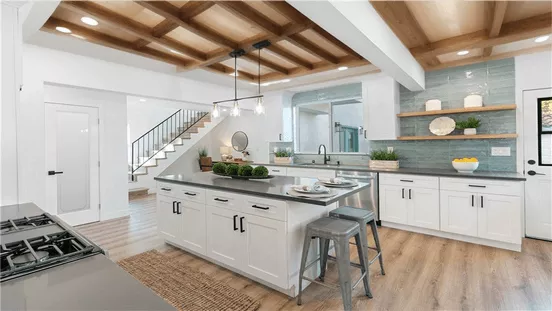
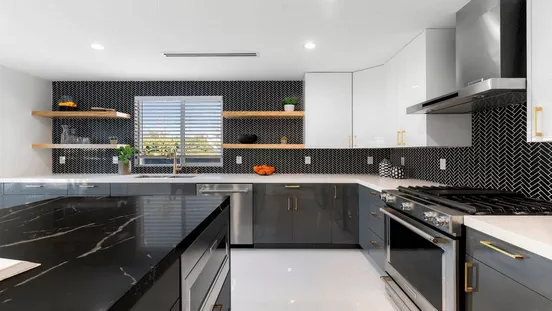
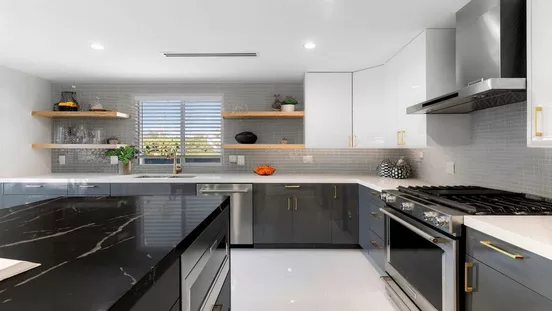
A modern office is a dynamic and innovative workspace that embraces technology, collaboration, and flexibility. It is designed to enhance productivity and employee well-being, with open floor plans, ergonomic furniture, and natural lighting. It incorporates the latest advancements in communication and automation, with smart devices and cloud-based systems. Modern offices prioritize employee engagement and work-life balance, offering amenities like wellness rooms, recreational areas, and flexible work hours. They foster a culture of creativity and teamwork, encouraging employees to think outside the box and share ideas. Overall, a modern office is a vibrant and inclusive environment that adapts to the evolving needs of the workforce.
Designing a modern office is crucial for creating a productive and inspiring work environment. Here are 10 tips to help you design a modern office:
1. Embrace open and flexible spaces: Modern offices are all about creating open and flexible spaces that encourage collaboration and communication among employees. Use modular furniture and flexible layouts to allow for easy reconfiguration of the space as needed.
2. Incorporate natural light: Natural light has a positive impact on employee well-being and productivity. Design your office with large windows and skylights to maximize the amount of natural light entering the space. Additionally, use light-colored walls and reflective surfaces to enhance the distribution of natural light.
3. Create comfortable workstations: Ergonomics is a key consideration in modern office design. Provide adjustable desks and chairs that support good posture and allow employees to work comfortably for extended periods. Incorporate standing desks and ergonomic accessories to promote movement and reduce the risk of sedentary behavior.
4. Integrate technology: Modern offices rely heavily on technology to streamline processes and enhance productivity. Ensure that your office design includes ample power outlets, charging stations, and cable management systems to accommodate the use of various devices. Additionally, incorporate smart technology for lighting, temperature control, and security to create a seamless and efficient work environment.
5. Prioritize sustainability: Sustainable design is an essential aspect of modern office design. Use eco-friendly materials, such as recycled or renewable resources, for furniture and finishes. Install energy-efficient lighting and HVAC systems to reduce energy consumption. Incorporate recycling stations and encourage employees to adopt sustainable practices.
6. Foster collaboration: Collaboration is a key driver of innovation and productivity in modern workplaces. Design spaces that facilitate collaboration, such as open meeting areas, breakout rooms, and communal spaces. Incorporate whiteboards, projectors, and other collaborative tools to encourage brainstorming and idea sharing.
7. Provide quiet zones: While collaboration is important, it's equally important to provide quiet zones where employees can focus and concentrate on individual tasks. Designate areas for quiet work, such as private offices or soundproof booths, to minimize distractions and promote productivity.
8. Incorporate biophilic design elements: Biophilic design incorporates elements of nature into the office environment, which has been shown to improve employee well-being and productivity. Integrate plants, natural materials, and nature-inspired artwork to create a connection with the outdoors and enhance the overall ambiance of the office.
9. Enhance acoustics: Noise can be a significant distraction in the workplace. Incorporate acoustic panels, sound-absorbing materials, and carpeting to reduce noise levels and create a more peaceful and focused work environment. Consider using white noise machines or background music to mask distracting sounds.
10. Personalize the space: Finally, allow employees to personalize their workspaces to create a sense of ownership and belonging. Provide storage solutions, such as lockers or personal drawers, where employees can keep personal items. Encourage the display of personal photos or artwork to make the space feel more inviting and comfortable.
In conclusion, designing a modern office involves creating open and flexible spaces, incorporating natural light, prioritizing comfort and ergonomics, integrating technology, fostering collaboration, promoting sustainability, providing quiet zones, incorporating biophilic design elements, enhancing acoustics, and allowing for personalization. By following these tips, you can create a modern office that promotes productivity, creativity, and employee well-being.