

Red Grey and White Living Room Ideas
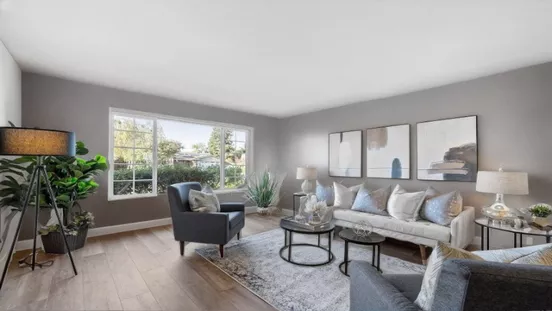
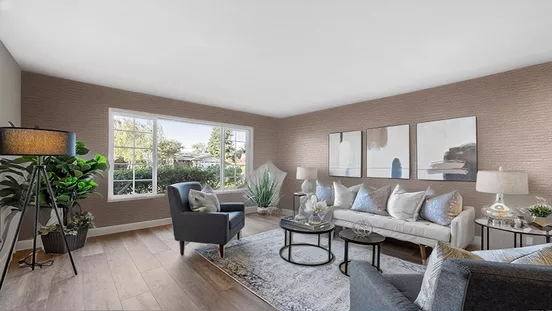
The red, grey, and white living room is a modern and stylish space that exudes elegance and sophistication. The dominant color scheme of red, grey, and white creates a visually striking and harmonious atmosphere. The red accents add a pop of color and energy, while the grey and white tones provide a calming and neutral backdrop. The furniture and decor are carefully chosen to complement the color scheme, with sleek lines and contemporary designs. This living room is perfect for those who appreciate a chic and refined aesthetic.
Designing a Red Grey and White Living Room
A modern bedroom with ample space boasts a minimalist style large windows sleek furniture and soft lighting
Image Gallery


Click to preview this style in your own space!
Upload a photo of your room to preview this exact style on your space with just a click using our AI!
Preview for Free!

Design Hub Tools




More to Explore




How to Design a Red Grey and White Living Room
Designing a red, grey, and white living room can create a modern and sophisticated space. These colors work well together to create a balanced and visually appealing room. Here are 10 tips to help you design a red, grey, and white living room:
1. Choose a dominant color: Decide which color will be the dominant one in your living room. This will set the tone for the space and help you determine how to incorporate the other colors. In this case, red can be a bold and vibrant choice for the dominant color.
2. Use grey as a neutral base: Grey is a versatile color that can act as a neutral base in your living room. Use it for larger furniture pieces such as sofas or walls to create a calming and balanced backdrop for the red accents.
3. Add pops of red: Incorporate red accents throughout the room to create visual interest and add energy. This can be done through throw pillows, artwork, rugs, or even a red accent wall. Be mindful not to overdo it, as too much red can be overwhelming.
4. Balance with white: White can be used to balance out the red and grey in the room. Use it for smaller furniture pieces, such as coffee tables or side tables, as well as for curtains or trim. White will help to brighten the space and create a clean and fresh look.
5. Consider patterns: Incorporating patterns can add depth and texture to your living room. Look for patterns that include red, grey, and white to tie the color scheme together. This can be done through patterned throw pillows, rugs, or even wallpaper.
6. Play with different shades: Experiment with different shades of red, grey, and white to create a dynamic and layered look. For example, you can use a darker shade of grey for the walls and a lighter shade for the furniture. This will add depth and dimension to the room.
7. Use lighting strategically: Lighting plays a crucial role in any room design. In a red, grey, and white living room, consider using warm lighting to enhance the red accents and create a cozy atmosphere. Use dimmers to adjust the intensity of the light as needed.
8. Incorporate textures: To add visual interest and depth to your living room, incorporate different textures. This can be done through textured throw pillows, rugs, curtains, or even wall panels. Mixing textures will create a more inviting and visually appealing space.
9. Create a focal point: Designate a focal point in your living room to draw attention and create a sense of balance. This can be a fireplace, a large piece of artwork, or even a statement furniture piece. Use red, grey, and white elements to enhance the focal point and tie the room together.
10. Keep it cohesive: Lastly, ensure that all elements in your living room design work together cohesively. This includes furniture, accessories, and even wall colors. Stick to the red, grey, and white color scheme throughout the room to create a harmonious and well-designed space.
In conclusion, designing a red, grey, and white living room can be a fun and creative process. By following these 10 tips, you can create a modern and sophisticated space that is visually appealing and inviting. Remember to balance the colors, incorporate textures, and create a cohesive design to achieve the desired look.