

Traditional Living Room Ideas
A traditional living room exudes timeless elegance and charm. It typically features classic furniture pieces, such as a plush sofa, armchairs, and a coffee table. Rich, warm colors like deep reds, browns, and golds are often used to create a cozy and inviting atmosphere. Traditional living rooms often showcase intricate details, such as ornate moldings, decorative rugs, and elegant curtains. The space is designed to be comfortable and welcoming, with a focus on creating a cozy gathering area for family and friends.
Design Elements and Features for a Traditional Living Room
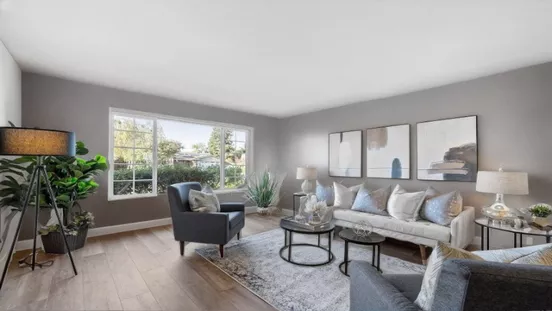
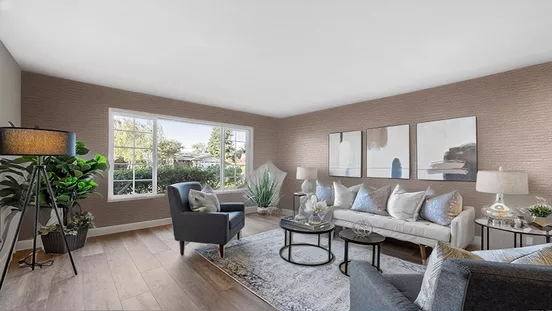
A modern bedroom with ample space boasts a minimalist style large windows sleek furniture and soft lighting
Image Gallery


Click to preview this style in your own space!
Upload a photo of your room to preview this exact style on your space with just a click using our AI!
Preview for Free!

Design Hub Tools


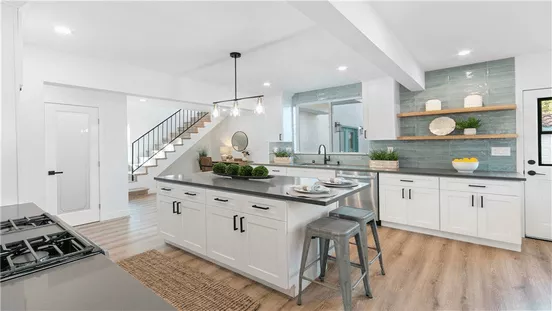
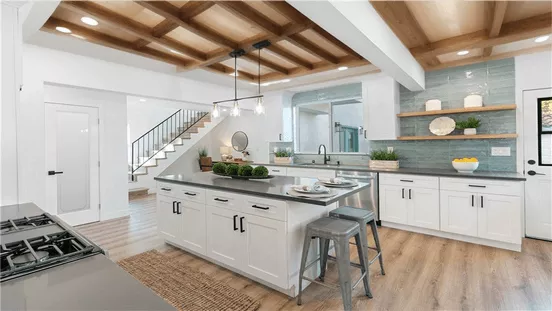
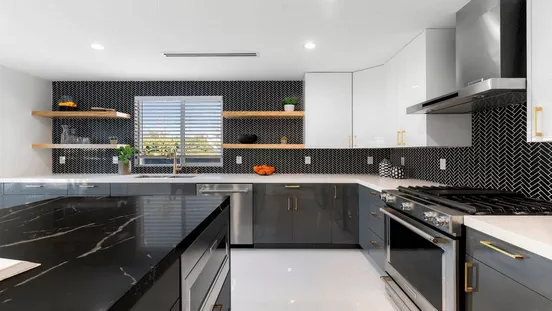
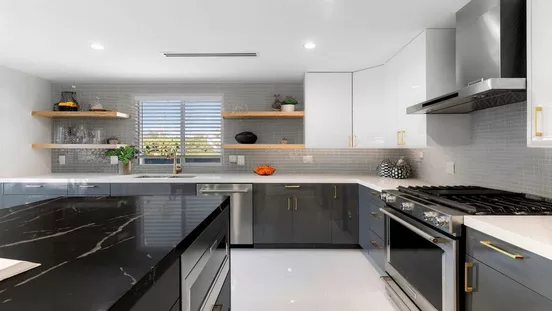


More to Explore




How to Design Traditional Living Room
Designing a traditional living room can be a challenging task, as it requires careful attention to detail and a deep understanding of the elements that define this style. To help you create a timeless and elegant space, here are 10 tips on how to design a traditional living room.
1. Choose a warm color palette: Traditional living rooms often feature warm and inviting colors such as earth tones, deep reds, and rich browns. Opt for colors that create a cozy and welcoming atmosphere.
2. Incorporate classic furniture pieces: Traditional living rooms are characterized by the use of classic furniture pieces. Invest in high-quality sofas, armchairs, and coffee tables with intricate details and elegant finishes.
3. Use traditional patterns: Traditional living rooms often feature patterns such as damask, floral, or paisley. Incorporate these patterns through upholstery, curtains, or rugs to add visual interest and a touch of tradition.
4. Focus on symmetry: Symmetry is a key element in traditional design. Arrange furniture and accessories in a balanced and symmetrical manner to create a sense of order and harmony in the room.
5. Add architectural details: Traditional living rooms often showcase architectural details such as crown molding, wainscoting, or coffered ceilings. If your space lacks these features, consider adding them to enhance the traditional aesthetic.
6. Incorporate wood accents: Wood is a staple material in traditional design. Introduce wood accents through furniture, flooring, or decorative elements to add warmth and a sense of tradition to the room.
7. Include a focal point: Create a focal point in your living room to draw attention and anchor the space. This could be a fireplace, a large piece of artwork, or an eye-catching piece of furniture.
8. Layer textiles: Layering textiles is a great way to add depth and texture to a traditional living room. Combine different fabrics such as velvet, silk, or chenille in upholstery, curtains, and throw pillows to create a cozy and inviting atmosphere.
9. Display traditional artwork: Traditional living rooms often feature artwork that reflects the style and era. Hang oil paintings, framed prints, or vintage photographs on the walls to add a touch of elegance and sophistication.
10. Pay attention to lighting: Lighting plays a crucial role in setting the mood in a traditional living room. Incorporate a combination of ambient, task, and accent lighting to create a warm and inviting atmosphere. Consider using chandeliers, table lamps, and wall sconces to add a traditional touch.
In conclusion, designing a traditional living room requires careful consideration of color, furniture, patterns, symmetry, architectural details, wood accents, focal points, textiles, artwork, and lighting. By following these 10 tips, you can create a timeless and elegant space that exudes traditional charm and sophistication.