Real Estate Photographers in San Francisco: Pricing
Real estate photographer san francisco hiring guide with verified directory, what to check, and realistic pricing ranges for photos, drone, and 3D tours.
Buyers in San Francisco often decide whether a listing feels worth touring based on a few seconds of scrolling. That makes the photo set the first showing, not a nice-to-have. Searches for “real estate photographer san francisco” usually return a mix of ads, dated lists, and portfolios that do not match local housing stock.
This directory focuses on speed and fit. It explains what makes San Francisco shoots different, what to ask before booking, and what local pricing typically looks like. Then it provides a verified shortlist built only from publicly listed business details.
What it costs
Typical local rates. Most studios bundle these into packages.
The photographers
Everyone here shoots real estate. Filter to find a specialty.
With over 10,000 properties photographed, they specialize in residential, commercial, and architectural photography, plus Matterport 3D tours across major California cities.
Visit site →With 8 years of experience, they provide premium real estate photography, Matterport 3D tours, and virtual staging across the San Francisco Bay Area.
Visit site →Home Shots, led by award-winning photographer Ben Barghabany, provides premium real estate photography, Matterport tours, and aerials across the San Francisco Bay Area.
Visit site →Litpix offers real estate photography, videography, 3D Matterport tours, and aerials across the San Francisco Bay Area, featuring a 100% money-back guarantee.
Visit site →Operating since 2006, Open Homes Photography specializes in Bay Area real estate photography, aerials, and 3D tours, offering under 24-hour delivery.
Visit site →Property Launch specializes in real estate photography, drone shots, floorplans, and video walkthroughs with next-day images across Multnomah, Washington, Clark, Clackamas, and Columbia counties.
Visit site →Serving Southern California for 18 years, Rancho Photos specializes in real estate, drone, and 3D tour photography, having photographed over 65,000 properties.
Visit site →Rich Real Estate Photography provides ground photos, drone photography, floor plans, and virtual staging for realtors within 30 miles of Davis, California.
Visit site →Since 2011, Rob Jordan provides architectural, interior, and luxury real estate photography, including drone and 3D Matterport services, across the San Francisco Bay Area.
Visit site →With 16 years of experience, award-winning Slava Blazer Photography specializes in real estate, headshots, and events across the San Francisco Bay Area.
Visit site →Based in Oakland, Taka Taira-Kaplan specializes in premium real estate, architectural, and drone photography and videography across the San Francisco Bay Area.
Visit site →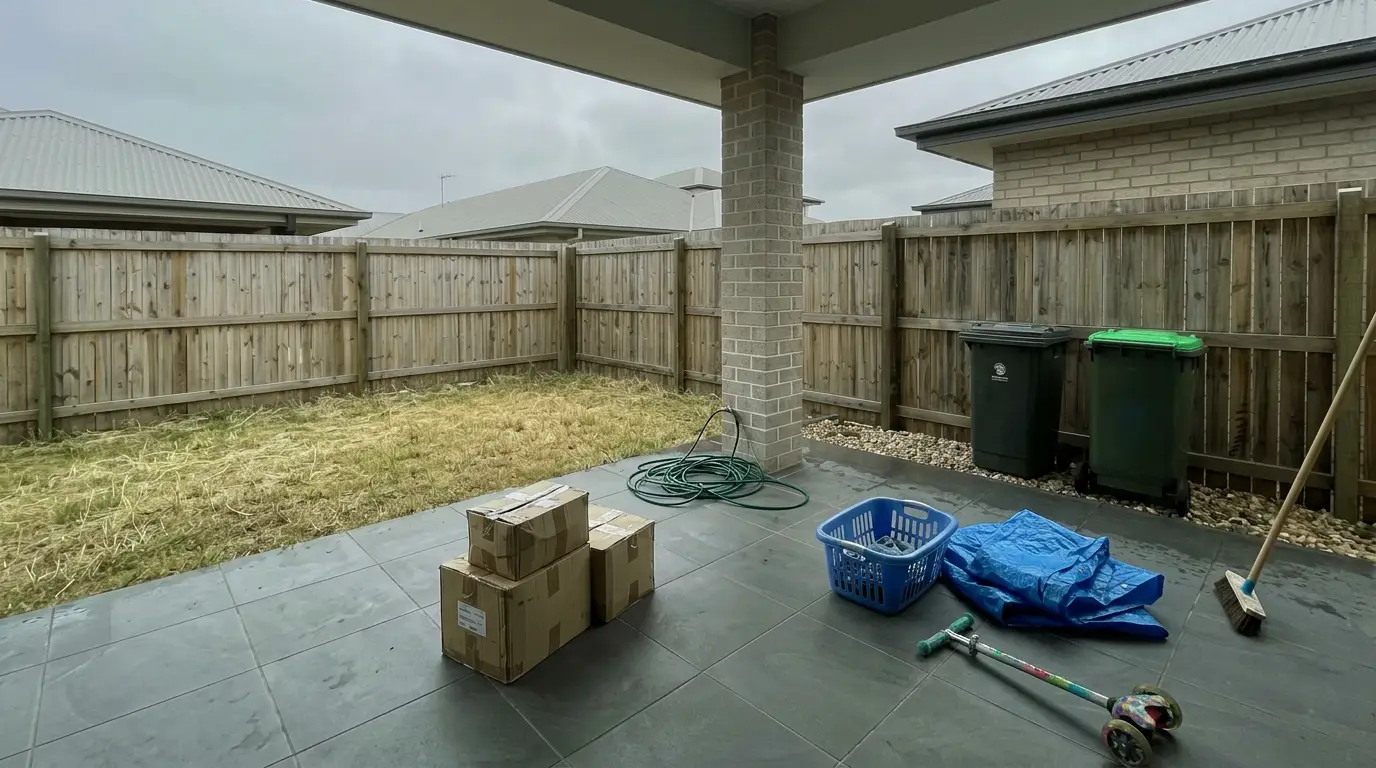
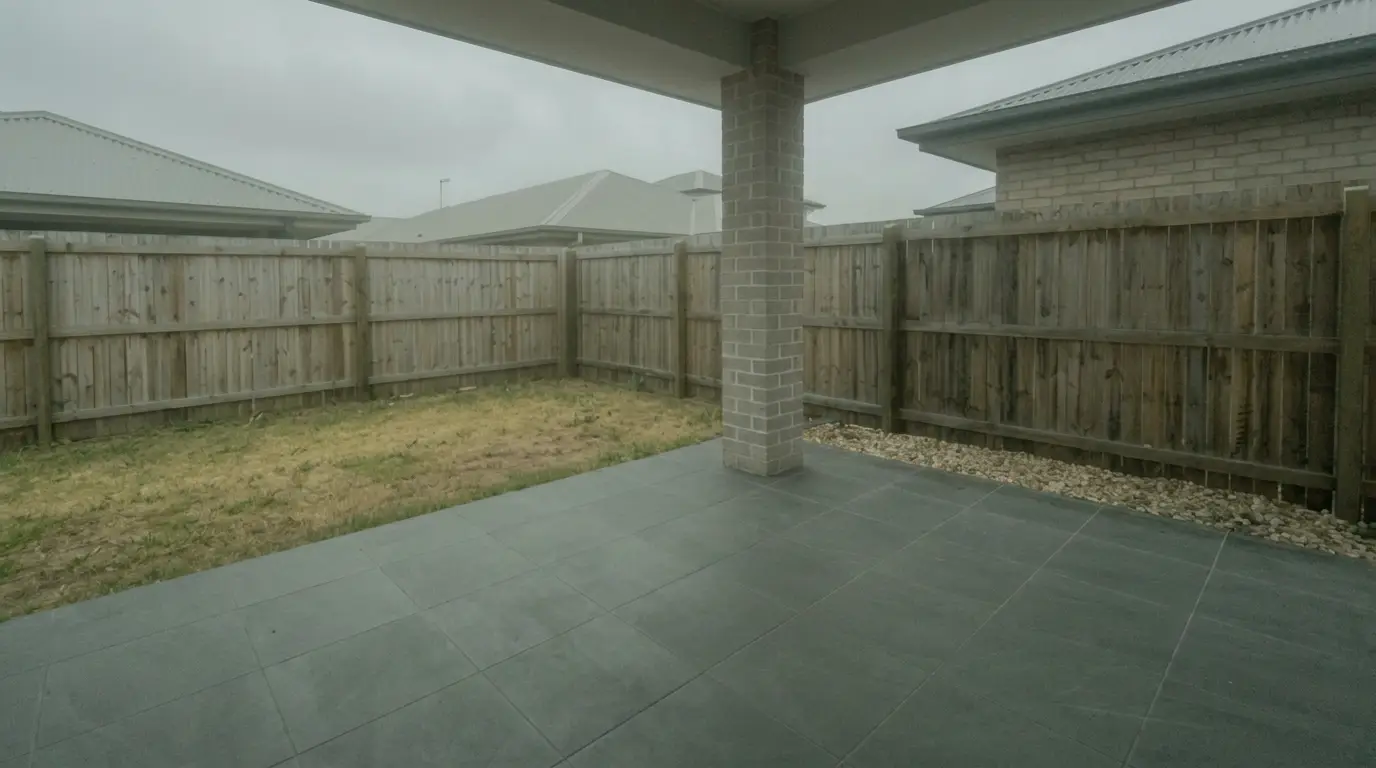
Finish your photos in about 30 seconds
Clutter, exposure and twilight handled in one pass. All 11 tools on one account. Free trial credits, no credit card.
Start editing freeWhy Professional Photos Matter for Listings in San Francisco
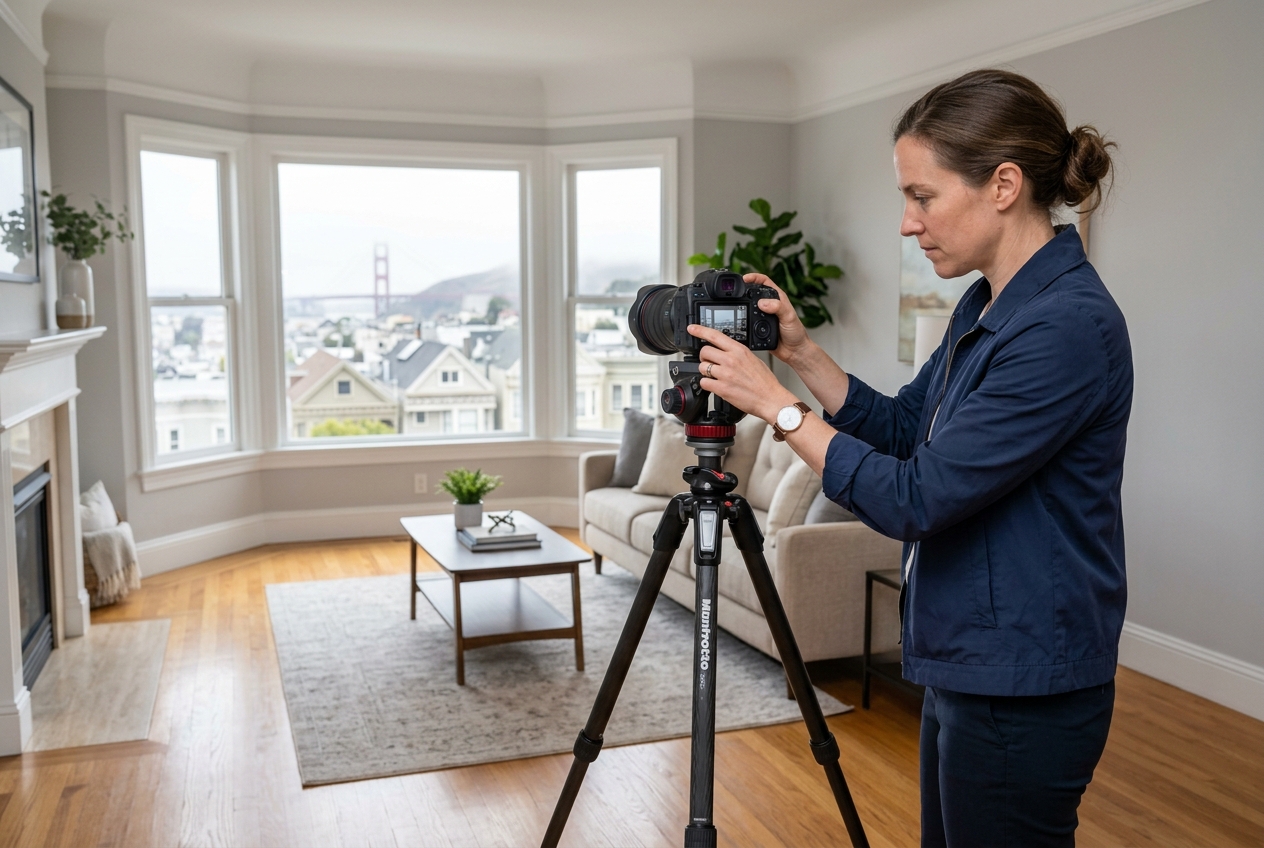
A San Francisco listing competes in a tight visual field. Buyers compare homes across neighborhoods that can feel like different cities: a bright Mission condo, a Sunset District row house with fog-soft light, or a hillside home where the view sells the floor plan. Photos carry that comparison before the first call.
San Francisco also punishes “almost good” work. Steep streets push exterior angles into distortion. Narrow Victorian and Edwardian rooms expose lens choices and composition fast. Condo towers in SoMa and Mission Bay turn window pulls into the entire value story, especially when skyline views drive interest.
Industry research keeps pointing to the same mechanism: shoppers use listing photos as a primary filter, and stronger visuals earn more attention online. The specific numbers vary by study and market, but the direction stays consistent across summaries like these real estate photography statistics.
Local conditions add practical pressure. Parking and building access can eat into the shooting window. Marine-layer fog can wipe out the look of an exterior set, especially near the coast. In dense neighborhoods, a photographer’s ability to move fast without rushing the frames matters as much as the camera.
What to Look for When Hiring a Real Estate Photographer
Portfolios in San Francisco can look great while still missing the skill that matters for a specific listing. A clean, modern loft requires a different eye than a Pacific Heights flat with tight hallways and layered lighting. Vetting starts with matching the work to the property.
Agents who want a broader framework can use this city page as a local chapter of a national directory on how to vet and hire real estate photographers by city. The core ideas stay consistent, but San Francisco adds access and light constraints that deserve extra attention.
Here is a practical checklist for evaluating a short list.
Post-production questions come up early in this market, because the raw set rarely ships “as-is.” Many teams separate capture from editing and handle some finishes with tools like AI real estate photo editing, while keeping the core photography consistent across the listing.
When Add-Ons Earn Their Fee in San Francisco
Add-ons often get pitched as a bundle. A better approach ties each specialty to a specific problem the listing needs to solve.
Interiors and architectural coverage is the baseline. In San Francisco, that baseline includes vertical control on tight stair runs, careful framing in narrow bedrooms, and color work that keeps white walls neutral under mixed bulbs and foggy daylight.
Aerials can earn their keep on view homes, hillside lots, and properties where the street context matters. They can also explain the relationship to green space, adjacent buildings, or a rear yard that does not read from ground level. For an interior-first condo without a view story, aerials often add little. For deeper context on the workflow, see this guide to drone rules, gear, and when aerials help a listing.
3D tours can help when buyer demand skews out of area, when access limits showings, or when the layout confuses buyers in still photos. That includes many multi-level homes and tenant-occupied units. The decision becomes easier when the marketing plan already includes a remote-buyer push. This overview on how Matterport 3D tours are shot, priced, and used helps agents decide when the scan creates real value.
Twilight and video can matter, but only when the listing has a strong exterior or lifestyle hook. Fog and wind can make twilight less predictable near the coast, so scheduling and weather flexibility matter more than in many markets. Video earns its fee when the listing will run paid social, a brokerage feature page, or a luxury campaign with a narrative.
How to Choose the Right Photographer and What to Expect
San Francisco pricing moves more with logistics than many agents expect. The same square footage can cost more to shoot when access forces long carries, elevator waits, or multiple lockups. Tight schedules also raise costs, since a shooter has less room to stack jobs across the day.
A useful baseline starts with the national view, then layers on the city premium. The national guide to typical real estate photography costs across the US helps frame why Bay Area quotes often land higher, even before add-ons.
Typical local ranges in San Francisco often break out like this:
Teams can compare quotes faster when they know what a package usually includes. This overview of what is usually bundled into a photography package helps separate standard edits from true add-ons.
Turnaround deserves an explicit target. In this market, teams commonly plan for delivery in one to two business days, with rush delivery available for a go-live deadline. The listing calendar usually drives the choice: a Wednesday shoot for a Thursday launch needs a defined rush option, not a vague promise.
Briefing reduces surprises. A practical brief includes the MLS photo size needs, the shot priority list, and any building access constraints. Agents often keep pricing strategy and seller-sensitive notes for the in-person conversation, not in the written brief. The brief should focus on capture needs: what must be shown, what must be avoided, and how the images will be used across MLS and marketing.
Booking Notes for San Francisco Shoots
Prep work protects the budget. Clutter and mismatched lighting can turn a clean shoot into a long one, especially in smaller homes where every surface ends up in frame. For occupied properties, the goal is not perfection. The goal is clear sightlines, clean floors, and a consistent lighting plan.
A simple prep checklist helps:
After delivery, editing choices should stay truthful. Basic color and perspective correction typically falls within normal post-processing, but additions that change what a buyer is buying require Disclosure. Virtually staged images should carry a clear label such as “virtually staged” or “digitally staged,” and the original set should remain available for reference.
Many teams treat post-production as a separate decision once the photographer delivers a clean set. AI HomeDesign supports virtual staging, item removal, Image Enhancement, and AI Day to Dusk as follow-on steps, without replacing the on-site shoot. MLS rules vary by market and MLS, so teams should review the local requirements in this guide to MLS photo rules you and your photographer both have to follow before publishing edited images.
For a final sanity check, edited images should preserve fixed features and structural lines. If an edit changes a permanent feature, the marketing should not use it as a representation of current condition. A clean workflow keeps the listing compelling and accurate at the same time.
Frequently Asked Questions
How much does real estate photography cost in San Francisco?
San Francisco pricing typically runs above national averages because access, parking, travel time, and building logistics add labor. Most quotes start with a standard photo package and then add line items for drone coverage, a Matterport 3D tour, twilight work, floor plans, or video. A written quote tied to the specific address prevents surprises.
How many photos does a San Francisco listing need?
Many listings publish a full, room-by-room set plus exterior and context images, sized to MLS limits. The right count depends on layout complexity and buyer expectations for the price point. A tighter, well-sequenced gallery often performs better than a padded set with near-duplicates, especially for smaller condos.
Do drone photos matter for an SF listing?
Drone coverage helps when aerial context explains value, such as hillside lots, view corridors, large parcels, or a unique street setting. For interior-first listings without a view story, aerials often add less than better interiors, stronger window work, or a 3D tour. Local airspace and building rules can also limit options.
Is a Matterport 3D tour worth the extra cost?
A 3D tour can be worth it when the buyer pool skews out of area, the home has a confusing layout, or access limits in-person showings. It can also help tenant-occupied properties where showing windows are tight. If showings are easy and the layout reads well in photos, it may be optional.
How fast can listing photos be delivered in San Francisco?
Many photographers offer next-day delivery, and some offer under-24-hour delivery for rush listings. The key is defining the delivery window in writing and aligning it to the go-live plan. A Thursday launch after a Wednesday shoot requires a confirmed rush option and a clear cutoff time.
Who owns the listing photos after the shoot?
In many cases, the photographer keeps the copyright and grants a license for marketing the listing. The license terms can differ across vendors, so teams should ask about relists, brokerage reuse, print advertising, and whether a future agent can reuse the images. Settling this before the shoot avoids disputes.