Buyers decide whether to attend within seconds of seeing photos and a headline. That makes open house ideas a marketing problem first, and a hosting problem second.
High-traffic events can still fail. Low-traffic events can produce offers. The difference usually comes from intent: the open house either runs like a passive showing, or it runs like a conversion event with a clear message, a controlled experience, and a fast follow-up loop.
The tactics below fit into a broader set of real estate marketing strategies, but they focus on what moves open house visitors from curiosity to action.
Open House Ideas That Create Qualified Foot Traffic
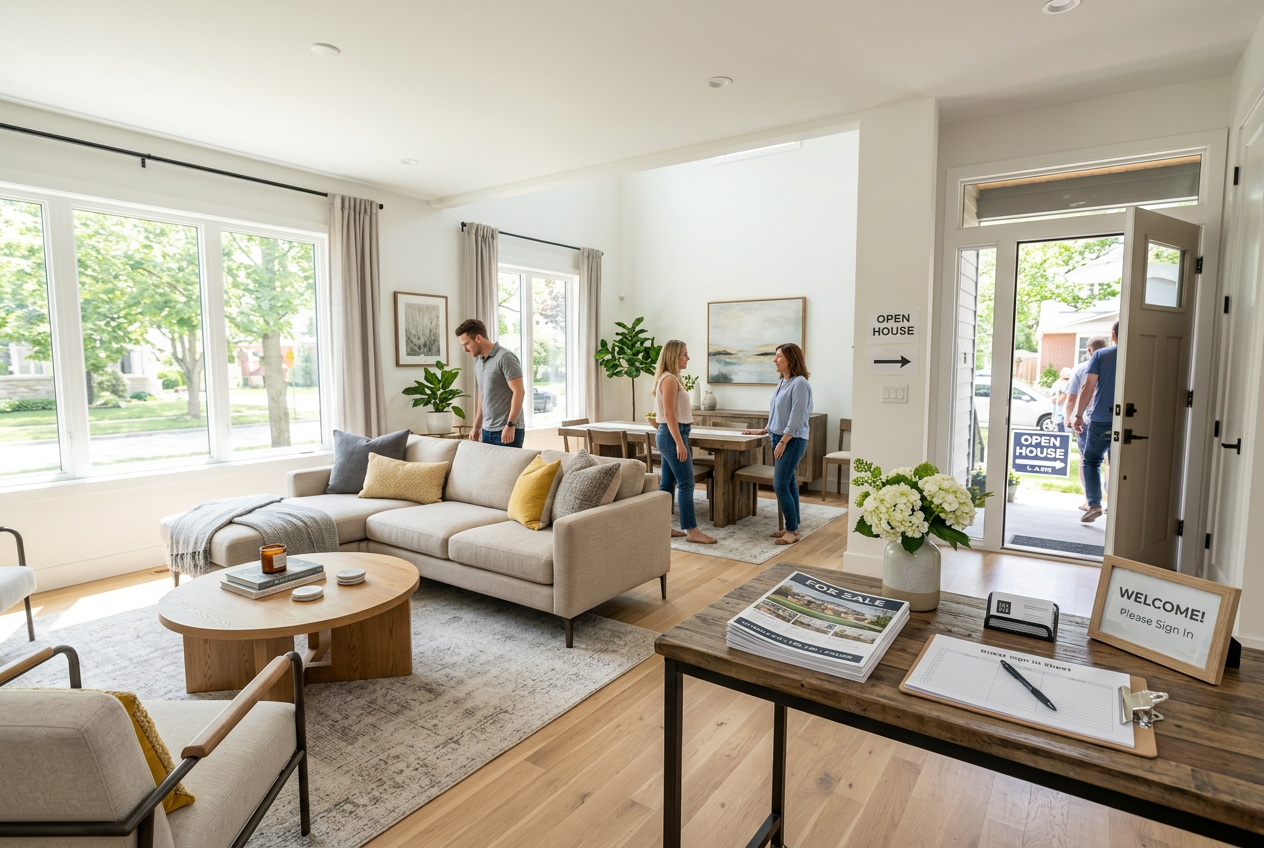
A quiet open house often signals a quiet listing. Attendance matters, but only if the right buyers show up. Promotion should prime expectations, reduce uncertainty, and create a reason to visit on that specific day.
Tactic: publish AI virtual staging images alongside the live photos. Empty rooms create doubt, and dated furniture distracts. Virtual staging helps buyers picture scale and function, and it gives ad platforms more scroll-stopping creative. Agents can use AI HomeDesign to generate multiple looks per room, then keep the most structurally faithful option for MLS.
Tactic: add a clear Disclosure to every virtually staged or edited visual. MLS Rules vary, but most require honest labeling and prohibit misrepresentation of fixed features. A safe baseline line for captions and flyers reads: Disclosure: “Image has been virtually staged and digitally enhanced.” Add a Virtually Staged Watermark on any image used for social posts when local rules require it.
Tactic: run paid social, not only organic posts. Organic reach rewards accounts, not listings. Paid targeting can narrow to a zip code, a commute band, or an interest set, then retarget anyone who watched the teaser video. Pair this with a simple content plan from social media for real estate.
Tactic: write an MLS description that sells the experience, not the facts. Facts belong in the data fields. The remarks should name the emotional hook, the best feature sequence, and the open house promise, such as “see how the home office fits a full desk setup.” Keep the tone plain and specific.
Tactic: send a segmented invite email instead of a blast. A first-time buyer list wants payment framing and layout clarity. A move-up list wants storage, school routes, and weekend flow. Segmenting avoids the “generic invite” problem and pulls in more qualified conversations.
Tactic: add a hyper-local neighbor invite with a clear role. Neighbors rarely buy, but they bring social proof and referral power. An invite that says “preview before the public hours” makes the neighbor feel included and creates visible activity when buyers arrive.
Tactic: coordinate a multi-home “destination block” with nearby listings. A single house competes with errands. A short walk of several open homes feels like an event and increases total buyer volume for every agent involved. A farming plan like real estate farming makes this repeatable.
Tactic: publish a short-form video teaser that follows the buyer path. Start at the curb, hit the signature feature, then end with the “decision space” like the kitchen island or primary suite. Use AI-staged before and after frames at the start to set expectations fast.
Buyer Psychology That Converts Browsers Into Buyers
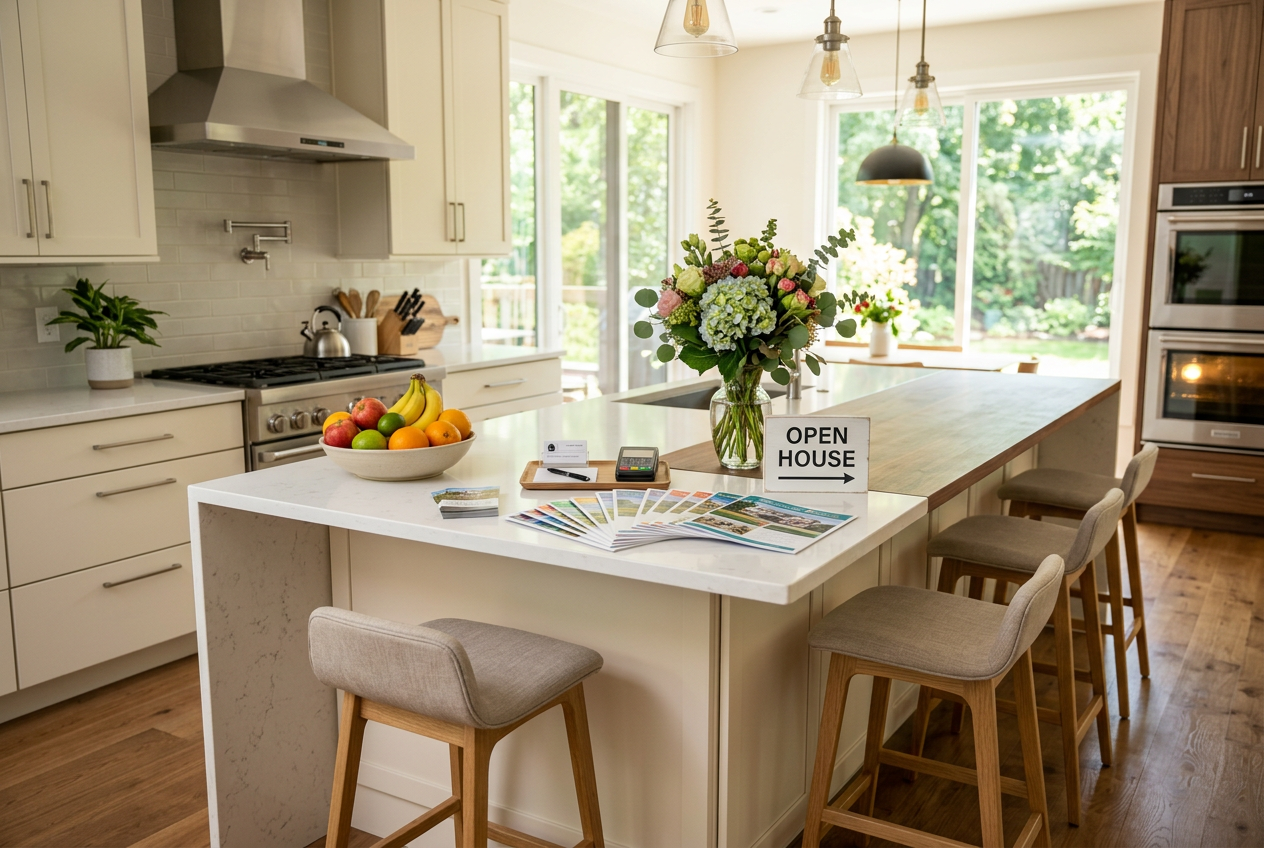
Buyers rarely describe decisions as emotional, but emotions drive attention and memory. A strong open house uses a few reliable psychology levers, then expresses them through simple, ethical tactics.
Scarcity and urgency: a limited window creates focus. A clear line such as “offers reviewed Sunday evening” reduces procrastination, even if competition stays light. The key is consistency. Agents should not invent competing offers or fake deadlines.
Social proof: visible participation signals desirability. A neighbor preview before public hours, a check-in flow that feels normal, and a consistent stream of arrivals all help. Even small cues matter, like a stack of take-home packets that implies others already picked one up.
Sensory anchoring: scent, sound, and temperature shape perceived comfort. Mild citrus or fresh-baked notes can anchor “clean and cared-for.” Soft background music reduces awkward silence and slows the walkthrough pace. Comfort creates longer dwell time, which creates more questions.
Loss aversion: buyers act faster to avoid losing a good fit than to “win” a deal. Framing helps. A short room card that says “rare pantry storage for this floor plan” makes the feature feel scarce without exaggeration.
Visual priming: online images set expectations for the in-person visit. If photos show bright rooms and a clear purpose for each space, buyers arrive ready to confirm. If photos feel dark or confusing, buyers arrive defensive. Guidance on imagery and perception lives in visual marketing and staging impact.
Day-Of Setup That Feels Like a Guided Experience
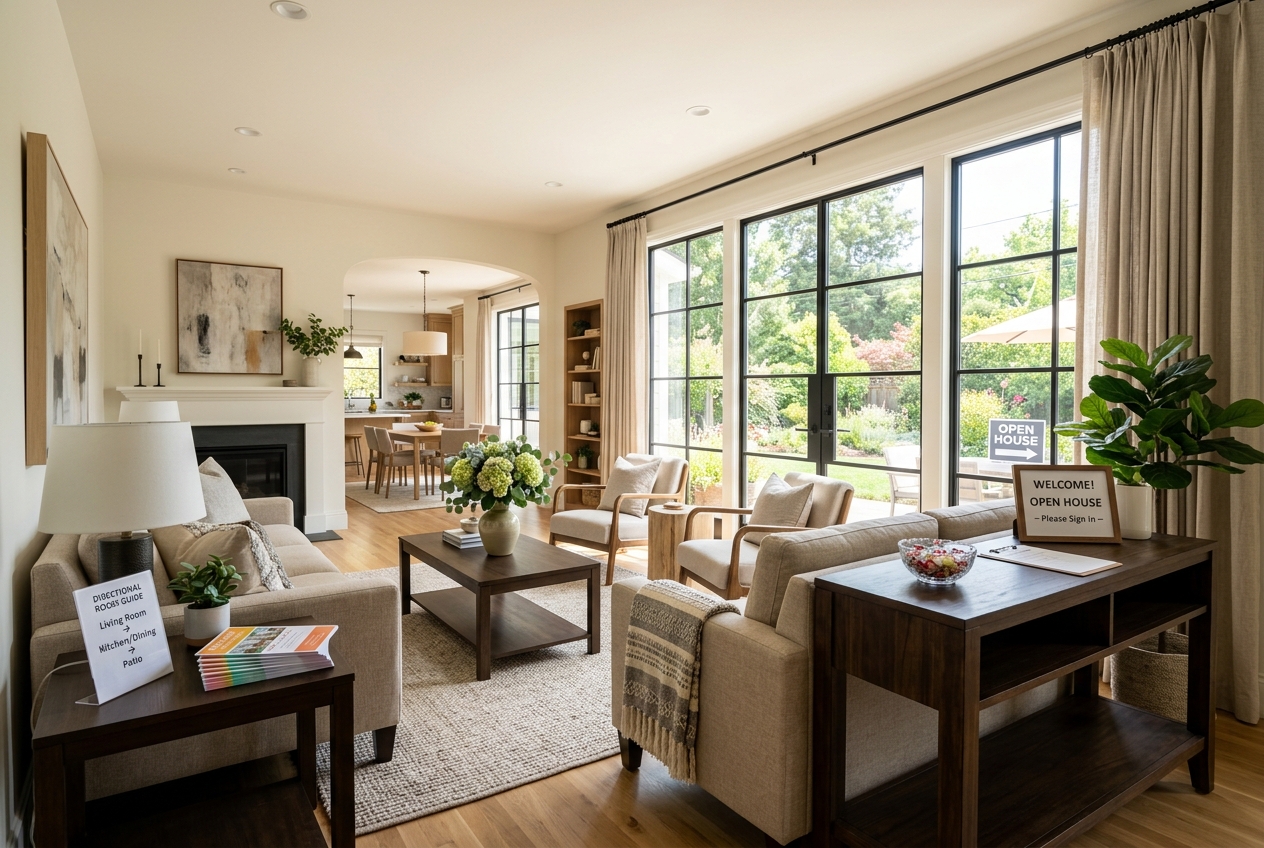
Open houses fail when visitors wander, miss the best features, and leave without a reason to talk. A guided experience still feels casual, but it quietly controls flow, reduces friction, and makes decision-making easier.
Tactic: place “real room, staged vision” boards in empty or awkward spaces. A simple foam board with a virtually staged photo and a one-line layout note turns confusion into clarity. It also keeps the buyer from mentally subtracting cost and hassle.
Tactic: tune lighting first, then scent, then sound. Swap harsh bulbs where possible and open blinds. Set a clean, mild scent at the entry. Add low music to soften echo. The goal is calm, not distraction.
Tactic: build a packet that answers questions before they get asked. Include floor plan, utility notes, major upgrades, a neighborhood map, and a QR link to the disclosure set. For photo quality and print readiness, follow a real estate photography guide.
Tactic: keep certain topics out of the packet on purpose. Packets should carry verifiable property facts and required disclosures. Agents should save pricing strategy, seller motivation, and offer guidance for a live conversation because context changes fast and misquotes create conflict.
Tactic: offer multilingual versions of the essentials. A translated one-page highlights sheet, a translated floor plan legend, and a translated “next steps” card often outperform a full translated packet. Buyers who feel respected ask more questions.
Tactic: build mobility-friendly paths without calling attention to it. Remove trip hazards, keep doors fully open, and create turn space in tight hallways. A clear path also helps families with strollers.
Tactic: use a QR sign-in that trades value for data. The QR should deliver the floor plan, the feature list, and a financing calculator link. Lead capture improves when the exchange feels fair and transparent.
Tactic: add room tent cards that highlight one decision trigger per space. A card that says “south light all afternoon” beats a paragraph. For dated finishes, pair the card with an AI-enhanced “possibility” image, then label it.
Tactic: include an on-site lender, but assign roles. The lender should sit at a small “financing desk,” not roam. Buyers should feel free to browse. Serious buyers can opt into a quick pre-qualification chat.
Tactic: create a quiet decision space. A small seating area away from the entry gives couples a place to talk. That pause often creates the first “should agents write an offer” question.
Themed And Seasonal Open House Concepts That Feel Intentional
A theme works when it supports the property story. A theme fails when it looks like a distraction. The safest approach uses light structure, clear timing, and a single reason the event feels special.
Twilight open house: hold a late-day showing with layered lighting and a calm beverage station. Warm lamps and interior light through windows create an aspirational feel that daytime light can miss. Agents should keep music quiet and avoid vendor clutter.
Spring garden walk: turn the backyard into the first stop, not the last. Add simple plant labels and a short “sun pattern” note. A local nursery gift card raffle can add interest without turning the event into a fair.
Holiday warmth without heavy decor: use subtle seasonal touches, not themed ornaments. A warm drink station and soft lighting can trigger “hosting” thoughts. Always avoid scents or decor that can irritate allergies.
Neighborhood lifestyle showcase: invite a single local business for a small pop-up, like coffee or flowers. The vendor should add neighborhood credibility, not block walkways. A printed “favorites list” can double as a useful giveaway.
Hybrid open house: run a short live stream at the start, then keep the rest in-person. Remote buyers get an overview and can book a private showing. The live content also creates a replay asset for mid-week follow-up.
Lead Capture And Open House Follow-Up Strategies That Convert
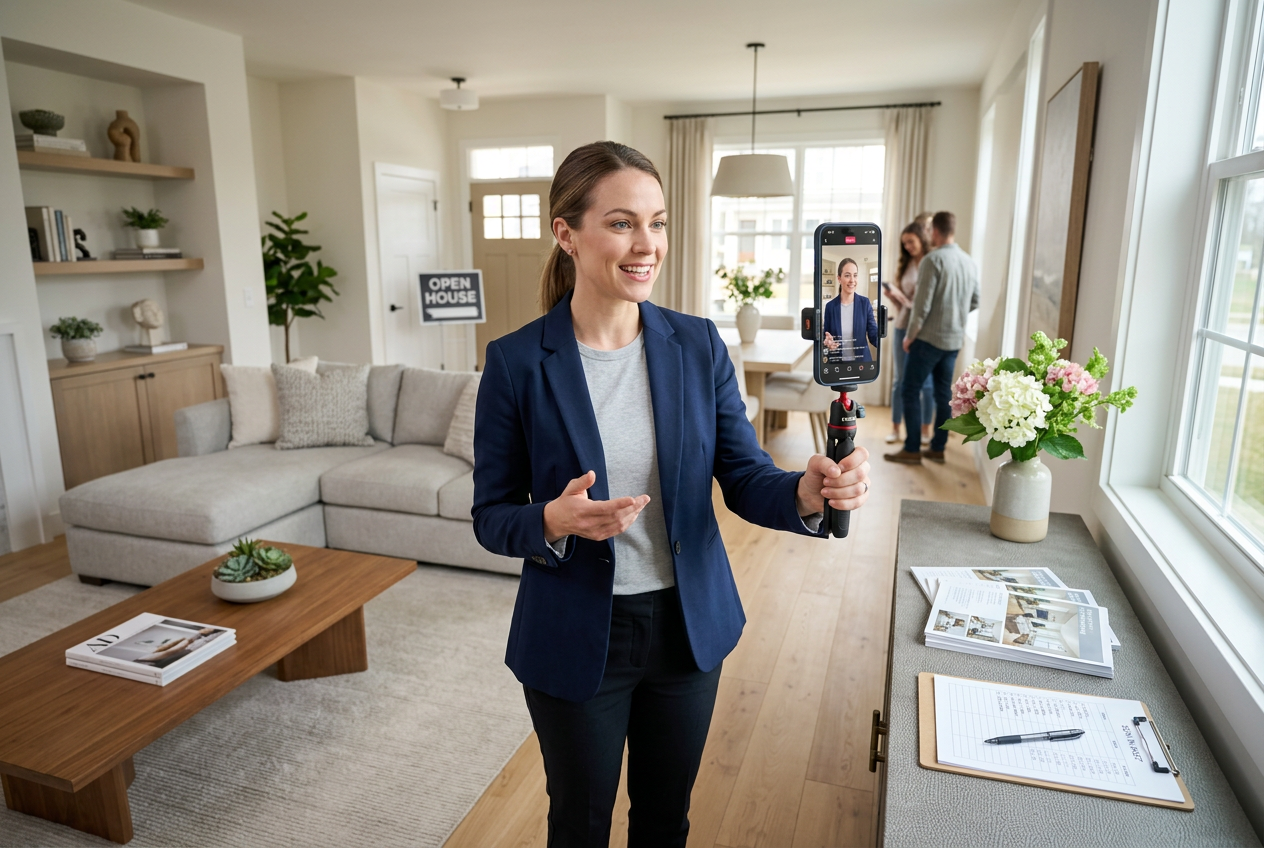
Most open houses lose value after the front door closes. Follow-up turns interest into the next appointment, and speed matters because buyers see other homes the same weekend.
Tactic: collect a small set of fields and keep it optional. Name, email, phone, buying timeline, and pre-approval status usually cover what agents need. Visitors who refuse should still receive a take-home packet without pressure.
Tactic: tag leads immediately after the event. “Hot” means the buyer asked process questions, discussed timing, or returned to a room. “Warm” means a full tour and basic questions. “Cold” means a quick pass-through. Tagging protects the follow-up schedule from guesswork.
Tactic: deliver the follow-up package within one day. Same-day follow-up wins attention, but “within one day” protects against late events and busy weekends. The package should include listing link, disclosures, a short video walkthrough, and a clear next step for a private showing.
Tactic: send a personalized video message to the hottest segment. A short clip that references a specific comment, such as the need for a home office, proves attention and invites a reply. Mass email often reads like a newsletter and gets ignored.
Tactic: keep commission and fee talk out of open house materials. Buyers rarely decide based on fee math during a walkthrough, and the topic can derail emotion and flow. Agents should follow brokerage policy and MLS Rules for any required compensation disclosures, then handle details in private.
Tactic: build a no-show loop. Anyone who registered but missed the event should receive the replay, key photos, and a clean invite to book a private showing. The tone should stay helpful, not guilt-based.
Measuring Open House ROI And Knowing When To Skip It
An open house can be judged like any other campaign. Inputs include visuals, promotion, and experience design. Outputs include qualified conversations, next appointments, and offers. Visitor count alone does not predict success.
A simple scorecard keeps the event honest. Agents can track volume, quality, and follow-through, then repeat what moved buyers forward. The same tracking also reveals when a different tactic, like private showings only, fits the listing better.
| Metric | What it measures | What to change if it is low |
|---|---|---|
| qualified conversations | buyer intent and fit | tighten targeting, add lender desk, improve room cues |
| lead capture rate | trust and value exchange | improve QR value, simplify fields, add packet pickup option |
| follow-up response | message relevance | segment harder, use video for hot leads, text for warm leads |
| private showing requests | conversion momentum | clarify next steps, reduce friction, add scheduling link |
| offer-quality signals | readiness and urgency | reinforce scarcity honestly, publish disclosures fast |
Several situations call for a modified plan instead of a standard public event. Tenant-occupied homes need privacy-first scheduling. Luxury listings may need invitation-only entry and security. Distressed properties often need safety controls and tighter visitor management. Rural properties may need longer showing windows and clearer mapping. Severe weather or poor access can shift the best effort to a hybrid event and private showings.
AI-enhanced visuals can still raise ROI even when an open house does not fit. Editing that corrects light, removes clutter, and adds a consistent look improves click quality, which improves inquiry quality. Practical methods for that workflow live in enhance your real estate listings.
Frequently Asked Questions
What is the most effective open house idea to attract serious buyers?
AI virtual staging paired with targeted promotion usually produces the highest leverage. Virtual staging helps serious buyers understand layout and scale before arriving, which filters out casual browsers. A short neighbor preview before public hours can add social proof and make the home feel “active” the moment the doors open.
How do I promote an open house on social media?
Short-form video works best when it shows the buyer path from curb to signature feature. Use AI-staged before and after frames as the hook, then run a small paid campaign to the listing zip code and nearby move-up areas. A countdown post and a day-of live clip can catch last-minute planners.
What should I have at an open house to impress buyers?
A clean flow matters more than flashy extras. Strong essentials include a floor plan, clear room cues, a QR code that delivers disclosures and key details, and a quiet space for decision talk. Multilingual highlights sheets and mobility-friendly paths signal respect and reduce friction for more visitors.
How do I follow up after an open house?
Leads should be tagged immediately as hot, warm, or cold based on behavior and questions. Hot leads respond best to a short personalized video message. Warm leads often prefer a text that links the listing and disclosure set. A call within the next day works well when it references a specific detail from the visit.
Does virtual staging help sell homes faster?
Virtual staging often helps because it reduces uncertainty. Buyers can picture furniture scale and room purpose before touring, which increases qualified attendance and follow-through. It also lets agents test multiple design directions for the same space, then align the open house experience to the look that resonates most.
What is a twilight open house and does it work?
A twilight open house runs in the early evening with layered interior lighting, calm music, and a simple refreshment setup. The atmosphere can make mid-range and luxury homes feel more aspirational, especially when window light and interior lamps work together. It works best when the event stays quiet and uncluttered.