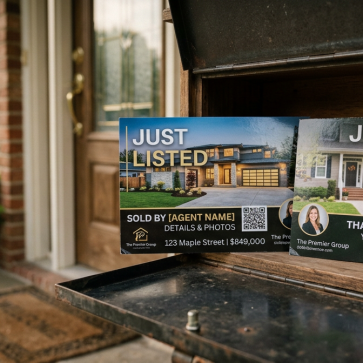
A listing presentation template can shape the tone of a seller appointment before the pricing conversation even begins. When the deck feels generic, too long, or disconnected from the seller’s actual concerns, it becomes harder to build trust.
A strong template gives the meeting structure. It keeps the conversation anchored to the things sellers actually care about: price, timing, marketing, and net proceeds.
This article explains how to build, customize, and use a listing presentation template for a stronger and more effective seller appointment process.
What to Prepare Before a Listing Presentation
A weak listing presentation usually shows its problems early. Thin prep makes the meeting feel generic, and pricing gets harder to defend once the questions start.
The template is only one part of the preparation. A working deck gives the presentation structure, but the real groundwork sits behind it: comparable sales, pending sales, days on market, local inventory, and a net sheet calculator that is ready before the meeting starts.
The deck also needs signs that it was built for this seller, not pulled from a saved file. A relevant bio, a professional headshot, and a few recent seller success stories help establish credibility early. Discovery notes matter just as much, since they shape the presentation around the seller’s priorities.
For vacant or dated properties, visuals can strengthen the setup further. Virtual staging is often useful when the home needs help on first impression or when the marketing plan depends on showing potential clearly.
Step 1: Send a Pre-Listing Package Before the Appointment
A pre-listing package helps before the meeting starts. Without it, too much time goes to background, credentials, and basic explanation.
The package does not need to be long. A short professional bio, a few recent success stories, a simple neighborhood snapshot, and a one-page agenda are usually enough. Its job is to make the appointment feel organized from the start.
That early preparation can also change the tone of the meeting. Instead of opening with a generic introduction, the conversation can move more quickly into the seller’s goals, concerns, and pricing expectations. In that sense, the pre-listing package is less about promotion and more about setting the meeting up well.
A short pre-listing package is usually enough:
- a short professional bio
- three to five recent success stories
- a neighborhood snapshot with current market context
- a one-page meeting agenda
Step 2: Customize the Template for the Property and the Seller

A template only helps when it no longer feels generic. If the deck looks generic, the meeting starts to feel generic too. Sellers notice quickly when the slides could have been used for any property in any neighborhood.
That is why the presentation should be tailored before the appointment begins. The cover slide should show the actual property, not a placeholder image. The market section should reflect the specific neighborhood, with current inventory, days on market, and recent pricing context. The marketing section should also reflect the seller’s priorities, whether the focus is timing, net proceeds, showing flexibility, or something else.
The same applies to the agent bio. A long general introduction is rarely the strongest choice. It usually works better to highlight the experience that feels most relevant to that property type, location, or seller situation.
Brokerage boilerplate often weakens the deck for the same reason. Long franchise slides may explain the brand, but they do not always explain why this particular approach fits this particular home. Specific slides usually do more work than polished generic ones.
Before the appointment, the deck should be reviewed slide by slide to make sure the property address is correct, the market context is local, the seller’s goals are reflected in the presentation, and anything overly generic has been removed.
Step 3: Start With Questions, Not Slides
One of the easiest ways to weaken a listing appointment is to start talking too soon. Opening with the deck may feel efficient, but it can also make the meeting feel fixed before the seller has said anything meaningful. A few discovery questions at the start usually create a better foundation for everything that follows.
The questions can stay simple. What matters is getting a clear read on motivation, timing, concerns, and expectations before the meeting moves into pricing or marketing.
A few early questions can help set the direction:
- What’s driving the decision to sell now?
- What’s the ideal closing timeline?
- What concerns matter most about the process?
- Have other agents already been interviewed?
- What matters most when choosing an agent?
- Is there a net number or price target that matters?
- Is the priority speed, stronger proceeds, or more certainty?
The answers shape the rest of the presentation. They change how pricing is framed, what kind of marketing plan makes sense, and which parts of the process need more explanation. A presentation usually feels stronger when it responds to what the seller has already said instead of running on a script that would sound the same in every house.
Step 4: Show a Marketing Plan That Fits the Property

Step 5: Present the CMA in a Way Sellers Can Follow
A Comparative Market Analysis (CMA) tends to lose its value when it turns into a long stack of numbers with no clear explanation. Most sellers do not need every data point. What matters more is understanding how the price range was reached and what the market is likely to support.
That is why the presentation usually works better when the pricing section is structured, selective, and easy to talk through. In most cases, that means starting with the local market context, then moving into the most relevant sold properties, current pending sales, and a realistic price range based on those comparisons.
The adjustment grid matters here because it shows how differences in square footage, condition, lot size, or updates affect the comparison. Without that step, the recommended number can feel arbitrary. With it, the pricing logic becomes easier to explain and easier to defend.
The same applies to market language. Terms like absorption rate may be useful, but only if they are translated into plain English. Pending sales also deserve special attention because they often show what buyers are willing to pay now, not what they were willing to pay several months ago.
A good CMA section makes the pricing logic easier to follow. The market does not need to be oversimplified, but the seller should be able to see how the number was reached.
Step 6: Show More Than One Pricing Scenario

A single price can narrow the conversation too quickly. Showing a few pricing paths gives the seller more context around timing, buyer interest, and expected proceeds. It also makes the discussion feel less like a single recommendation that has to be accepted on the spot.
A simple three-scenario structure is often enough. One option may sit above the likely market range and carry more risk of sitting longer. One may reflect a more balanced approach. Another may be positioned more competitively to support stronger early attention or multiple offers. The seller still makes the decision, but the trade-offs become easier to see.
A net sheet helps for the same reason. When estimated proceeds appear next to each scenario, the conversation becomes more concrete. Price stops being discussed in isolation, and the seller gets a clearer view of what each path may mean after fees and closing costs are taken into account.
This kind of pricing section usually works best when it stays calm, transparent, and easy to explain. A single number without context can feel thin. A clear comparison tends to give the discussion more shape.
Step 7: End With Clear Next Steps
By the last slide, the process should already feel easy to picture. A vague ending can leave the meeting feeling open when it should feel settled. That is why the final slide usually works better when it shows what happens next in practical terms.
In most cases, that means outlining the immediate steps after the agreement is signed. Professional photography, listing paperwork, marketing preparation, and launch timing are often enough to give the seller a clear sense of what comes next. The point is not to pressure the conversation. It is to make the process feel organized and ready to move.
The closing language matters too. A practical next-step question often works better than ending on something broad or passive. Asking about a photography date, timing preference, or scheduling detail keeps the conversation grounded in action rather than leaving it in a vague closing moment.
A strong ending should make the presentation feel complete. By that point, the seller should already understand the pricing logic, the marketing plan, and the process ahead. The final slide only needs to make the next step easy to follow.
Common Mistakes in a Listing Presentation
Even a well-designed template can fall flat if the meeting feels generic, overexplained, or poorly paced. The problem is usually not one major error. It is a series of smaller choices that make the meeting feel generic, unclear, or harder to trust.
Some of the most common mistakes include using a generic broker deck without adapting it to the property, arriving without enough preparation, and moving into the slides before the seller’s priorities have been discussed. Pricing can also become harder to follow when the CMA is overloaded with raw data or when only one number is presented without enough context around it.
The same pattern shows up in the marketing and closing sections. A generic marketing plan tends to feel interchangeable, especially when the property has clear presentation challenges that are never addressed. The ending can weaken the meeting too, especially when the presentation stops at a broad wrap-up instead of showing clear next steps.
A quick check before the meeting can help catch most of these issues:
- Is the deck clearly tailored to the property and neighborhood?
- Has the seller’s timeline or priority been reflected in the presentation?
- Does the pricing section explain the logic behind the range clearly?
- Are the marketing recommendations specific to the property?
- If the home is vacant or dated, are the visuals strong enough?
- Does the presentation end with practical next steps?
Any weak point in that list can make the meeting feel less clear and less prepared.
Final Thought
A strong listing presentation usually feels clear long before the meeting ends. The deck reflects the property, the pricing section explains the logic behind the range, and the next steps are easy to follow. That is often what makes the presentation feel credible in the room.
The template gives the meeting structure. What matters more is how carefully it has been prepared. When the slides are tailored to the seller, the market, and the property itself, the presentation becomes easier to follow and easier to trust.
The deck does not need to impress on its own. It needs to make the strategy feel specific and well thought through.
FAQs
How long should a listing presentation be?
Most effective presentations run 30 to 45 minutes. What matters more than slide count is whether the conversation stays clear, relevant, and easy to follow.
What should I include in a pre-listing package?
Send a professional biography, recent success stories, a preliminary market overview, and a meeting agenda 24 to 48 hours before the appointment.
How do I present a CMA without overwhelming the seller?
Use a narrative structure with an adjustment grid instead of raw data dumps. Highlight pending sales as the most current pricing signal and limit your comparable set to the most relevant properties.
What is an assumptive close in a listing presentation?
It’s ending the meeting by outlining concrete next steps, like scheduling photography, rather than asking if the seller wants to hire you.
How do I handle a seller who wants to price above market?
Show the pricing options side by side and explain what each one may mean for timing, buyer response, and possible price reductions.