Real estate photography trends in 2026 are moving toward warmer, more natural listing visuals. Buyers still need clear room views, but overly processed HDR, cold wide-angle galleries, and flat room-by-room photo sets can make listings feel generic.
The strongest listing visuals now combine technical quality with a more lived-in sense of space. That means cleaner lighting, better composition, realistic editing, short-form video, and AI-assisted workflows that still keep the property accurate.
This guide breaks down the visual shifts shaping real estate photography in 2026 and what agents, photographers, and marketing teams should adjust in their listing workflow.
Why Listing Visuals Are Changing in 2026

Buyers now compare listing photos with the polished interiors they see on social media, design platforms, and home renovation content. A basic room-by-room gallery may still show the property, but it often does not create enough interest on its own.
At the same time, buyers are more sensitive to over-edited images. Fake-looking skies, extreme wide-angle distortion, heavy HDR, and overly saturated colors can make a listing feel less trustworthy. The strongest visuals in 2026 are not just polished. They are polished while still feeling accurate.
That creates a new challenge for agents and photographers. Listing visuals need to be faster to produce, stronger across platforms, and realistic enough to protect buyer trust. AI editing, virtual staging, vertical video, and flambient lighting can all support that goal, but only when they are used with restraint.
The trends below reflect that balance: better presentation without visual exaggeration, faster workflows without losing human judgment, and more engaging listing content without making the property feel artificial.
Trend 1: AI-Driven Listing Packages Are Getting Smarter
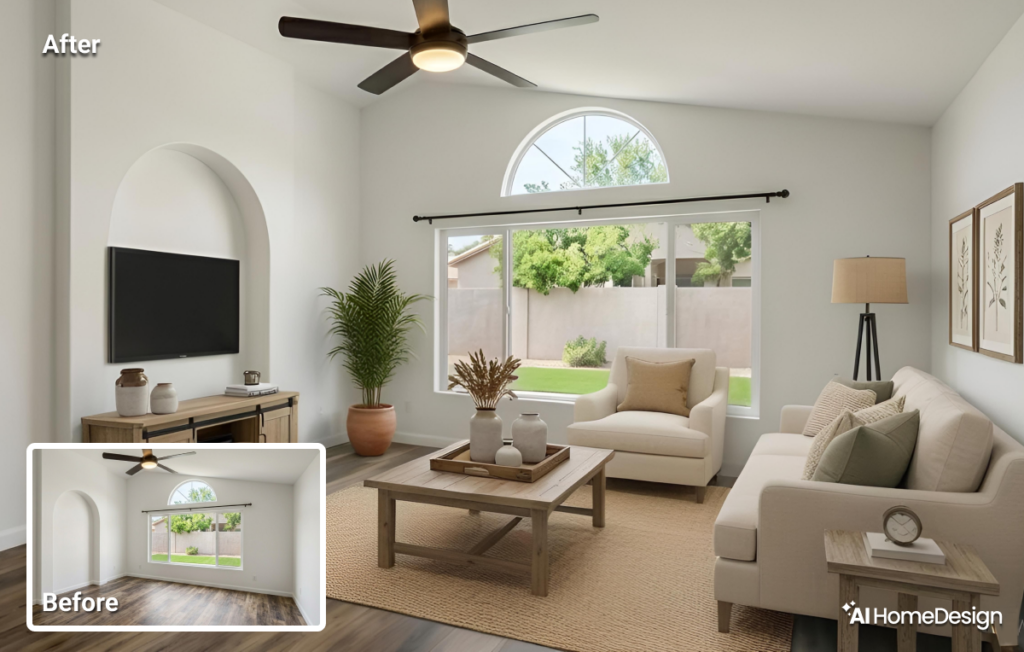
AI virtual staging is becoming a faster part of the listing-prep workflow. Instead of waiting days for physical staging or manual design revisions, agents can now generate staged room concepts, test different styles, and prepare stronger listing visuals much earlier in the marketing process.
This changes how listing packages are built. A vacant room photo can be staged, enhanced, resized, and adapted for different channels, from MLS galleries to social media previews. The workflow still needs review, but AI can reduce the time spent moving between photographers, editors, designers, and marketing teams.
Buyer-Profile Personalization
The next shift is more strategic: using visual style to match the likely buyer profile. A downtown condo may need a cleaner, more minimalist look. A suburban family home may work better with warmer furniture, softer textures, and practical room layouts. A luxury listing may need more refined styling and a stronger sense of finish.
This does not mean every buyer should see a different version of the same property. It means agents can use AI virtual staging to test which style best fits the listing, the market, and the audience before publishing. The strongest use of AI in 2026 is not just speed. It is better visual decision-making, with human review still guiding the final output.
Trend 2: Authentic Editing Is Becoming More Valuable
Buyers are becoming more sensitive to over-processed listing photos. Bowed ceilings, painted-looking skies, glowing colors, and stretched furniture can make a property feel less trustworthy before a showing even happens.
That does not mean listing photos should be unedited. It means editing needs to improve clarity without changing the property’s real condition. In 2026, the strongest listing visuals are clean, polished, and believable.
What Authentic Listing Photos Look Like
Authentic listing photos usually have accurate colors, natural-looking light, straight vertical lines, and realistic textures. Editing should make the image easier to understand, not make the room look larger, newer, brighter, or more finished than it is.
This is why heavy HDR, extreme wide-angle distortion, and fake-looking sky replacements are becoming easier to question. A good listing photo should still match what the buyer sees when they arrive at the property.
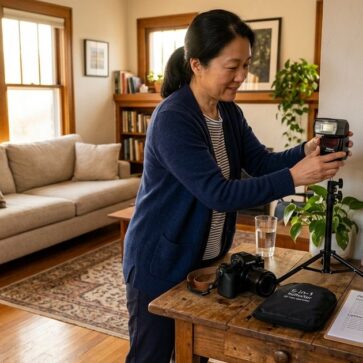
Flambient lighting can help with this balance. By blending ambient light with controlled flash, photographers can create brighter interiors without the over-processed look that comes from pushing shadows, highlights, or saturation too far.
Helpful Editing vs. Risky Editing
Not all editing creates the same level of risk. Basic real estate photo editing can correct exposure, white balance, contrast, vertical lines, and minor visual distractions. These edits usually support accuracy when they help the photo represent the property more clearly.
Riskier edits change what the property is or hide material details. That includes removing permanent damage, fabricating views, changing structural features, or presenting a room in a way that a buyer would not recognize in person.
MLS and brokerage rules add another layer. Agents should understand MLS rules for property listings before publishing edited or staged photos, especially when images include virtual staging, sky replacement, item removal, or other digital changes. The safest standard is simple: the final image should improve presentation without misleading buyers about the physical property.
Trend 3: Mobile-First Vertical Video Is Moving Into Listing Marketing
Many listing videos are still created horizontally and then cropped for social media later. That approach often weakens the final result. Important room details may get cut off, transitions feel awkward, and the video does not always fit how people watch content on mobile.
In 2026, more agents and photographers are planning vertical video from the start. Short clips for Instagram Reels, TikTok, YouTube Shorts, and Facebook can help turn listing visuals into faster, more platform-friendly content.
The First Few Seconds Matter
Vertical listing videos need to earn attention quickly. The opening shot should show something visually strong: a bright kitchen, a styled living room, a dramatic entryway, a pool area, or a strong exterior angle.
The goal is not to show every room in one short clip. It is to create enough interest for the viewer to tap, save, message, or visit the full listing. A short vertical video works best when it highlights the property’s strongest visual moments instead of trying to replace the full listing gallery.
Automated Video Creation
Automated video tools can now turn edited listing photos into short social videos. This gives agents a faster way to create motion content when a full video shoot is not practical.
These tools are especially useful for repurposing listing photos into social posts, teaser videos, open house promotions, and property highlights. They do not replace professional video for high-end listings, but they can make basic video marketing more accessible for everyday property campaigns.
The main shift is workflow-based: vertical video should no longer be treated as an afterthought. It should be planned alongside the photo set, staging choices, and listing launch content.
Trend 4: Story-Driven Photography Is Expanding Beyond Basic Room Documentation
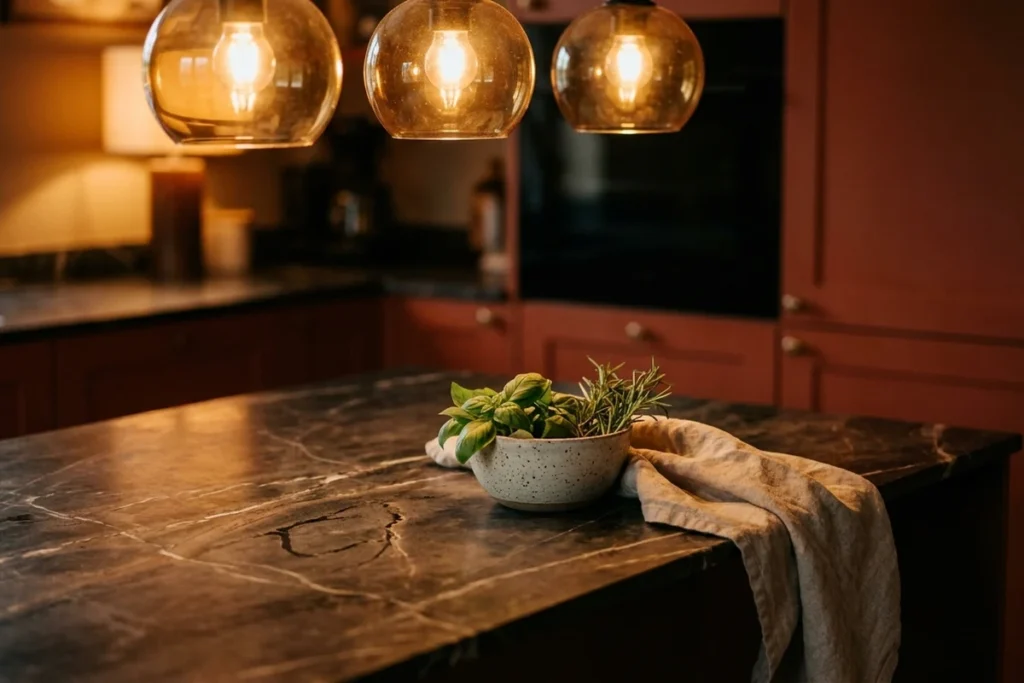
Many listing photo sets still follow a simple room-by-room pattern: living room, kitchen, bedroom, bathroom, exterior. That structure is useful, but on its own it may not create much emotional connection. In 2026, more listing visuals are moving beyond pure documentation and adding a stronger sense of mood, flow, and livability.
Changing Buyer Expectations
Buyers now compare listings with the styled interiors they see on design sites, renovation shows, and social media. That does not mean every property needs to look editorial, but it does mean buyers often respond more strongly to photos that feel inviting rather than purely functional.
A clean room still matters. So does clear documentation. The shift is that strong listing visuals now do both: they show the room accurately while also helping buyers imagine daily life in the space.
What a Story-Driven Shot Looks Like
A standard kitchen shot may show the appliances, cabinets, and layout clearly. A more story-driven version of the same kitchen may still show those features, but with softer light, a more thoughtful angle, and subtle styling that makes the room feel warmer and more lived in.
That does not mean adding misleading props or hiding the room behind décor. It means choosing framing, light, and composition that make the property easier to connect with emotionally while keeping the actual features visible.
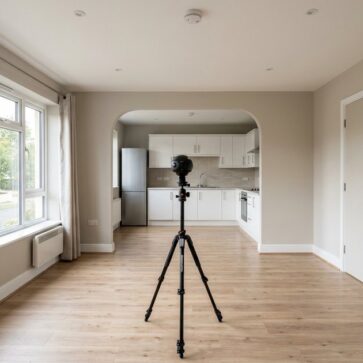
Choosing the best lens for real estate photography matters here. A more moderate wide-angle view can feel more natural for lifestyle-oriented shots, while an extreme wide angle may make the scene feel less intimate and more distorted.
Pairing Lifestyle Stills With Vertical Video
Lifestyle photography becomes more useful when it connects with short-form video. A styled still can also guide the video sequence. For example, a kitchen scene might begin with a close shot of natural light on the counter, move to a styled detail, then pull back to show the full space. That creates a more cohesive social post instead of a disconnected set of clips.
This approach works especially well when the photo and video plan are built together. Consistent lighting, styling, and framing help the listing feel more polished across both formats. Flambient techniques can also support this by keeping interior tones balanced and natural in stills, though video usually needs its own lighting approach and should not rely on heavy flash.
Practical Styling Guidance
Good lifestyle props should stay subtle. The safest choices are small, neutral, and easy to relate to. Fresh herbs, linen textiles, ceramic bowls, glassware, and simple books can all add warmth without taking attention away from the property.
Avoid anything branded, overly personal, or strongly seasonal. The goal is to suggest daily life in the space, not decorate the room so heavily that the listing starts to feel staged for a photoshoot.
Angle choice matters too. Eye-level or slightly lower framing often feels more natural and intimate for lifestyle scenes. Higher angles work better when the goal is to explain layout or show more of the room. In both cases, the image should support emotional connection without misrepresenting the property’s size, condition, or features.
Trend 5: Hybrid AI and Human Editing Workflows Are Growing
Fully automated editing can save time, but it still needs review. AI tools can handle repetitive corrections such as exposure balancing, sky cleanup, resizing, and basic object removal. The risk appears when a difficult image needs judgment: a reflection, a warped edge, an unrealistic sky, or a room detail that should not be changed.
That is why more real estate photo workflows are moving toward a hybrid model. AI handles the faster, repeatable tasks, while human editors review the final images and refine the most important shots.
Why the Human Layer Matters
Human review helps catch subtle issues that automated tools may miss. Mixed lighting, unusual reflections, furniture edges, window views, and material textures all need careful judgment. These details matter because listing photos have to look polished without misrepresenting the property.
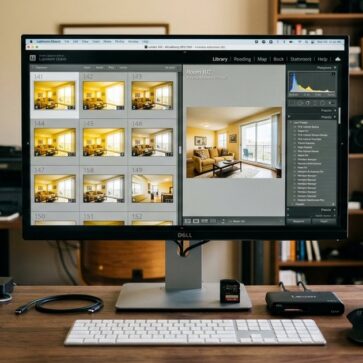
The benefit is not just quality control. A hybrid workflow can also speed up delivery by using AI for the first pass and human editors for the final review. For agents and photographers, that can mean faster listing preparation without giving up accuracy.
When evaluating outsourced editing services, agents should ask how the provider handles quality control. A strong workflow should explain where AI is used, where human review happens, and how final images are checked before delivery.
AI Efficiency vs. Buyer Trust: A Practical Framework
AI can make real estate photo workflows faster, but speed should not come at the cost of buyer trust. A staged room, enhanced exterior, or corrected image still needs to represent the property accurately. If buyers feel the photos promised something different from what they see in person, the edit has gone too far.
The best use of AI in listing visuals is practical and limited. It should improve presentation, reduce repetitive editing work, and help buyers understand the space more clearly. It should not hide material issues, fabricate permanent features, or make the property feel larger, newer, or more finished than it is.
Where AI Works Well
AI is useful for repeatable editing tasks and clear visual improvements. This includes exposure correction, color balancing, image resizing, basic enhancement, and virtual staging for vacant rooms.
These edits can support listing presentation when they are reviewed carefully and disclosed where required. The key is accuracy. The property should still feel recognizable when a buyer visits it in person.
Where Human Judgment Matters More
Human review becomes more important for hero shots, luxury listings, complex interiors, occupied rooms, and properties with distinctive architectural details. These images carry more weight because they shape the first impression of the listing.
A landmark mid-century home, for example, should not be styled with generic furniture that fights the character of the property.
A luxury exterior should not rely on an unrealistic sky that makes the image feel artificial. In these cases, human judgment protects both visual quality and buyer trust.
| Task | AI Appropriate? | Human Review Needed? |
|---|---|---|
| Vacant room staging | Yes | Yes, before publishing |
| Basic color correction | Yes | Light review |
| Sky replacement | Sometimes | Yes, especially for luxury or view-sensitive listings |
| Occupied-room editing | Limited | Strong review needed |
| Hero shots | Limited | Always |
| Luxury or architectural listings | Limited | Always |
The Authenticity Test
Use one simple test before publishing: would a buyer feel misled when they walk into the property?
If the edit improves clarity, lighting, or presentation while keeping the property accurate, it is usually safe. If it fabricates views, hides damage, changes permanent features, or makes a room look materially different from reality, it creates trust and compliance risk.
For a deeper look at emerging capabilities, generative ai in real estate photography ccovers where the technology is moving and what agents should monitor next.
What These Trends Mean for a 2026 Listing Strategy
Many listing photo packages still rely on the same formula: bright interiors, exterior shots, and a standard room-by-room gallery. That still documents the property, but it may not be enough to stand out across MLS, social media, and mobile-first listing platforms.
In 2026, stronger listing visuals need to do more than show the home. They should help buyers understand the layout, feel the mood of the space, and trust that the photos represent the property accurately.
For Agents: Build a Stronger Visual Package
A competitive visual package usually starts with clean, natural interior photos. Flambient lighting can help here because it balances window light, interior shadows, and room color without making the image look overly processed.
From there, agents can add short-form vertical video for social media and AI-staged versions of vacant rooms when needed. These additions are especially useful when the property needs stronger online presentation before buyers decide whether to book a showing.
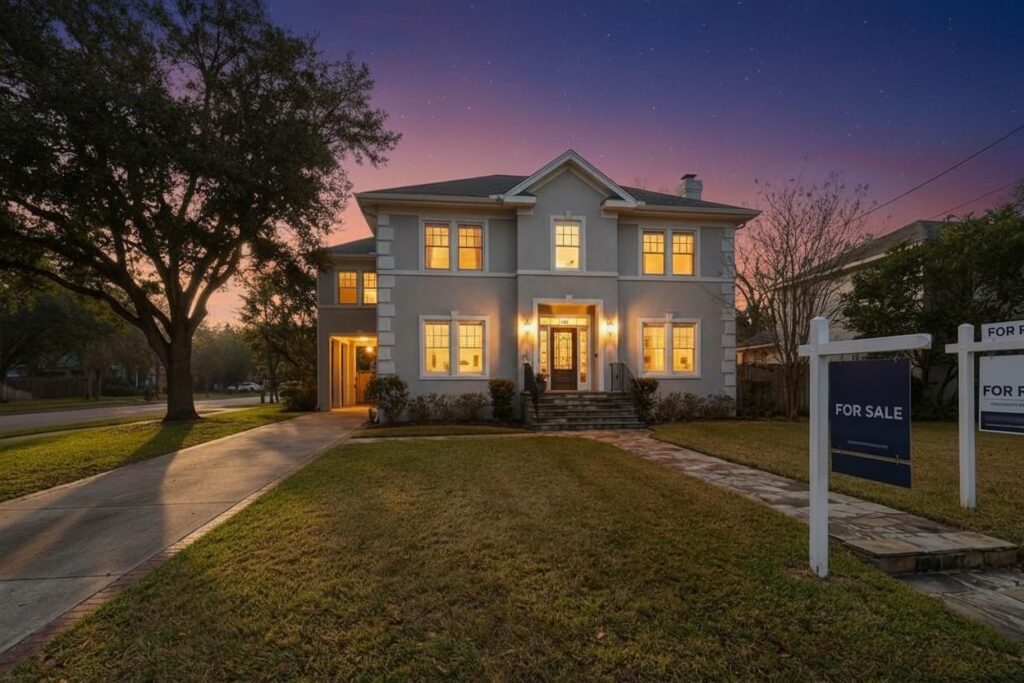
Day to dusk photography also deserves a place in the strategy. A well-edited twilight-style exterior can add warmth and curb appeal, especially for listings where the exterior or outdoor space matters. The key is to keep the result believable, not overly dramatic.
For Photographers: Differentiate Through Technique and Turnaround
Photographers can stand out by combining better capture techniques with faster editing workflows. Flambient lighting, careful composition, vertical video planning, and restrained editing all help create listing visuals that feel polished but still real.
Hybrid editing can also support turnaround. AI can handle repetitive tasks such as resizing, exposure balancing, and basic enhancement, while human review protects the final quality of hero shots, complex interiors, and luxury listings.
For Brokerages and Marketing Teams: Build Visual Consistency
Brokerages benefit from a repeatable visual standard across listings. That means consistent editing style, consistent video formats, clear staging rules, and a shared understanding of what counts as acceptable enhancement.
The goal is not to automate every visual decision. It is to create a system where each listing feels professional, accurate, and on-brand. For standard listings, AI-assisted workflows can save time. For luxury or architecturally distinctive properties, human judgment should stay closer to the center of the process.
Final Thought
Real estate photography in 2026 is moving toward a middle ground: faster AI-assisted workflows, but with stronger human judgment around accuracy, mood, and buyer trust. The strongest listing visuals are not the most automated or the most heavily edited. They are the ones that help buyers understand the property clearly and feel confident about what they are seeing.
For agents, that means adding visual assets that fit how buyers browse today: natural interior photos, short-form vertical video, and AI-staged versions of vacant rooms when appropriate. For photographers, it means improving capture technique, using AI for repeatable editing tasks, and keeping human review close to the final image.
Brokerages can support this shift by creating clearer visual standards across listings. Those standards should cover photo style, video formats, virtual staging disclosure, editing limits, and listing copy. Pairing stronger visuals with real estate listing description tips can also make the full listing package feel more consistent.
The goal is not to chase every new tool. It is to build a visual workflow that is fast, realistic, and trustworthy enough to help buyers take the next step.
FAQs
Does flambient lighting require expensive equipment?
No. Photographers can start with a basic flash or speedlight, a trigger, and a tripod. Flambient photography depends more on consistent capture and careful blending than on expensive lighting gear.
Are AI-staged listing photos allowed on the MLS?
Often, yes, but rules vary by MLS. Virtually staged images usually need clear disclosure, and some markets may require original photos to remain available. Agents and photographers should check local MLS and brokerage rules before publishing.
Is vertical video worth it for rural or lower-price-point listings?
It can be, especially when the video is made from existing listing photos. A simple vertical clip can support social promotion without adding a full video shoot. For tighter budgets, start with clean photos, basic styling, and one short property video.
Can automated photo-to-video tools create good Instagram content?
Yes, but the output depends on the quality of the original photos and the tool’s editing style. The biggest issue is often pacing, not resolution. Review the clip order, opening shot, and transitions before posting so the video feels intentional rather than automated.