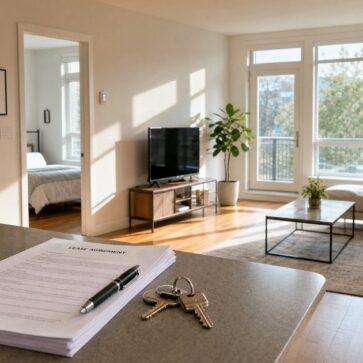
Room staging ideas do not need to be expensive to make a home feel more appealing. Decluttering, better lighting, neutral styling, and smarter furniture placement can change how buyers read a room before any major spending happens.
The right approach depends on the property. A compact studio may need fewer pieces and clearer zones. A family home may need better flow, calmer decor, and stronger focal points in the main rooms. Vacant properties may benefit from virtual staging when physical furniture rental is not practical.
This guide covers room staging ideas that work across different budgets, styles, and property types, from low-cost fixes to digital staging options for empty spaces.
Why Staging Works: The Numbers Every Seller Should Know

Buyers form impressions quickly. A listing photo may only get a few seconds before someone scrolls past or clicks through. Since the vast majority of buyers start their home search online, the way a room looks before photography matters.
Staging helps buyers understand the home faster. A clear living room, a calm bedroom, and a clean kitchen make it easier to read scale, layout, light, and function. That does not guarantee an offer, but it can reduce the friction that makes buyers hesitate.
Staging also helps the listing feel more complete. A cluttered or empty room asks buyers to do extra mental work. A well-staged room gives them a clearer idea of how the space could support daily life.
Which Rooms Matter Most
Staging works best when sellers focus on the rooms buyers care about most. The living room is usually the first priority, followed by the primary bedroom and the kitchen.
These rooms shape how buyers understand the rest of the home. Instead of spreading the budget thin across every space, sellers should concentrate effort where it can change the strongest first impression.
Staging does not have to be expensive to be useful. Decluttering, neutral paint, better lighting, and thoughtful furniture placement can improve how a room feels without a large budget.
Start for Free: Decluttering and Depersonalizing
Most sellers underestimate how much extra furniture and decor can shrink a room visually. Crowded surfaces, oversized pieces, stacked corners, and personal collections can make a space photograph smaller than it really is.
A good starting point is to remove anything that blocks light, interrupts walkways, or makes the room feel busy. Some sellers may remove a third of the furniture and decor. Others may need less. The goal is open sightlines, clear surfaces, and rooms that feel easier to understand.
Depersonalizing works the same way. Family photos, highly personal collections, bold taste-specific decor, and anything that strongly identifies the current owner can make it harder for buyers to imagine the home as theirs.
NAR’s staging research found that most buyers’ agents confirm staging helps buyers visualize a property as their future home. Decluttering and depersonalizing support that goal because they shift attention back to the room, not the seller’s belongings.
For a room-by-room breakdown, the home staging checklist: everything to do before your listing goes live covers which items to remove and in what order.
High-Impact Staging Techniques for Every Budget Tier
Staging does not have to start with a large budget. Many of the most useful changes come from editing what is already there, improving light, and making each room easier to understand.
Organizing staging work by budget helps sellers avoid overspending. Start with free fixes, then move to small upgrades only where they improve first impressions.
Tier 1: Free Fixes Using What You Already Have
Start with decluttering, depersonalizing, and rearranging furniture. These steps cost nothing but can make rooms feel larger, brighter, and easier to photograph.
Remove items that block windows, interrupt walkways, or make surfaces feel crowded. Open blinds, pull back heavy curtains, and arrange furniture so buyers can understand the room’s flow.
Tier 2: Small Swaps With Visible Impact
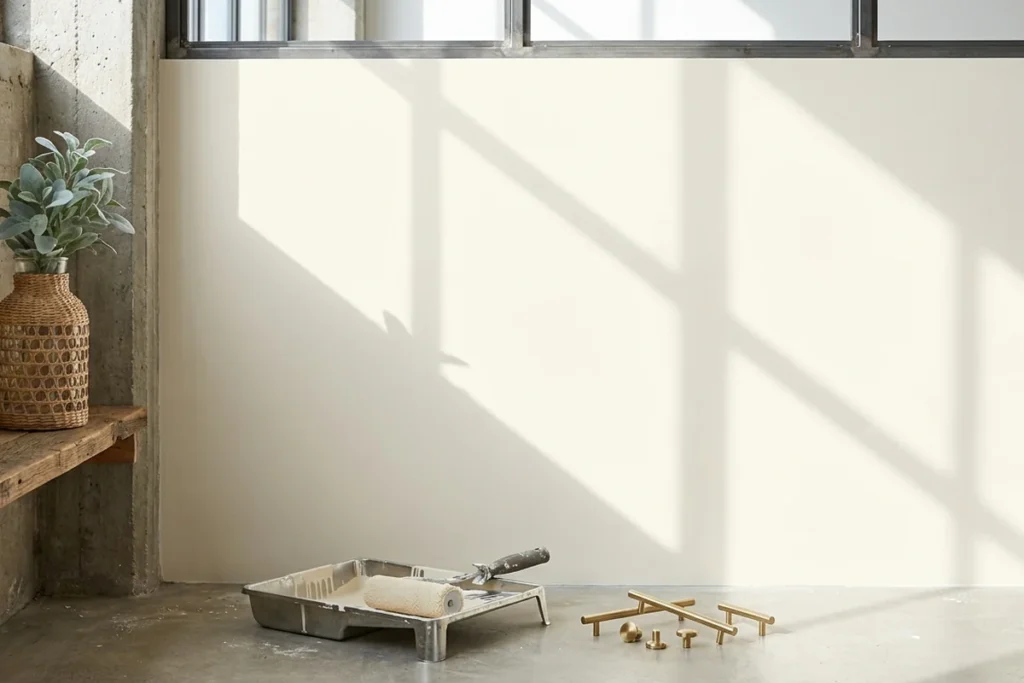
Small updates can change how a room feels without a full redesign. Fresh neutral paint, updated cabinet hardware, clean switch plates, simple lamps, and a few textured accessories can make kitchens, bathrooms, and living areas feel more current.
Keep the palette calm and broad. The goal is not to add personality. It is to help buyers focus on space, light, and condition.
Tier 3: Targeted Updates Before Listing
Some small repairs and fixture updates are worth considering before photos and showings. Replacing dated light fixtures, updating faucets, re-caulking bathrooms, refreshing grout, and adding an area rug can make key rooms feel cleaner and more maintained.
These updates work best when they solve visible friction. Sellers should avoid spending on changes that are too personal, too expensive, or unlikely to matter to the local buyer.
Tier 4: Professional or Digital Support
For higher-impact needs, sellers can consider a professional staging consultation, curb appeal help, or virtual staging for vacant rooms.
Virtual staging is especially useful when a home is empty and physical furniture rental is not practical. Sellers comparing options can review does virtual staging work? what real data shows to understand where it helps, where it does not, and how disclosure should be handled.
Across all tiers, the best staging choices share the same goal: make the home easier to read, easier to photograph, and easier for buyers to imagine as their own.
Staging Trends for Now: Warmth, Texture, and Natural Materials
Very stark rooms can feel cold in listing photos, especially when they have little texture or contrast. Current staging styles are moving toward warmer, more natural spaces: creamy off-whites, soft textiles, wood tones, woven accents, and simple greenery.
This does not mean every room needs a new design style. The goal is to make the space feel calm, comfortable, and easy to imagine living in. A few natural materials can soften a room without making it feel overly decorated.
Texture Layering on a Budget
Small texture changes can make a room feel warmer without a full refresh. A jute rug under existing furniture, a linen throw over a chair, or a ceramic bowl on a side table can add depth without much cost.
An outdated sofa can often be improved with a neutral slipcover, cleaner pillows, or a simple throw before replacement is considered. Thrift stores, yard sales, and local marketplaces can also be useful for finding baskets, trays, lamps, and small accent pieces that feel warmer than new, generic decor.
Plants can help too, but keep them simple. One healthy potted plant usually works better than several small accessories scattered around the room.
For sellers focused on bedroom presentation, bedroom design tips for property appealcan help apply the same ideas to bedding, lighting, scale, and calm styling.
Room-by-Room Staging Priorities: Where to Focus First
Trying to stage every room equally can spread the budget too thin. A better approach is to focus first on the rooms buyers notice most in photos and during showings.
Living Room: The First Impression That Sticks
The living room should usually be the first priority. NAR’s staging research found that 37% of buyers’ agents ranked the living room as the most important room to stage.
Furniture arrangement matters more than decoration here. Create a clear walking path, remove pieces that block flow, and keep the seating area easy to understand. A simple coffee table setup, such as a tray, two books, and a small plant, can anchor the room without adding clutter.
Open curtains fully and use mirrors carefully to reflect light. Avoid mirror angles that show clutter, awkward corners, or glare in listing photos.
Primary Bedroom: The Calm Retreat
The primary bedroom should feel calm, clean, and easy to imagine as a private retreat. Neutral bedding, a simple duvet, matching pillows, and warm bedside lighting can make the room feel more finished without a large budget.
Remove excess furniture, laundry baskets, personal photos, and anything that makes the room feel crowded. If possible, hang curtains higher than the window frame to make the room feel taller and more polished.
Kitchen: Restraint Over Decoration
Kitchen staging is mostly about subtraction. Clear the counters first: small appliances, paperwork, extra jars, and visual clutter should be removed before photos.
Then add back one simple element, such as a bowl of fruit, a small herb plant, or a clean cutting board. If the budget allows, updated cabinet hardware can also make the kitchen feel fresher without a full renovation.
Bathroom and Curb Appeal: Small Fixes That Show Care
Bathrooms respond well to small updates. Recaulk the tub, clean or refresh grout, replace worn towels with fresh neutral ones, and keep the vanity simple. These changes help the room feel cleaner and better maintained.
Outside, focus on visible curb appeal: fresh mulch, trimmed hedges, a clean walkway, a tidy entry, and a well-presented front door. Instead of saying landscaping delivers one of the highest ROIs unless you cite it directly, frame it as a low-cost way to improve first impressions.
When Rooms Are Empty
The same visual principles apply to empty rooms: light, scale, flow, and negative space. For sellers wondering how does virtual staging work, digital furniture placement should follow the same rules as physical staging. The furniture should fit the room, leave clear walkways, and help buyers understand the space without making it look larger or more finished than it is.
Virtual Staging: The Budget-Friendly Digital Alternative
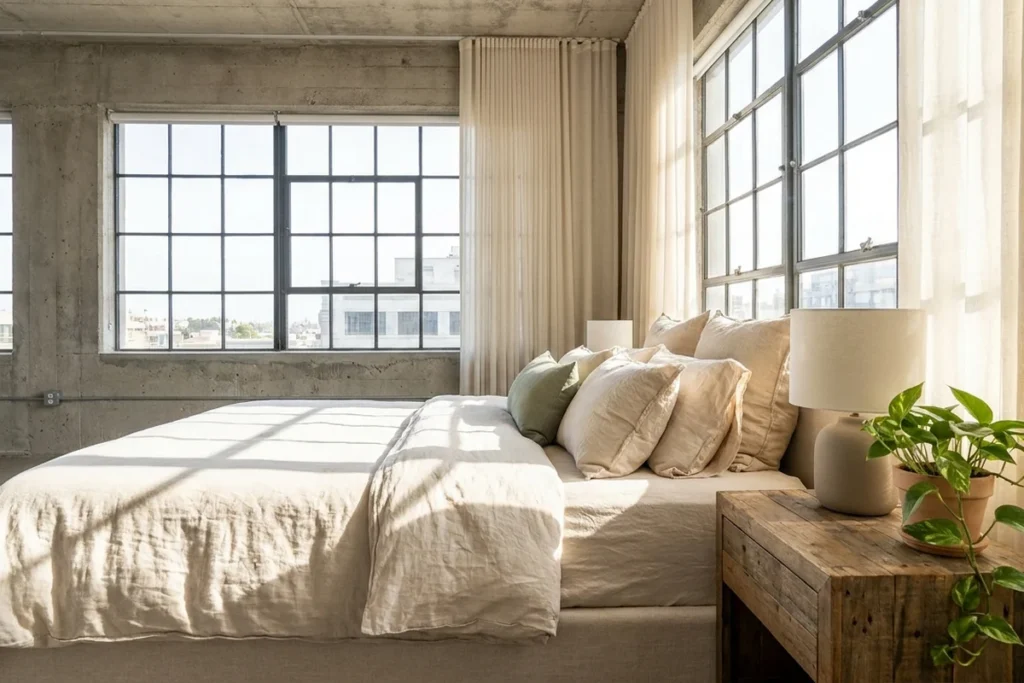
Empty rooms can be harder for buyers to understand online. Without furniture, it may be difficult to judge scale, flow, and how the space could function. That is where virtual staging can help, especially for vacant homes or sellers working with a limited staging budget.
Virtual staging means digitally adding furniture and decor to listing photos. It can make an empty room easier to read without renting, delivering, or arranging physical furniture. The result should still feel realistic, with furniture that fits the room and leaves natural walking space.
Best Use Cases and Limits
Virtual staging works best for vacant rooms, investment properties, remote sellers, and listings where physical staging is not practical. A digitally staged living room, bedroom, or dining area can help buyers understand how the space might be used before they decide to book a showing.
The limit is the in-person experience. Virtual staging improves the online gallery, but the actual home still needs to feel clean, bright, and well prepared during showings. Sellers should declutter, clean, fix visible issues, and make sure empty rooms do not feel neglected when buyers arrive.
Virtual staging also needs clear disclosure where MLS, platform, or brokerage rules require it. The goal is to help buyers understand the space, not surprise them at the showing.
Real estate photo editing pairs naturally with virtual staging because it can improve lighting, color balance, and overall image clarity. For exterior photos, a day to dusk edit can also help create a warmer first impression when the original daytime image feels flat.
When Staging Has Limits: Situations Where It Will Not Move the Needle
Staging can improve presentation, but it cannot fix the underlying condition of a home. Furniture placement, neutral decor, and better lighting will not resolve structural problems, severe water damage, roof issues, or outdated electrical systems. Buyers and inspectors will still notice those concerns.
In those cases, sellers should address the real issue first or price the home honestly around its condition. Staging can support a listing, but it should not be used to distract from defects that affect safety, function, or value.
Very Strong Seller’s Markets
In a market with very low inventory and strong demand, heavy staging may not change the outcome much. If similar homes are already receiving quick offers, sellers may get more value from basic preparation: cleaning, decluttering, lighting, and strong photography.
That does not mean presentation should be ignored. It means the staging budget should match the market reality.
Overpriced Listings and Teardowns
Staging cannot solve an unrealistic price. If the asking price is far above comparable sales, buyers may still hesitate even when the home looks polished.
Teardown and land-value properties are different too. Buyers may care more about the lot, zoning, location, or redevelopment potential than the existing interiors. For these properties, basic cleaning, clear photos, and accurate pricing usually matter more than full staging.
The practical rule is simple: use staging to improve presentation, not to cover problems that buyers will discover later.
Final Thought
Free actions often make the biggest first difference. Decluttering, depersonalizing, rearranging furniture, improving light, and clearing surfaces can make rooms feel larger, calmer, and easier to photograph.
Room priority matters too. Focus first on the living room, primary bedroom, and kitchen. These spaces usually shape the strongest buyer impression. Bathrooms and curb appeal can follow with small, visible updates such as fresh towels, cleaner grout, better lighting, trimmed landscaping, and a tidy entry.
For vacant or partly furnished homes, virtual staging can be a practical middle path. It helps buyers understand room scale and layout in online photos without the cost or logistics of full physical staging. Sellers comparing tools can review the best virtual staging software for real estate before choosing a platform that fits the property type and budget.
The best timing is before photography, not after the listing goes live. Walk each room with fresh eyes, remove anything that competes for attention, fix the visible friction, and prepare the home before the photographer arrives. That is where staging does its real work.
FAQs
Can a seller stage effectively while still living in the home?
Yes. Occupied staging is common. The main task is editing what is already there: remove personal items, reduce clutter, rearrange furniture, and keep the home photo-ready during the listing period.
Does virtual staging need to be disclosed in MLS listings?
Usually, yes, but rules vary by MLS and market. Virtually staged images should be clearly labeled where required. Agents should check local MLS, brokerage, and state rules before publishing digitally staged photos.
Is staging useful for rental properties too?
Yes. Rental staging can help show scale, layout, and livability, especially in competitive markets. For vacant rentals, virtual staging can be a practical option because it improves listing photos without physically furnishing the unit.
How far before listing photos should staging be finished?
Ideally, staging should be complete a few days before the shoot. That gives sellers time to fix small issues, adjust furniture, clean surfaces, and check how rooms photograph. A final walkthrough on shoot day can catch last-minute clutter or lighting problems.