Real Estate Photographers in Atlanta: Directory & Pricing
Real estate photographers in Atlanta: learn what to look for, typical turnaround, and pricing factors for photos, drone, twilight, and 3D tours.
Search results for real estate photography atlanta often mix true specialists with general photographers. That matters, because a real estate photographer Atlanta agents trust does more than show pretty rooms. The work needs straight lines, clean color, and a consistent look across an entire listing.
Atlanta also forces fast decisions. A photoshoot that lands late, or arrives in the wrong sizes for MLS and portals, can push back the entire launch. This guide explains what quality looks like, which add-ons actually help in common Atlanta scenarios, and how to build a shortlist while verified local listings are being added.
What it costs
Typical local rates. Most studios bundle these into packages.
Why Professional Photos Matter for Real Estate Photography Atlanta Listings
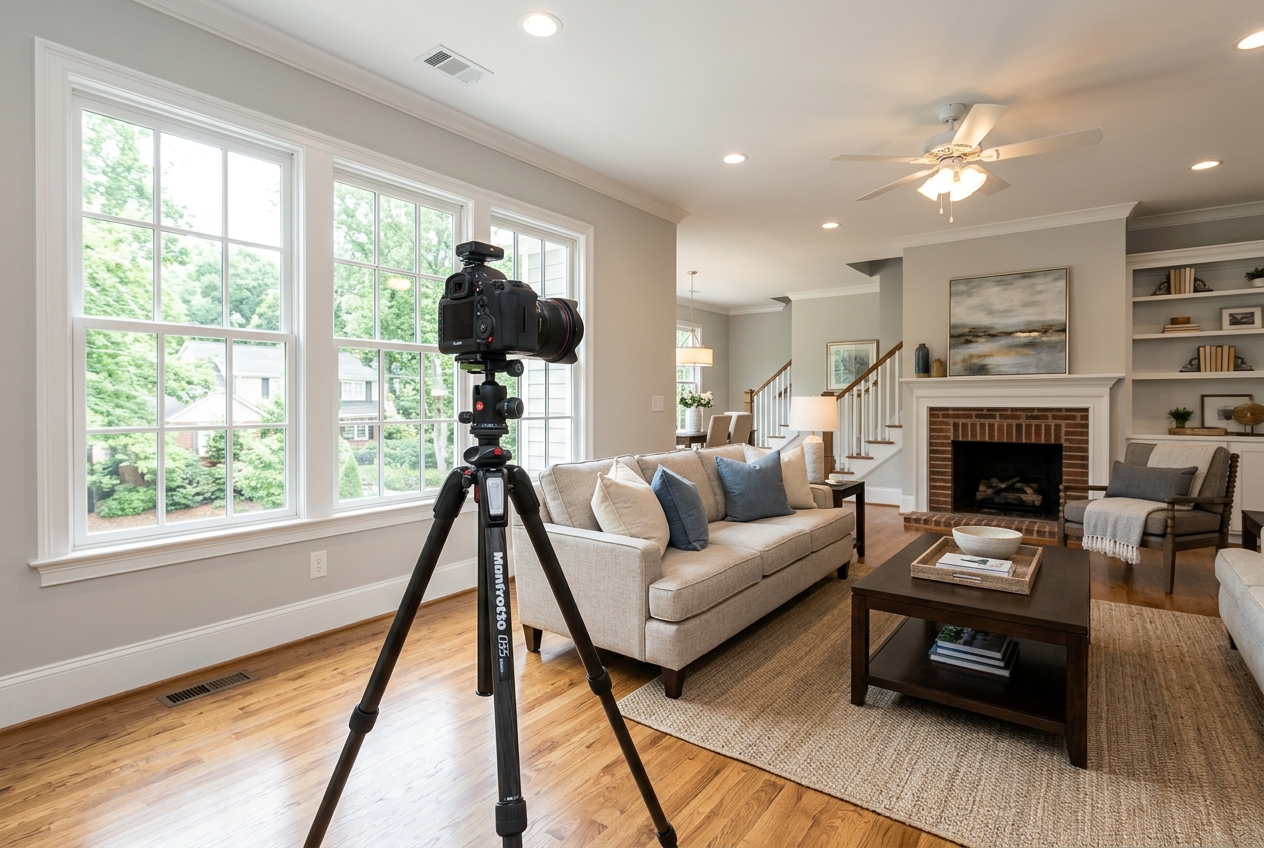
Buyers make decisions with a scroll. A listing can sit next to ten near-identical options in Midtown condos, Decatur bungalows, or new builds in the northern suburbs. Dark interiors, tilted vertical lines, and blown-out windows do not just look “off.” They signal neglect, even when the home shows well in person.
Professional work solves a specific problem: mixed lighting in tight spaces. Atlanta homes often combine warm interior bulbs, cool daylight, and shaded porches in the same frame. A specialist balances that light, holds detail in the windows, and keeps colors believable.
The other value is consistency. A full photo set should read as one story, not a batch of unrelated pictures. Consistency helps buyers understand flow, room size, and the relationship between indoor and outdoor spaces.
Quality photos also reduce friction during showings. Clear images set accurate expectations. That can cut down on “wrong fit” tours and help serious buyers arrive ready to decide.
What to Look for When Hiring a Real Estate Photographer
A strong portfolio can still hide weak fundamentals. The fastest way to vet a shooter is to zoom in and check three technical signals: straight vertical lines, natural window light, and clean edges with no stretched wide-angle distortion.
Verticals matter more than most agents think. Door frames, cabinets, and window trim should stand straight, especially in condos and renovated intown homes with crisp lines. Crooked verticals make even a high-end space feel cheap.
Lighting style also shows experience. Many real estate photographers use HDR blending, flambient technique, or a mix depending on the room. The best portfolios show controlled highlights, even ceilings, and color that matches real paint and wood tones.
Delivery and communication belong in the vetting, not after the shoot. A practical booking call covers file sizes for MLS and portals, crop orientation for social, a clear turnaround promise, and how revisions work. A broader view of what “good” looks like across markets also helps, including the Real Estate Photographers by City directory and these foundational real estate photography tips for common portfolio red flags.
Specialties That Matter and When to Pay for Them
Most listings need a clean core set first. That usually means bright, wide, undistorted interiors, plus exteriors that show roofline, landscaping, and driveway approach. After that, add-ons should match the home’s real selling points, not a generic package.
Drone work earns its keep when location sells the property. Larger lots, long driveways, pool settings, proximity to parks, or skyline context can justify aerials. Drone also helps for some suburban inventory where curb appeal competes across similar floor plans.
Twilight photos fit a narrower slice. They work best when outdoor lighting is a feature, or when the home reads as luxury and the front elevation looks strong. A twilight add-on rarely fixes a weak daytime exterior.
3D tours and measured floor plans also depend on the buyer. Higher-end listings, relocation buyers, and investors can benefit because the tour answers layout questions before a showing. Teams comparing how these choices land in other metros can scan guides like real estate photographers in Los Angeles and real estate photographers in Miami to see how specialty mixes change by market.
Real Estate Photographers in Atlanta
Verified Atlanta listings are being added. Until the directory is populated, this section focuses on a repeatable way to build a shortlist from search, referrals, and local Facebook groups, then vet each option fast.
Start by screening for real estate focus. The portfolio should show multiple full homes, not a few hero shots mixed into weddings or portraits. Next, look for consistency across different lighting situations: bright kitchens, shaded living rooms, and bathrooms with mixed color temperatures.
Then read reviews with a filter. The most useful reviews mention timeliness, communication, and how the photographer handled a tough space. Vague praise matters less than specifics like “delivered the next morning,” “fixed verticals,” or “matched the on-site look.”
How to Choose the Right Photographer and What to Expect
Turnaround is a make-or-break detail for Atlanta listing timelines. Many teams plan around a 24 to 48 hour delivery window for edited stills, then build the launch calendar backward from that date. A booking agreement can spell out what counts as “delivered,” such as MLS-sized files plus high-resolution files for brochures and portals.
Pricing varies widely by scope, property size, and add-ons. A useful way to budget is to separate the base photo package from optional upgrades. Drone, twilight, floor plans, and 3D tours each add time on site and time in post. A quote that bundles everything can hide what the listing actually needs.
Editing also deserves a direct conversation. Many photographers include standard correction, while deeper work can move to a separate workflow. Some teams use professional real estate photo editing for consistent color and exposure across multiple listings, and some also add AI Virtual Staging or Image Enhancement in AI HomeDesign when a vacant room needs a quick, clearly disclosed visual.
Disclosure and MLS Rules vary, so teams should confirm local requirements before posting edited images. A practical default label is simple and plain: “Virtually staged” or “AI-enhanced image.” If a platform supports it, a Virtually Staged Watermark can reduce confusion.
A Simple Booking Script for Atlanta Listings
A good call saves time on both sides. It also prevents the most common failure: a great shoot with deliverables that do not match the marketing plan.
This approach keeps the photography budget tied to the listing’s strategy, not a one-size package.
Frequently Asked Questions
How much does a real estate photographer cost in Atlanta?
Pricing depends on the scope of the shoot, the home’s size, and add-ons like drone, twilight, floor plans, or a 3D tour. Many photographers quote a base package for still photos, then list optional upgrades. The cleanest way to compare is to ask for an itemized quote and confirm what retouching is included.
How quickly should listing photos come back?
Many Atlanta teams plan for a 24 to 48 hour turnaround for edited still photos, since listing timelines move fast. Some photographers offer rush delivery for an added fee, but that varies. The key is to confirm the exact delivery time in writing before booking, not after the shoot.
Do drone photos help most Atlanta listings?
Drone photos help when location, lot size, or approach matters, such as homes with long driveways, wooded settings, pools, or views. They can also help show proximity to parks or nearby amenities. For a typical street-level home where the front elevation carries the story, strong ground shots often do the job.
When does a Matterport or 3D tour make sense?
3D tours can help higher-end listings, relocation buyers, and investors who want to understand layout before booking a showing. They also reduce repetitive questions about flow and room connections. If the home’s main value sits in finishes rather than layout, still photos may deliver most of the benefit.
Can AI Virtual Staging replace hiring a local photographer?
AI Virtual Staging works best as a complement to strong source photos, not a substitute for them. Good composition, straight lines, and clean lighting still start on site. Virtual staging or AI enhancement can help a vacant room feel livable, but listings still need accurate, well-shot images and clear disclosure labels.