Most buyers see a property online before they ever visit it, so agents need to understand the MLS rules for real estate listings. If a listing uses inaccurate details, misleading photos, unclear disclosures, or prohibited edits, it can be flagged, corrected, removed, or penalized.
MLS rules help keep listing data accurate, consistent, and useful for buyers, sellers, agents, and brokerages. They shape how property details are entered, how photos are used, how virtual staging is disclosed, and how descriptions are written.
This guide focuses on the practical rules agents need to know before publishing a listing. The goal is simple: keep listings clear, compliant, and active without slowing down the marketing process.
How MLS Rules Shape a Listing
MLS platforms organize property information in a standard structure so buyers, agents, and brokers can compare listings more easily. That structure also helps MLS reviewers identify missing, inconsistent, or inaccurate details.
Most listing compliance issues appear in three areas:
- Photos: Images should represent the property accurately and follow local rules for edits, virtual staging, watermarks, and media use.
- Property features: Fields such as bedrooms, bathrooms, square footage, lot size, parking, and amenities should match reliable property information.
- Property description: Copy should be clear, accurate, and free from misleading claims or unsupported details.
The specific rules vary by MLS, but the core principles are similar: accuracy, transparency, and clarity. A compliant listing should help buyers understand what the property actually offers without confusion or exaggeration.
MLS Photo Rules: What Agents Must Follow
Agents should usually:
- Upload clear, current photos of the property.
- Include enough images to show the main rooms and exterior.
- Use a front exterior photo where the MLS or brokerage requires it.
- Keep photos free of people, branding, logos, and promotional text.
- Label edited or virtually staged images when required.
- Follow the MLS file format, size, and upload requirements.
These steps reflect common MLS rules for real estate listings and reduce the risk of delays, corrections, or rejected media.
What to Avoid
Agents should avoid:
- Leaving out important rooms or property areas.
- Changing permanent fixtures such as cabinets, flooring, lighting, or built-ins.
- Adding logos, watermarks, phone numbers, or promotional text.
- Distorting room proportions or making spaces look larger than they are.
- Adding property features, views, landscaping, or amenities that do not exist.
- Removing visible defects or conditions that affect how buyers understand the property.
A polished image can help a listing perform better online, but accuracy comes first. MLS photo rules are not just about making images look professional. They are about making sure the visual presentation matches the property buyers will actually see.
Photo Editing and Enhancement: Where the Line Is Drawn
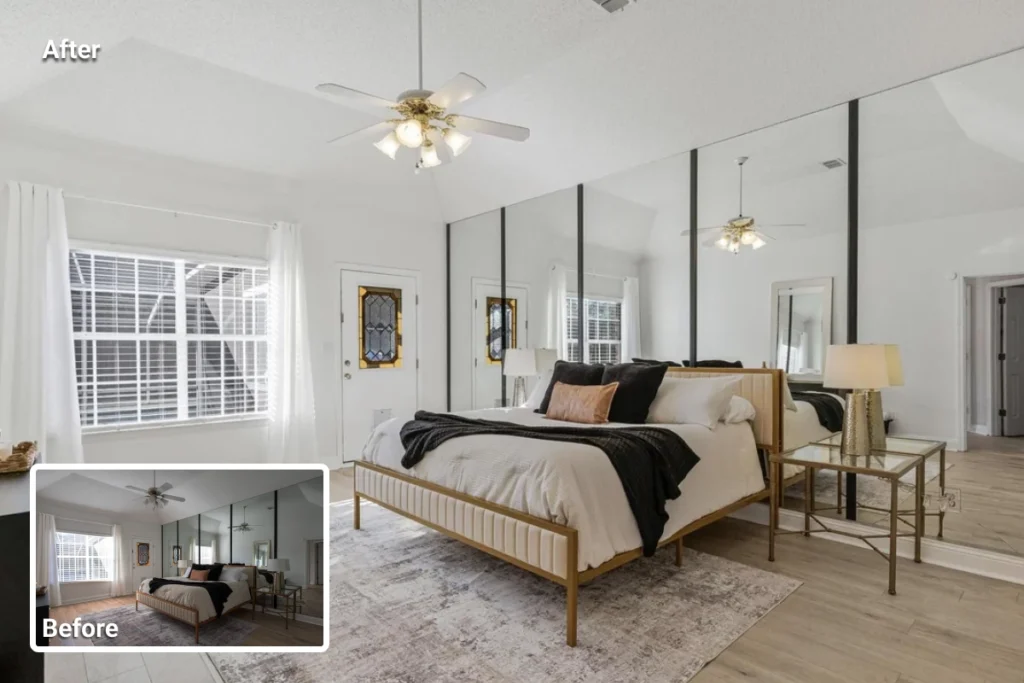
Photo editing can improve clarity, especially in rooms with uneven lighting, color casts, tilted lines, or dark corners. The safe standard is simple: improve how clearly the property appears without changing what the property is.
Commonly Acceptable Edits
Agents can usually use basic edits such as:
- Brightness and exposure adjustment
- Color correction
- Straightening vertical lines
- Light cropping
- Lens correction
- Noise reduction
- Sharpening
These edits support clearer presentation without changing the property’s features.
Edits That Can Cause Violations
Agents should be careful with edits that change or hide property facts, such as:
- Changing flooring, wall color, or finishes
- Removing built-in structures or permanent fixtures
- Hiding cracks, stains, damage, or view obstructions
- Adding design elements, landscaping, appliances, or amenities that do not exist
- Making rooms look larger than they are
Good real estate photo editing should clean up the image, not rewrite the property. The goal is to make the listing easier to understand while keeping the home’s condition, layout, and features accurate.
Add Your Heading Text Here

Virtual staging and day-to-dusk editing can improve listing presentation, but both require care. These edits should help buyers understand the property, not create a version of the home that does not exist.
Virtual staging has become more common as agents look for faster and more flexible alternatives to physical staging. Current virtual staging statistics show why many teams use it, but MLS compliance still depends on accuracy and disclosure.
Day-to-dusk editing is also common for exterior images because it can make a front photo feel warmer and more polished. The edit should improve lighting and atmosphere without changing the property’s condition, surroundings, or permanent features.
Virtual Staging
Virtual staging adds furniture and decor to empty or under-furnished rooms to show possible layout and use. Many MLSs allow virtually staged images when they are clearly labeled and the room’s structure, condition, and finishes remain accurate.
Usually acceptable:
- Adding furniture to empty rooms
- Showing possible room layout
- Using decor to suggest scale and function
- Labeling the image as virtually staged where required
Risky or not allowed:
- Hiding damage or defects
- Changing floors, walls, cabinets, fixtures, or built-ins
- Making a room look larger than it is
- Presenting staged images as the property’s actual condition
- Removing permanent features to make staging look better
Day-to-Dusk Editing
Day-to-dusk editing changes a daytime exterior photo to look like it was captured around twilight. It can work well for hero images, ads, and listing previews, but the property itself should stay accurate.
Usually acceptable:
- Adjusting sky tone
- Creating a twilight-style lighting effect
- Improving warmth and contrast
- Enhancing the exterior mood without changing property facts
Risky or not allowed:
- Adding exterior lights or fixtures that do not exist
- Hiding damage, stains, or roof/exterior issues
- Changing landscaping, neighboring properties, or surroundings
- Misrepresenting views, location, or exterior condition
The safest approach is simple: label digitally altered images when required, keep the original property facts intact, and check the local MLS policy before publishing staged or heavily edited photos.
Property Features: Accuracy Over Persuasion
Property features are the structured details buyers use to filter, compare, and evaluate homes. Price, size, room count, property type, amenities, and condition should match the actual property, not the most persuasive version of it.
This part of the listing leaves little room for creative wording. Buyers, agents, appraisers, lenders, and platforms often rely on the same core facts. If those facts are wrong, the listing can create confusion before the showing or problems later in the transaction.
What to Include
Agents should enter accurate information for fields such as:
- Current listing price
- Address and location details
- Property type
- Square footage or living area, based on the accepted source
- Bedroom and bathroom count
- Lot size, where applicable
- Year built or property age
- Amenities and included features
- Parking, garage, or storage details
- HOA or condo details, where applicable
- Taxes, fees, or assessments, where required
- Known condition details or required disclosures
What to Avoid
Agents should avoid:
- Exaggerating size, condition, or features
- Mentioning amenities that are unavailable or not included
- Using vague claims instead of specific facts
- Entering room counts or square footage without checking the source
- Including personal details about occupants
- Creating conflicts between photos, fields, and description copy
MLS systems are built around consistency between listing fields and the property’s actual condition. Any mismatch can lead to buyer confusion, MLS correction requests, transaction delays, or compliance issues.
Property Descriptions: Clear and Controlled Messaging
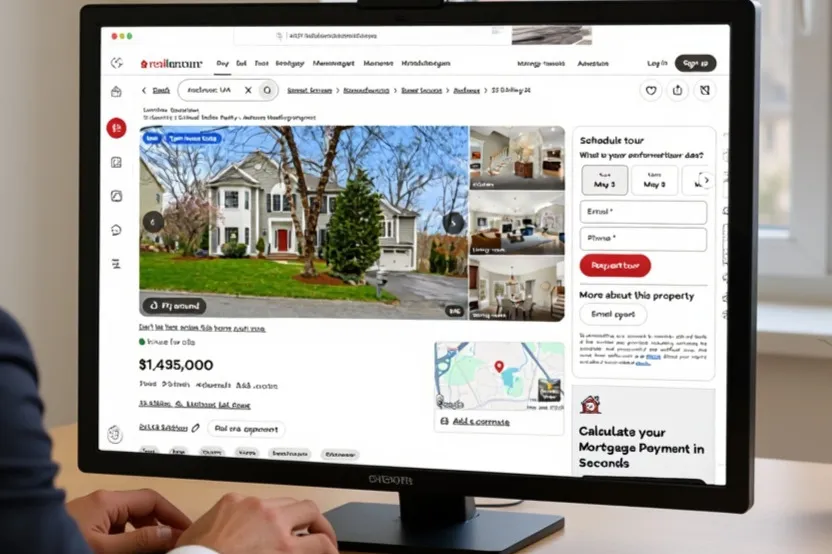
Property descriptions give agents more room to describe the home, but that freedom still has limits. MLS rules for real estate listings often restrict promotional content, unsupported claims, contact details, external links, and language that could create compliance issues.
A strong description should help buyers understand the property’s layout, condition, and most relevant features. It should add context to the photos and structured fields without repeating every detail in the listing.
What Works
Agents should usually:
- Keep the description concise and scannable.
- Focus on layout, flow, condition, and key features.
- Highlight verifiable details.
- Use clear, plain language.
- Match the description to the photos and property fields.
- Follow the MLS character limit.
What to Avoid
Agents should avoid:
- Contact details or agent self-promotion
- Commission information
- External links, where prohibited
- Discriminatory or exclusionary language
- Unsupported claims such as “best,” “perfect,” or “guaranteed”
- Irrelevant neighborhood or lifestyle claims that are not tied to the property
- Details that conflict with the photos or property fields
A good property description should read like a clear walk-through of the home, not a hard sales pitch. Strong writing helps buyers understand what matters without exaggerating what the listing can prove.
A Practical Compliance Check Before Publishing
Before publishing a listing, agents should review the full listing as one complete presentation, not as separate parts. Photos, property fields, descriptions, and disclosures should all tell the same story about the property.
Start with the photos. They should show the property clearly without changing its structure, condition, size, or permanent features. If images are virtually staged or heavily edited, they should be labeled wherever the MLS, brokerage, platform, or local rules require it.
Then review the property details. Price, address, room count, square footage, lot size, amenities, taxes, fees, and parking details should match reliable sources. The description should support those facts, not stretch them.
Finally, check the description and disclosure language. Remove contact details, external links, commission notes, unsupported claims, or restricted language where the MLS prohibits them. The copy should help buyers understand the property without creating confusion or compliance risk.
Final Thought
MLS rules for real estate listings exist to protect accuracy, consistency, and trust. Requirements vary by MLS, brokerage, and market, but the core expectation is the same: present the property clearly and avoid misleading buyers.
Agents who review the full listing before publishing reduce the risk of corrections, delays, or listing issues. Photos, property details, descriptions, and disclosures should all support the same accurate version of the home.
In a market where first impressions form online, clear and accurate listings carry more value than exaggerated presentation. Agents can build stronger campaigns by treating compliance as part of their broader real estate marketing strategies, not as a separate publishing task.
FAQs
How strict are MLS rules for real estate listings?
MLS rules are enforced at the local level, so requirements and penalties vary. Some issues may lead to a correction request or warning. More serious or repeated violations can lead to listing removal, fines, or other MLS action.
Can agents edit MLS listing photos?
Yes, agents can usually use basic photo edits such as exposure correction, color correction, light cropping, lens correction, and straightening. The edit should improve clarity without changing the property’s structure, condition, size, views, or permanent features.
Is virtual staging allowed on MLS platforms?
Virtual staging is allowed by many MLS platforms when it is clearly disclosed and does not misrepresent the property. Agents should label staged images where required and avoid changing room dimensions, finishes, fixtures, damage, or permanent features.
What happens if a listing violates MLS rules?
The MLS may request corrections, flag the listing, remove media, temporarily remove the listing, issue a fine, or take other action depending on the violation and local policy. Repeated or serious issues usually carry more risk.