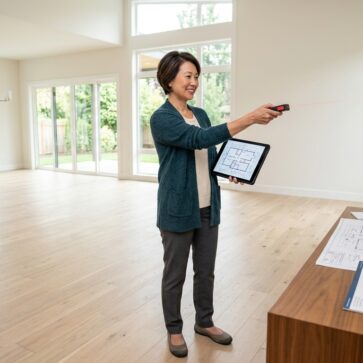
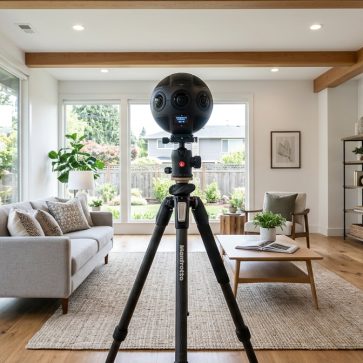
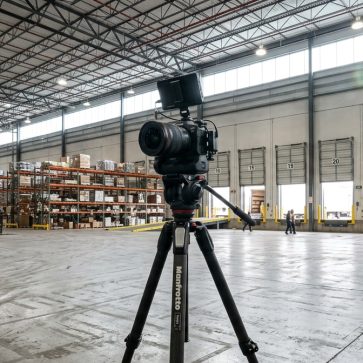
Choosing the best camera for real estate photography depends on how well it can handle the specific conditions of property interiors. Many of these considerations align with broader real estate photography tips used to capture accurate and well-balanced property images.
While many professionals rely on mirrorless systems, the camera itself is only one part of the final result. Lens choice, lighting conditions, and post-processing all influence how clearly a property is presented in listing photos.
This guide compares the best cameras for real estate photography in 2026 and outlines what to consider when building a real estate photography setup for different budgets, shooting styles, and property types.
What Actually Matters in a Real Estate Camera Setup
Choosing the best camera for real estate photography depends on a small set of factors that define how a real estate photography camera performs in interior conditions.
Property images must represent space accurately while handling strong contrasts between bright windows and darker areas. This makes certain features far more important than others.
Instead of comparing long spec sheets, it is more useful to focus on how a camera performs under real listing conditions.
Wide-angle capability
Interiors often require a 14–24mm range (full-frame equivalent) to capture entire rooms without cutting off key areas. In many cases, lens choice has a greater impact on spatial clarity than the camera body itself.
Low-light performance
Many properties rely on natural light, especially during daytime shoots. Cameras that control noise at higher ISO settings can produce cleaner images in dim interiors and reduce post-processing effort.
Dynamic range
Real estate scenes often feature bright windows and darker corners within the same frame. A camera with strong dynamic range helps preserve detail across both, reducing the need for heavy exposure correction.
Resolution
Higher resolution supports cropping and adapting images for different platforms. However, beyond a certain point, it has less impact on perceived listing quality than lens choice and exposure balance.
Taken together, these factors provide a practical way to evaluate cameras for real estate work. Instead of comparing specifications in isolation, they help focus on how a camera performs in real listing conditions. This makes it easier to understand which models are worth considering and why.
Top Cameras for Real Estate Photography (2026)
Selecting the best camera for real estate photography depends on how the camera fits into the overall property photography workflow. While image quality is important, factors such as lens compatibility, dynamic range, and post-processing requirements often have a greater impact on the final listing images.
The cameras below are grouped by use case to support comparison across different budgets, property types, and shooting conditions.
Best Cameras by Use Case
Canon EOS R5
Sony A7R IV
Nikon Z7 II
Canon EOS 90D
Sony A6600
Fujifilm X-T5 / OM System OM-1
Panasonic Lumix S1R / Leica SL2
Nikon D850
1. Canon EOS R5
Best for: High-end listings requiring maximum detail and editing flexibility
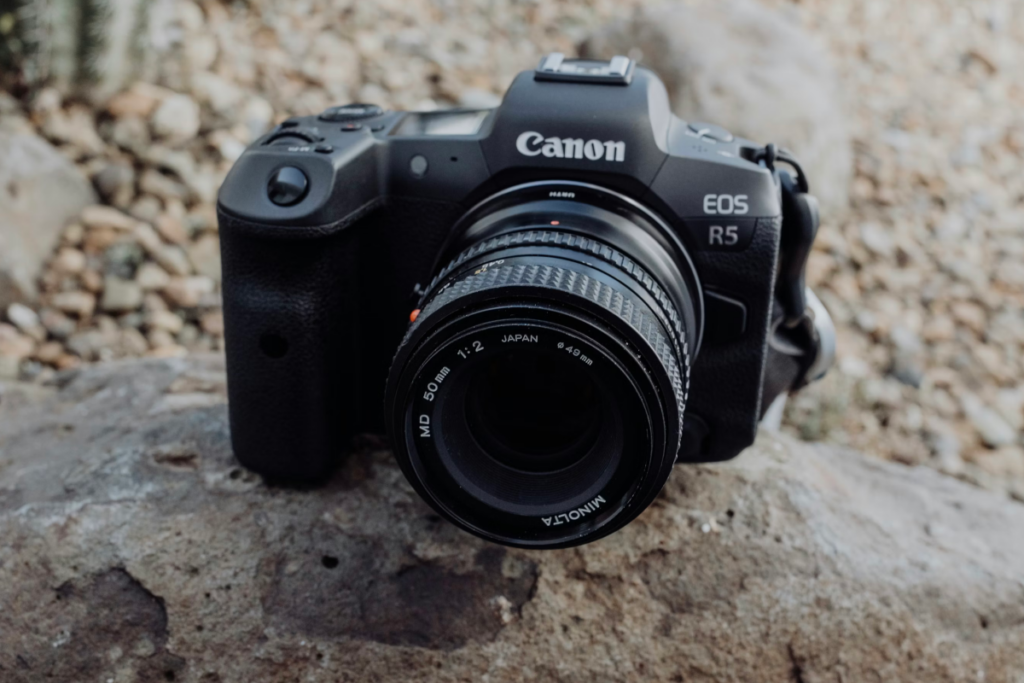
The Canon EOS R5 is well suited for real estate photography, where detail, dynamic range, and editing flexibility are critical. Its full-frame sensor handles strong contrasts between bright windows and darker interiors with minimal loss of detail, which supports consistent results in complex lighting conditions.
When paired with ultra-wide RF lenses, it produces balanced interior images that require less correction during post-processing.
Key features:
- 45MP full-frame sensor
- Strong dynamic range
- Reliable low-light performance
- RF wide-angle lens support (15–35mm)
2. Nikon Z7 II
Best for: Consistent performance across a wide range of property types
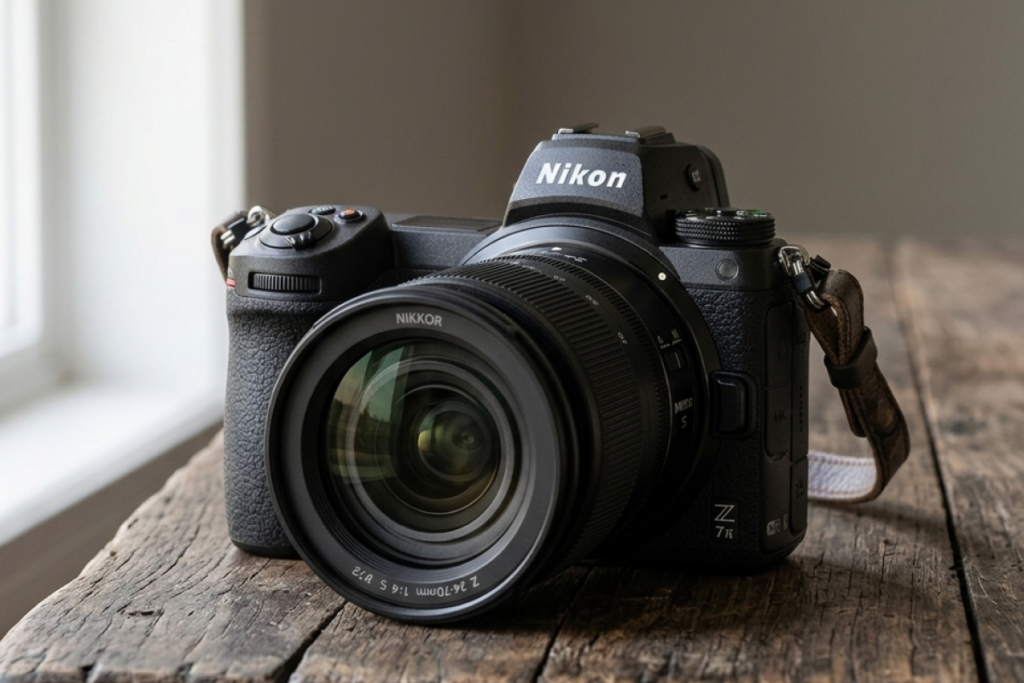
The Nikon Z7 II provides a balance between resolution and usability, making it a reliable option for consistent real estate workflows. It captures interior lines accurately and maintains detail in highlight-heavy scenes, which is important for properties with large windows.
Key features:
- 45.7MP full-frame sensor
- Strong dynamic range
- Stable low-light performance
- Z-mount wide-angle lens support
3. Sony A7R IV
Best for: Detail-heavy and luxury properties where resolution is a priority
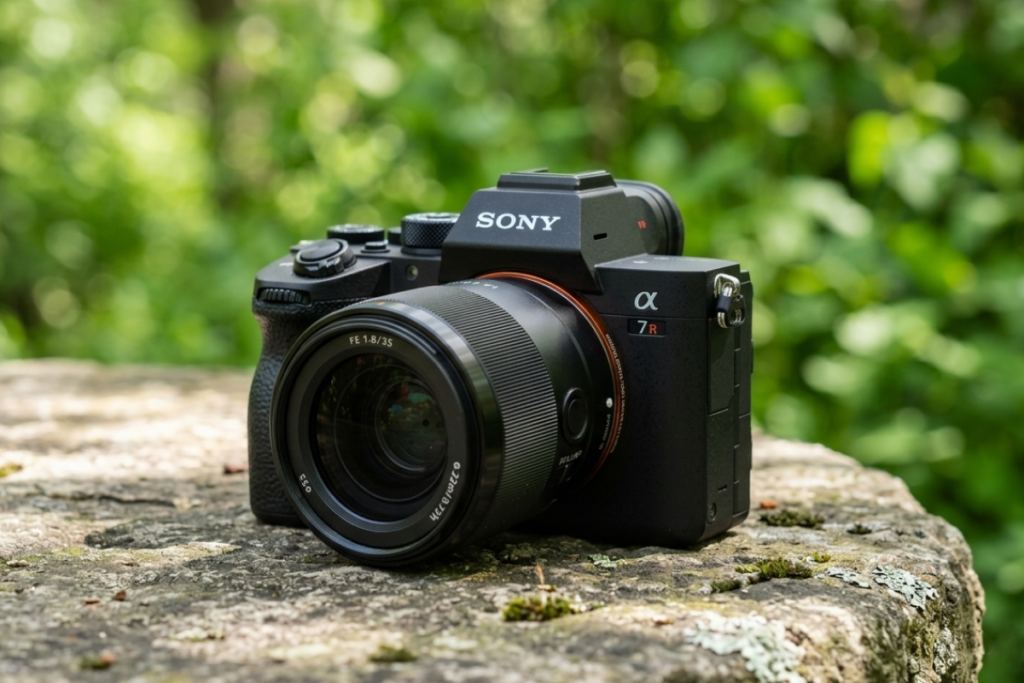
The Sony A7R IV stands out for its high resolution, making it suitable for listings where surface detail and architectural features need to be preserved. The additional resolution supports flexible composition adjustments during editing.
Key features:
- 61MP full-frame sensor
- High detail retention
- Good low-light control
- E-mount wide-angle lens ecosystem
4. Fujifilm X-T5
Best for: Lightweight setups focused on well-lit interior shoots
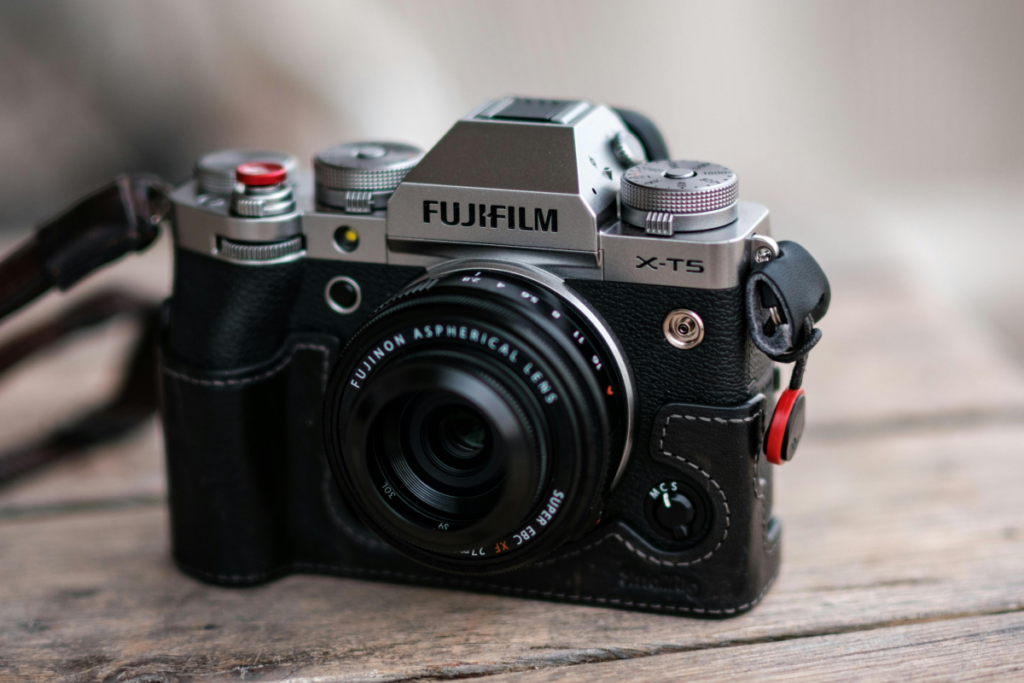
The Fujifilm X-T5 offers strong image quality in a compact system, supporting easier handling during longer shoots. It performs well in well-lit interiors and benefits from pairing with appropriate wide-angle lenses.
Its limitations appear in lower-light conditions, where full-frame systems retain more flexibility.
Key features:
- 40MP APS-C sensor
- Lightweight design
- Solid performance in daylight interiors
- XF wide-angle lens support
5. Panasonic Lumix S1R
Best for: Controlled workflows prioritizing resolution and precise composition
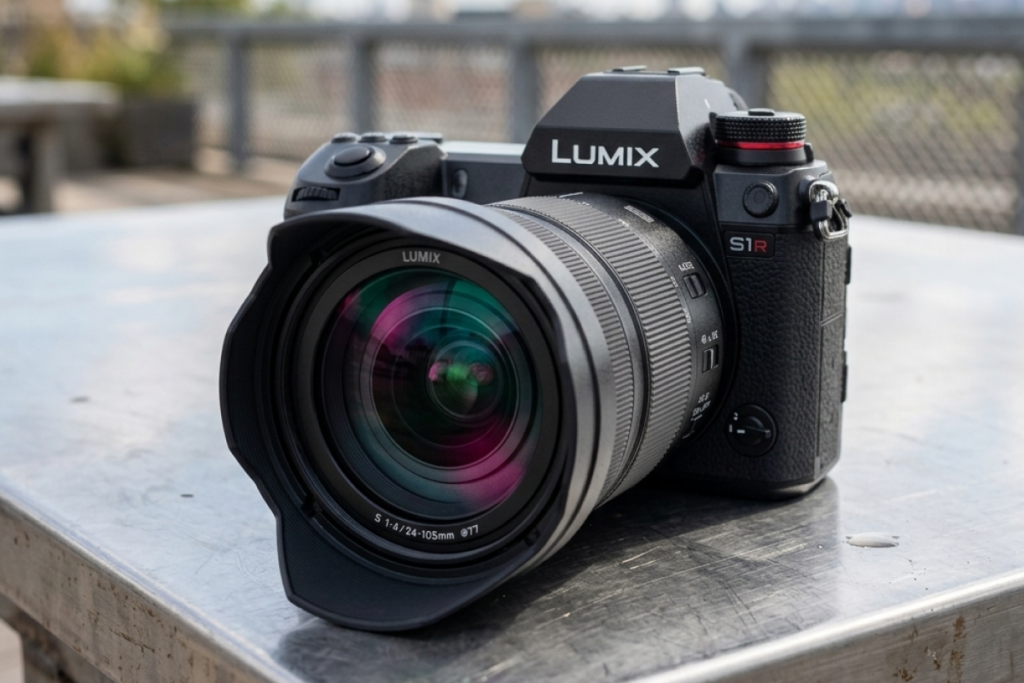
The Lumix S1R is suited for workflows that prioritize resolution and deliberate composition. It delivers strong detail in interior scenes and performs well in setups where careful framing and post-processing are part of the process.
Key features:
- 47.3MP full-frame sensor
- High-resolution capture mode
- Strong detail reproduction
- L-mount wide-angle lens compatibility
6. OM System OM-1
Best for: Compact, handheld shooting in tight interior spaces
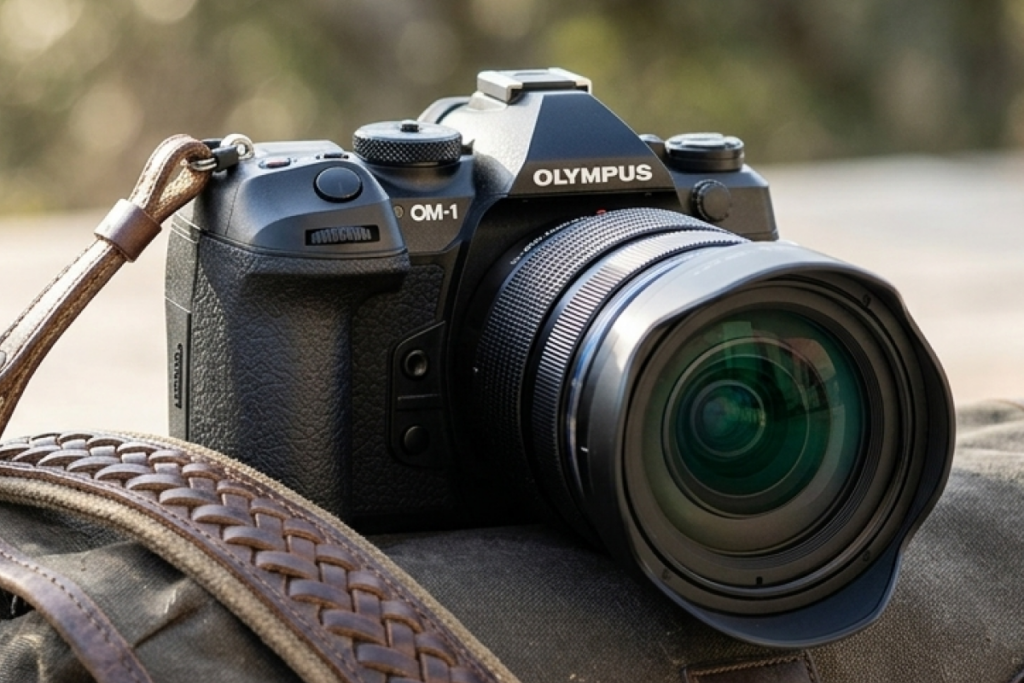
The OM-1 supports smaller, more flexible shooting setups. Its stabilization assists in handheld interior photography, particularly in tighter spaces where movement is limited.
While it does not match full-frame systems in depth, it remains capable for standard listing workflows.
Key features:
- Micro Four Thirds sensor
- Advanced image stabilization
- Compact body
- Wide-angle lens support
7. Leica SL2
Best for: Premium workflows focused on image quality and lens precision
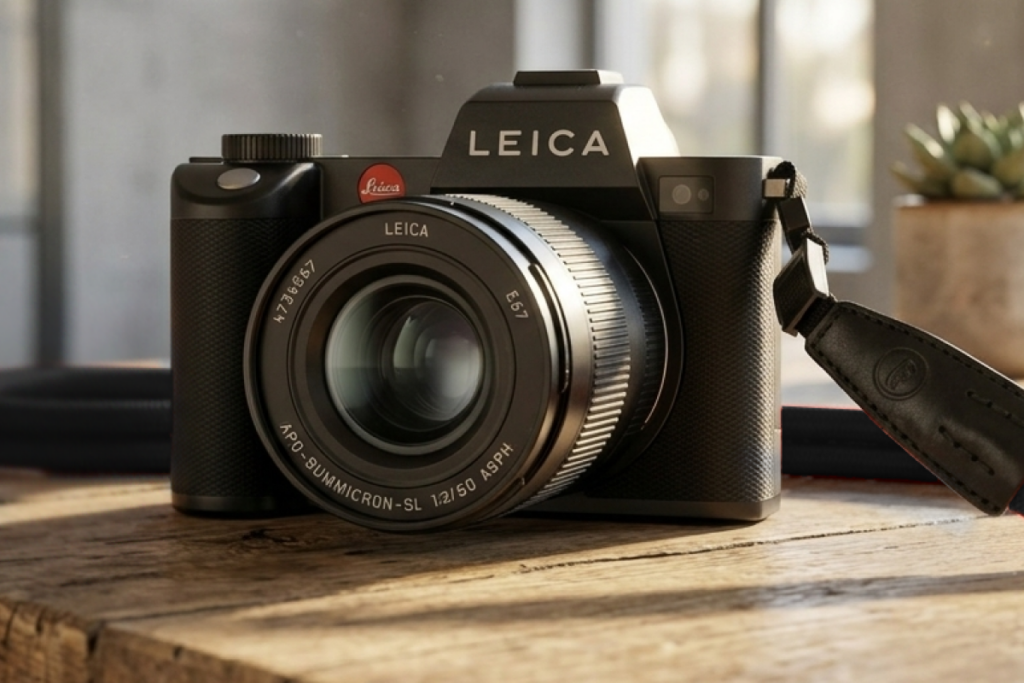
The Leica SL2 emphasizes image quality, lens precision, and build durability. It manages contrast effectively in interior scenes and renders architectural details with a high level of control.
Its price places it in a narrower category, but it remains relevant for workflows focused on premium output.
Key features:
- 47MP full-frame sensor
- Strong low-light performance
- High-quality lens system
- Durable construction
8. Canon EOS 90D
Best for: Entry-level setups and budget-conscious real estate workflows
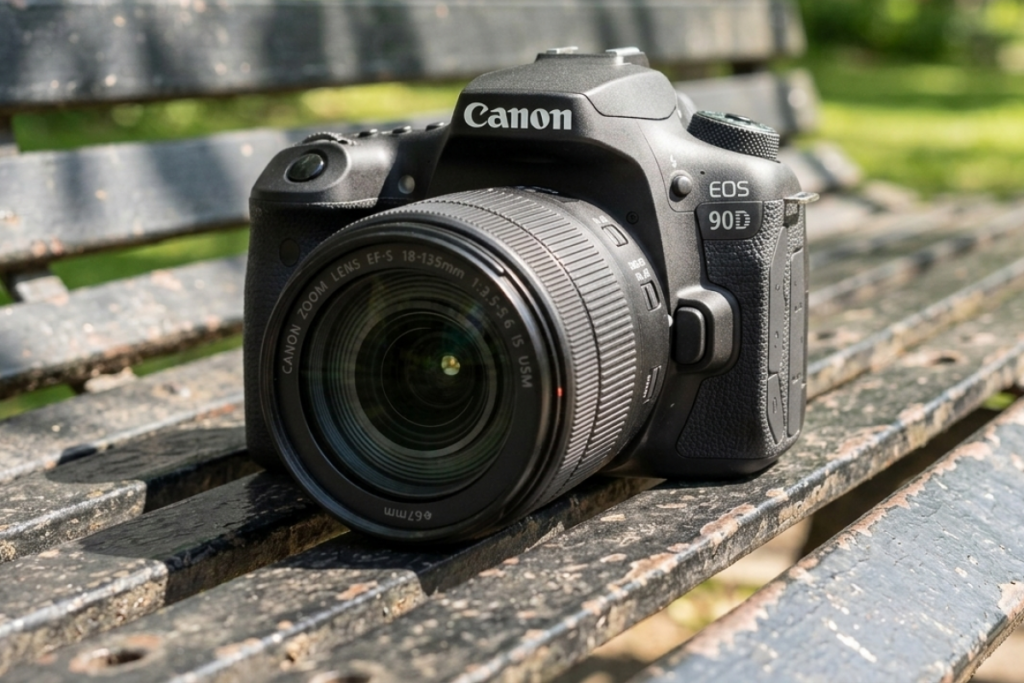
The Canon EOS 90D remains a practical entry point into real estate photography. It provides sufficient resolution for listing photos and supports a wide EF lens ecosystem.
While it lacks the flexibility of newer mirrorless systems, it continues to perform reliably in standard shooting conditions.
Key features:
- 32.5MP APS-C sensor
- Good performance in bright interiors
- Reliable autofocus
- EF wide-angle lens compatibility
9. Nikon D850
Best for: DSLR workflows with existing Nikon lens systems
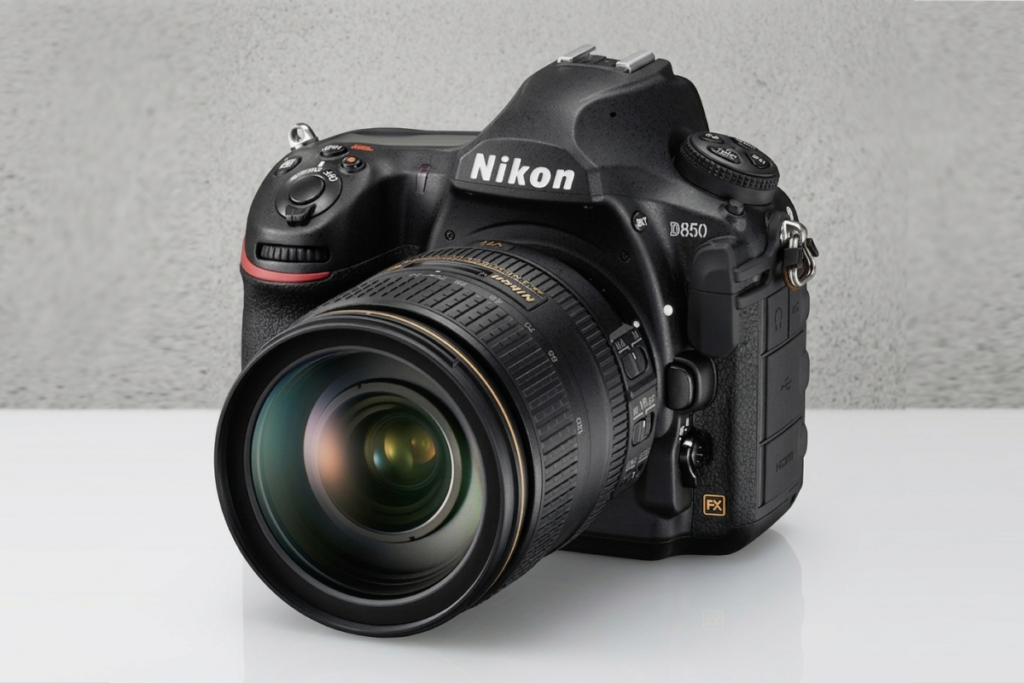
The Nikon D850 continues to deliver strong image quality and dynamic range. It remains a practical option for workflows already built around Nikon F-mount lenses.
Despite the shift toward mirrorless systems, it maintains relevance through consistent performance and durability.
Key features:
- 45.7MP full-frame sensor
- Strong dynamic range
- Reliable low-light performance
- F-mount wide-angle lens support
10. Sony A6600
Best for: Lightweight, efficient setups for standard property listings
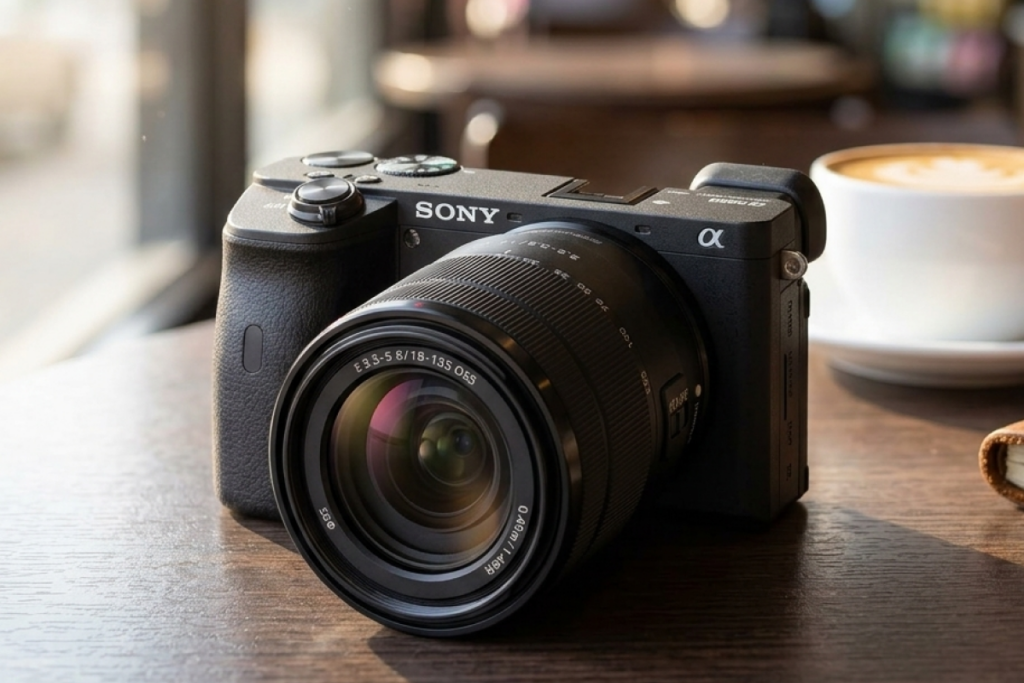
The Sony A6600 is a compact option suited for simpler listing workflows. It delivers reliable results in favorable lighting conditions and supports efficient shooting setups for smaller properties.
It is better positioned as a practical APS-C alternative rather than a direct competitor to high-end full-frame systems.
Key features:
- 24MP APS-C sensor
- Compact and lightweight
- Fast autofocus
- E-mount wide-angle lens support
The camera body plays a supporting role in real estate photography. Lens choice, composition, and post-processing have a greater influence on how a property is perceived in listing images.
Are Smartphones Replacing Cameras for Real Estate Photography?
Smartphones have improved significantly and now play a role in certain real estate workflows. Recent flagship smartphones can produce usable images for casual listings, rental properties, and social content, particularly in well-lit environments.
However, they still fall short in the areas that matter most for interior photography. Limited dynamic range makes it harder to balance bright windows and darker spaces, and ultra-wide lenses often introduce distortion that affects how rooms are perceived. Low-light performance also remains more restricted compared to dedicated camera systems.
As a result, smartphones are best suited for lightweight workflows where speed and convenience matter more than precision. For listings that require accurate proportions, consistent lighting, and high-quality presentation, dedicated cameras continue to provide more reliable results.
Final Thoughts
No single camera fits every real estate workflow, and the right choice depends on budget, property type, and how the equipment supports the overall shooting process.
For more demanding interior shoots, full-frame systems provide greater flexibility in handling contrast and detail. Smaller systems can still perform well in simpler listings where lighting conditions are more controlled.
At the same time, camera choice is only one part of the result. Lens selection, composition, and post-processing have a greater influence on how clearly a property is presented.
In practice, the most effective setup is not defined by the most advanced camera, but by how well the entire workflow supports accurate, consistent listing images.
FAQs
Full-frame cameras usually handle interior scenes more effectively because they offer better tonal control and more flexibility in editing. In general, APS-C cameras can still produce strong results for standard listings when paired with the right lens.
Mirrorless systems have become more common due to their size, newer technology, and lens options. However, many DSLRs still perform well and remain a solid choice, especially for photographers who already own compatible lenses.
Most real estate interior photos use a focal length between 14mm and 24mm (full-frame equivalent). Wider focal lengths may introduce distortion, while narrower ones can make spaces appear smaller.
Full-frame systems provide better dynamic range and flexibility, but APS-C cameras can still produce strong results in standard listing conditions.
Yes, especially when paired with a proper wide-angle lens and basic editing workflow.