Working with first-time homebuyers usually requires more explanation, reassurance, and structure than working with repeat buyers. Many first-time buyers enter the market with only a partial view of how a purchase unfolds. They want a home, but they may not fully understand timing, financing, paperwork, negotiation, or the trade-offs tied to budget and location.
For that reason, agents should start building clarity and trust well before an offer is written.
The advice below focuses on the parts of the job that matter most with first-time buyers. These include education, financial clarity, realistic expectations, visual support, referrals, negotiation, paperwork, and follow-up.
Handled well, these parts make the process easier to move through.
10 Tips for Working with First-Time Homebuyers
- Educate buyers early
- Explain the full cost of buying
- Set realistic expectations
- Stay patient during slow decisions
- Use visuals to clarify the home
- Connect buyers with trusted professionals
- Explain listings in plain language
- Lead negotiations calmly
- Break paperwork into clear steps
- Follow up before and after the sale
1. Educate Buyers Early
Many first-time homebuyers struggle to set a workable budget and often overlook costs beyond the purchase price. On top of that, rising housing costs have made homeownership less accessible for many, especially as first-time buyers face higher down payments and tighter affordability conditions.
Many buyers also have only a limited sense of market conditions, which makes it harder to judge value, timing, or lender options with confidence.
Agents can make this stage easier by explaining the process in plain language from the start. That means walking buyers through common terms, outlining the main steps, clarifying likely costs, and explaining trade-offs tied to budget, location, and property condition.
Early guidance reduces confusion, builds trust, and gives first-time buyers a clearer basis for making decisions.
2. Explain the Full Cost of Buying

Price gets the most attention, but first-time buyers often miss the other costs tied to a purchase. Closing fees, property taxes, insurance, repairs, moving costs, inspection fees, and early purchases for the home all affect what feels affordable.
Agents do not need to act as lenders or accountants to bring clarity here. Their role is to raise the right points early, explain what buyers should ask their lender, and encourage pre-approval before the search gains speed.
A buyer who understands the full cost picture can shop with more discipline and is less likely to feel shocked late in the process.
3. Set Realistic Expectations
First-time buyers may expect the right home to appear quickly, a property in perfect condition to fit the lower end of their budget, or every offer to end in a smooth agreement. These expectations often come from online browsing without enough local context.
Agents can close that gap by grounding the conversation in current real estate trends and local market conditions. They can explain how price, location, condition, inventory, and timing affect one another in real decisions.
A buyer who sees those trade-offs clearly tends to move with more focus and less frustration.
4. Stay Patient During Slow Decisions
First-time homebuyers often ask the same question more than once. That does not always signal indecision or lack of seriousness. In many cases, it reflects the weight of the purchase. A home is expensive, personal, and difficult to reverse.
Patience matters here. A calm answer, a short recap, or a written follow-up after a conversation can prevent uncertainty from turning into hesitation.
Buyers also tend to share more openly when they do not feel rushed, which gives the agent a clearer view of budget concerns, family priorities, and doubts about a property.
5. Use Visuals to Clarify a Home

First-time buyers often struggle with vacant rooms, dated interiors, or awkward layouts. They do not always know how to read space, flow, or possible use from photos alone.
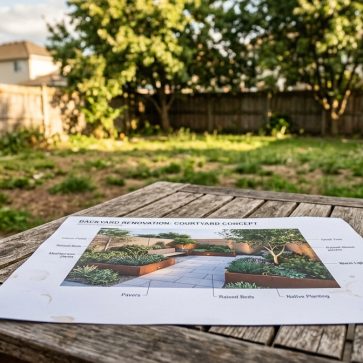
This is where visual presentation does real work. Clean photography, floor plans, room-by-room context, and tools such as AI virtual staging help first-time buyers understand a home with less confusion.
That makes it easier for them to judge scale, function, furniture fit, and whether the layout supports their daily life.
When visuals are digitally edited or staged, agents should keep the presentation clear and transparent so buyers understand what is real, what is proposed, and what needs to be verified in person.
6. Connect Buyers With Trusted Professionals
A home purchase brings in more professionals than many first-time buyers expect. Lenders, inspectors, appraisers, insurance providers, contractors, house painters, and closing specialists may all enter the process at different points.
For a new buyer, that list can feel long and confusing. Agents do not need to do those jobs. Their value is in helping buyers understand who does what, when each professional is needed, and what questions to ask before choosing one.
A strong referral network can make the process feel less fragmented. Agents should still encourage buyers to compare options and make their own final decisions.
7. Explain Listings in Plain Language
Listing platforms give buyers access to many homes, but access alone does not equal understanding. A first-time buyer can scroll through dozens of properties and still miss the details that matter most.
One client may focus too much on cosmetic flaws. Another may ignore a serious issue because the kitchen looks good in the photos.
Agents add value when they explain what buyers are seeing. That includes price context, neighborhood fit, likely repair issues, room use, resale concerns, and what the photos do not answer.
A short explanation during or after a showing can shift the buyer from emotional reaction to a more disciplined evaluation.
8. Lead Negotiations Calmly
Negotiation feels abstract until a buyer enters it. Then every term can feel personal. First-time buyers often focus on price alone, even though credits, closing dates, contingencies, and inspection requests can matter just as much.
Agents should frame negotiation as a series of decisions, each with a clear reason behind it. That means explaining why one concession is worth pushing for and why another may not be. It also means setting the tone.
A calm process helps buyers stay steady when the seller pushes back, the inspection changes the conversation, or the offer needs revision.
9. Break Paperwork Into Clear Steps
Paperwork can overwhelm first-time buyers even when the rest of the process feels under control. Contracts, disclosures, lender requests, deadlines, inspection reports, and closing documents all arrive with unfamiliar terms.
Agents make this part easier by explaining what each document does, what needs quick attention, and what comes next. A buyer who understands the purpose of a form is less likely to freeze or sign in a rush.
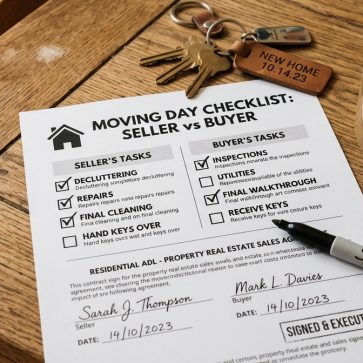
Order matters here. A step-by-step approach gives first-time buyers a sense of direction and keeps the transaction from turning into a blur of forms and signatures.
10. Follow Up With Care Before and After the Sale

Trust with first-time buyers grows through repeated proof. A clear text after a showing, a fast answer to a lender question, or a reminder before an inspection call can all leave an impression. Small moments like these often matter more than polished sales language.
Follow-up also matters before a buyer is ready to act. Many first-time buyers spend months reading, comparing, and waiting. Agents who stay useful during that stage are more likely to become the trusted point of contact when the buyer is ready to move forward.
Final Thoughts
Working with first-time homebuyers requires more than answering questions as they come up. Real estate agents help most when they bring structure to a process that feels large, expensive, and unfamiliar.
Education, patience, financial clarity, referrals, visual support, calm negotiation, and consistent follow-up all help buyers move through each stage with less confusion.
Handled well, these parts do more than move a deal forward. They help buyers make decisions with clearer reasoning and less stress throughout the purchase.
FAQs
What do first-time homebuyers need most from an agent?
They usually need clear explanations, honest expectation-setting, and steady communication. Agents should also help them understand costs, loan preparation, and the sequence of the transaction.
How can agents build trust with first-time buyers?
Trust grows through honest advice, patient answers, realistic framing, and reliable follow-up over time.
When should an agent talk about financing?
Very early. Buyers benefit from discussing budget limits, loan preparation, and related costs before the search gains speed.
How should agents handle hesitation from first-time buyers?
Agents should expect hesitation at several points in the process. Clear explanations, calm follow-up, and realistic guidance can help buyers make decisions with more confidence.
What should agents explain during showings?
Agents should explain more than visible features. Buyers often need help understanding layout, condition, repair concerns, neighborhood fit, and how the asking price compares with the broader market.