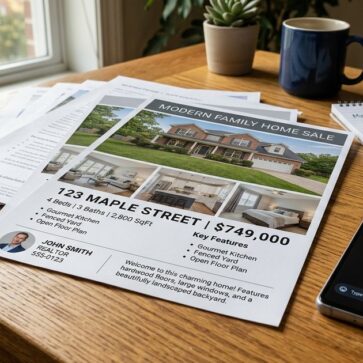
What do home buyers want in 2026? Most sellers should start with the basics buyers can actually feel: fair pricing, strong listing photos, good condition, energy-efficient features, and flexible spaces that fit daily life.
Luxury upgrades can help in some markets, but they are not always the best path to resale value. Buyers often respond more strongly to practical improvements that make a home feel clean, functional, move-in ready, and easy to understand online.
This guide breaks down the buyer preferences sellers should pay attention to in 2026, from energy efficiency and flexible layouts to listing visuals, pricing strategy, and renovation choices that match the local market.
2026 Housing Market Overview: What Sellers Are Walking Into
Selling in 2026 may bring more buyer activity, but it also means more comparison. NAR Chief Economist Lawrence Yun has projected existing-home sales to rise by about 14% nationwide in 2026, with home price growth moderating to roughly 2% to 3%. That is encouraging for sellers, but it does not mean every listing will move easily.
More inventory and slower price growth can make buyers more selective. When shoppers have more options, they compare homes more closely on price, condition, layout, energy efficiency, and listing presentation. A home that looks unprepared online can lose attention before a buyer ever schedules a showing.
Demand may remain active, but sellers should not treat that as permission to overprice or skip preparation. Correctly priced homes with clean presentation, strong visuals, and practical updates are better positioned to compete. Overpriced listings, dated interiors, and weak listing photos can sit longer and invite lower offers.
The takeaway for sellers is simple: 2026 is not just about getting listed. It is about making the home easy to compare, easy to understand, and easy to choose.
What Buyers Actually Want in 2026: Top Feature Priorities
Sellers often assume bigger rooms and premium finishes are what buyers value most. In practice, many buyers respond more strongly to homes that feel efficient, functional, and easy to live in.
A well-organized home with clear room purpose can compete better than a larger home with awkward layouts or dated presentation.
Flexible spaces matter because buyers want rooms that can adapt to daily life. A spare bedroom staged as a home office and guest room, for example, shows more value than the same room left empty.
For sellers, the lesson is simple: help buyers understand how each space works. NAR research on home buyers and sellers can support this broader point about how buyers evaluate homes, search online, and compare property features.
Energy efficiency is also a major buyer priority. NAHB’s What Home Buyers Really Want survey shows strong buyer interest in energy-efficient features.
ENERGY STAR-rated windows and appliances, whole-home energy ratings, and above-code insulation are often rated as essential or desirable features.
Community amenities can add another layer, but they should be framed carefully. Buyers may value shared spaces, walkability, outdoor areas, fitness amenities, or neighborhood conveniences, but the premium depends heavily on market, property type, and buyer segment.
Sellers should highlight amenities that genuinely match the local buyer profile instead of assuming every feature carries the same value.
Renovation ROI Breakdown: Where to Spend and Where to Stop
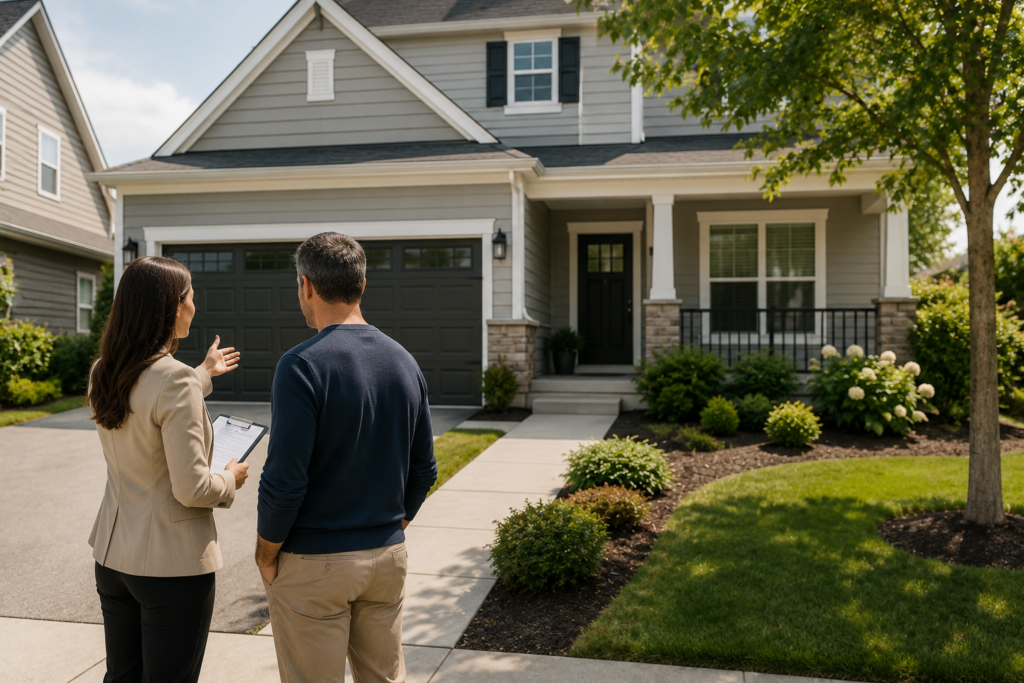
Many sellers spend too much on projects that look impressive but do not always return their cost at resale. A full kitchen gut renovation or luxury bathroom addition may help in some markets, but sellers should not assume high-end upgrades automatically create the strongest return.
For 2026 sellers, the safer starting point is practical improvement: curb appeal, visible maintenance, energy efficiency, clean presentation, and mid-range updates that make the home feel move-in ready.
Start with the exterior. According to the 2025 Cost vs. Value report, garage door replacement had one of the strongest returns among tracked projects, with an estimated ROI near 268%. That makes it a useful benchmark for sellers focused on curb appeal before listing.
Kitchen and Bathroom: Minor Often Beats Major
Inside the home, kitchens and bathrooms need careful budgeting. Buyers notice these rooms quickly, but that does not mean every seller needs a full renovation.
A minor kitchen update can be more practical than a major upscale remodel, especially when the goal is resale rather than personal preference. Fresh cabinet hardware, cleaner lighting, updated fixtures, neutral paint, and repaired surfaces can make the room feel better without pushing the budget too far.
Bathrooms follow the same logic. A clean, functional, mid-range refresh often makes more sense than a luxury addition if the seller’s goal is to prepare the home for market.
Windows, EV Chargers, and Emerging Features
Window replacement can sit in a useful middle ground. It can improve appearance, comfort, and energy efficiency, which matters to buyers who are thinking about monthly costs as well as purchase price.
Emerging upgrades such as EV charging stations and smart home automation may also help in the right market. The key is local fit. These features can be useful differentiators for some buyers, but they should not be treated as guaranteed value adds everywhere.
The safer rule is simple: spend where buyers can clearly see or feel the improvement, and stop before the project becomes too personal, too luxury-focused, or too expensive to recover at resale.
Move-In Ready vs. Selling As-Is: Which Strategy Works in 2026?
Sellers often assume a lower asking price will offset deferred maintenance. Buyers may see it differently. Visible repairs, dated finishes, and unclear room function can make buyers add a larger risk discount than the seller expected.
In a market where buyers have more options, presentation matters. A move-in-ready home does not need to be fully renovated, but it should feel clean, functional, and easy to evaluate. As-is listings can still sell, but they need the right pricing, buyer pool, and expectations from the start.
When Selling As-Is Makes Sense
Not every property benefits from pre-listing work. Estate sales, investor-targeted listings, inherited properties, and major fixer-uppers may not justify cosmetic updates. In those cases, pricing accurately and marketing to the right buyer segment matters more than fresh paint or minor repairs.
The key is honesty. If the home needs meaningful work, the listing should not try to hide that. Clear photos, accurate descriptions, and realistic pricing help attract buyers who are prepared for repairs.
The Smarter Middle Path: Targeted Fixes
For many sellers, the best option is not a full renovation or a true as-is sale. It is targeted improvement. Small, visible updates can change how buyers perceive the home without pushing the budget too far.
Examples include fresh paint, improved curb appeal, repaired fixtures, updated cabinet hardware, better lighting, deep cleaning, and small exterior fixes. These changes can make the home feel better cared for, which reduces buyer hesitation.
Presentation also matters online. Sellers asking does virtual staging work? should think of it as one part of the visual strategy, especially for empty or awkward rooms. It cannot replace needed repairs, but it can help buyers understand layout, function, and potential before they decide whether to visit.
In 2026, the winning strategy is usually simple: fix what creates obvious friction, price the home for the local market, and present the property clearly online.
Energy Efficiency and Sustainability: From Bonus to Buyer Priority
Buyers increasingly look at a home’s operating costs alongside the mortgage payment. Heating, cooling, appliances, windows, and insulation can all affect how affordable a home feels after purchase. That makes energy-efficient features more important in the listing conversation.
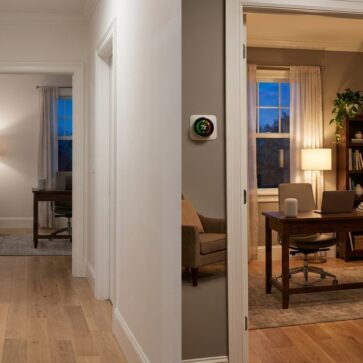
Sellers do not always need a major renovation to benefit from this trend. ENERGY STAR-rated appliances, efficient windows, newer HVAC systems, smart thermostats, added insulation, and lower-maintenance materials can all be worth highlighting when they already exist.
Surfacing What Already Exists
Many sellers already have energy-related features but fail to present them clearly. Listing copy should name specific upgrades, certifications, or ratings when available. Photos should also show modern appliances, upgraded windows, utility areas, or smart-home controls when they are relevant to the buyer’s decision.
Strong real estate photo editing can help these details look clean and clear without exaggerating them. The goal is not to make the home look more upgraded than it is. It is to make real features easier to notice online.
EV charging is another feature worth mentioning in the right market. A fully installed charger, EV-ready outlet, or pre-wired garage may matter more in areas with higher EV adoption. Sellers should treat it as a differentiator, not a guaranteed ROI upgrade.
Quick Wins: High-Impact, Low-Cost Improvements Before Listing
Small visible improvements can change how buyers read a home online and in person. The goal is not a full renovation. It is targeted preparation: fix the details buyers notice first, remove obvious friction, and help the home feel clean, cared for, and easier to evaluate.
Paint, Floors, and First Impressions
Fresh neutral paint is one of the simplest ways to make a home feel cleaner and more move-in ready. It can cover scuffs, unify rooms, and make listing photos look brighter without major construction.
Floors matter too. Before replacing them, sellers should consider professional cleaning, refinishing, or minor repairs. Clean hardwood, refreshed carpet, and repaired flooring can improve the visual impression at a lower cost than full replacement.
Curb Appeal: The Exterior Checklist
Buyers start forming opinions before they step inside. Basic exterior prep can make the home feel better maintained from the first photo or drive-by.
Useful low-cost updates include:
- fresh mulch
- edged walkways
- power-washed driveways
- trimmed landscaping
- seasonal plants
- touched-up exterior trim
- repaired or cleaned front entry details
Garage door replacement can also be a strong curb-appeal project, especially when the existing door looks dated or damaged. The key is to focus on exterior updates that are visible, practical, and aligned with the home’s price point.
Primary Bath: Low-Cost Signals of Care
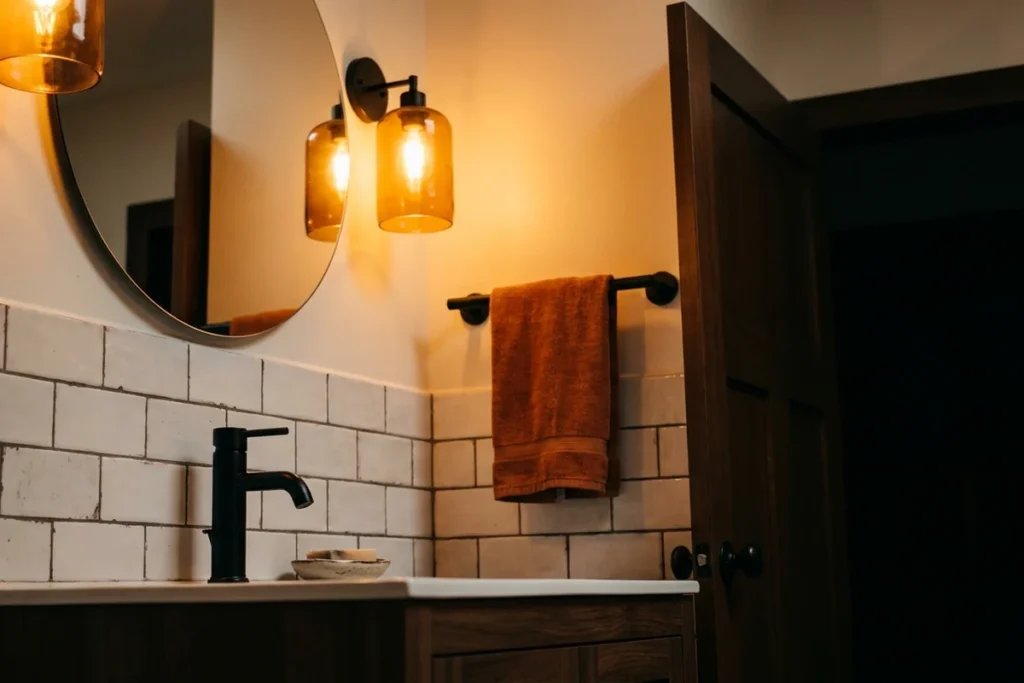
Buyers often look closely at bathrooms because they reveal how well the home has been maintained. Small updates can make a noticeable difference without turning into a full remodel.
Sellers can start with re-caulking, deep cleaning grout, replacing worn fixtures, updating lighting, and swapping an old mirror for a cleaner, simpler option. These changes help the bathroom feel fresher while keeping the budget under control.
The same rule applies here as in the kitchen: restraint usually works better than over-renovation. A clean mid-range refresh is often more useful for resale than a luxury upgrade that may not match buyer expectations or the local market.
Staging and Listing Visuals
Vacant or dated rooms need special attention because buyers may struggle to understand scale, layout, or function. Physical staging can help, but it may not fit every budget or timeline.
Virtual staging offers a more flexible option for showing how an empty room could function with furniture. For sellers following home staging tips for sellers 2026, this approach can pair well with professional photography and a clear listing strategy.
Listing visuals also matter more when buyers compare homes online. Current real estate photography trends in 2026 point toward cleaner editing, natural-looking light, strong room composition, and visuals that feel polished without looking exaggerated.
Every physical improvement made before the shoot should support the same goal: make the home easier to understand, easier to trust, and easier to imagine living in.
Pricing Strategy for 2026: How to Avoid the Overpricing Trap
Many sellers make the same mistake: they price the home around what they spent, not what buyers are likely to pay. Renovation cost and market value are separate calculations. A kitchen remodel may have cost tens of thousands, but buyers compare the home with similar listings nearby, not with the seller’s receipts.
With inventory expected to rise in 2026, buyers may have more alternatives to compare. That makes overpricing riskier. A well-prepared home still needs to match local purchasing power, recent comparable sales, and current competition.
The “Testing the Market” Trap
Starting too high can weaken momentum. Buyers notice when a listing sits longer than similar homes or goes through repeated price reductions. Even if the home is in good condition, the market may start to question whether something is wrong.
A better pricing strategy starts with the local comparable set. National price forecasts can provide background, but they should not drive the final listing price. Recent nearby sales, active competing listings, buyer demand, and property condition matter more.
The practical rule is simple: price to the market, not to the renovation receipt. Sellers who prepare the home well and price it realistically give buyers fewer reasons to hesitate.
Final Thought
What home buyers want in 2026 is not a perfect home. They want a home that feels fairly priced, well cared for, easy to understand online, and realistic to live in.
For sellers, that means preparation should come before big renovation plans. Targeted updates, cleaner presentation, energy-efficient features, and practical repairs usually matter more than luxury upgrades that may not match the local market.
Presentation also matters before a buyer ever visits. Strong listing photos, accurate day to dusk exterior images, and thoughtful visual storytelling for realtors can help buyers understand the home’s best features faster.
The safest strategy is simple: fix the obvious friction, highlight the features buyers already value, price the home against local comparables, and use listing visuals that make the property feel clear, trustworthy, and ready to tour.
FAQs
Does the ROI advantage of minor kitchen remodels apply to condos and townhomes?
Not equally. Kitchen updates may matter more in single-family homes, where buyers evaluate the whole property more independently. In condos and townhomes, HOA rules, building amenities, and comparable units in the same complex can limit how much value a kitchen update adds.
Should older ENERGY STAR appliances be replaced before listing?
Not always. If the appliances still work and look clean, name the ENERGY STAR feature in the listing instead of replacing them. A modest replacement may make sense only when appliances look visibly worn, mismatched, or dated.
Can a small room under 100 square feet work as a home office?
Yes, if it is staged simply. A small desk, good lighting, neutral paint, and minimal clutter can help buyers understand the room’s function. The listing copy should describe it clearly so buyers do not see it as wasted space.
Should sellers install an EV charger before listing?
Usually, an EV-ready outlet is enough to mention in the listing. Many buyers may prefer to install their own charger. A full charger installation makes more sense in markets where EV adoption is high and similar homes already offer that feature.
Does virtual staging work as well as physical staging?
Virtual staging works best for online listing photos. It helps buyers understand layout and room potential before they schedule a showing. For in-person tours, the actual space still needs to feel clean, bright, and well presented so buyers are not disappointed by the difference.