New Construction vs Resale: 7-Point Buyer Framework
In short
- Compare all-in cost: base price and list price miss the line items that decide the deal.
- Price the risk: timeline slips and deferred maintenance belong in the worksheet.
- Level the visuals: render an updated resale so the comparison stays fair.
Buyers comparing new construction vs resale often argue over the wrong number. Builders can move financing and included options in ways a single seller usually cannot, while resale homes compete on established neighborhoods, mature lots, and negotiable price per square foot.
That trade-off sits inside a larger decision. The same choice affects inspection timing, monthly carrying costs, and how fast a home can be personalized. The wider context also touches marketing realities that shape resale, covered in broader real estate marketing strategies.
The price gap also changes by metro and by month, so this guide uses a decision framework instead of a universal verdict. Seven weighing points plus a scoring rubric can turn two specific addresses into a clear lean.
The two paths negotiate differently
Builders and resale sellers can both concede, but they usually concede on different levers. A builder often protects the headline base price because it supports future comps inside the community. That pressure pushes many builder deals toward financing help, included upgrades, or credits that apply only with certain terms.
Resale sellers face a different setup. An individual seller rarely has a future phase to protect, and a resale listing competes against other resale listings. That reality often makes a straight price cut, repair credit, or seller-paid closing costs a more natural move.
Incentives also move faster than buyers expect. A builder can expand or pull back incentives based on standing inventory, rate changes, and how many homes need to close before the next release. A buyer comparing offers should treat the current offer sheet as a snapshot, not a permanent feature.
How to apply a new construction vs resale worksheet

A fair comparison starts with one worksheet that forces both options into the same accounting frame. Agents can usually deliver a first-pass worksheet within 2 business days after receiving the builder quote sheet, the MLS listing, and any HOA or district documents. That turnaround works because the early goal is clarity, not perfection.
Keep the worksheet clean. Put only written terms, written quotes, and inspection findings into the deliverable. Save negotiating posture, risk tolerance, and family constraints for a call, where trade-offs land better than they do on a spreadsheet.
Weighing point one: true all-in cost, not base price
Many buyers compare a builder base price to a resale list price and think the job is done. That shortcut hides the line items that decide the real cost.
New construction often adds costs through lot premiums, design-center selections, allowances with overage pricing, and post-close essentials like window coverings and fencing. Resale homes carry their own “all-in” line items, usually tied to inspection findings, lender-required repairs, and the first round of cosmetic updating.
One national benchmark sets the frame before the line items start. The median sale price of new houses sold in September 2026 was $400,400, reported in the U.S. Census Bureau New Residential Sales release, while the median existing-home price for all housing types in September 2026 was $417,500, reported in NAR Research and Statistics. That is a gap of about $17,100, roughly 4 percent, with the new-build median sitting below the resale median on headline price alone. National medians cover different mixes of homes and do not settle a single address, so the decision still needs the all-in math for the exact home under contract.
Compare the full cost of both homes, from the contract to the first year of ownership. Check what is already included so each cost is counted once.
Purchase & upgrades
- Contract pricebase vs final price, and what triggers changes
- Lot premiumconfirm the lot number and whether the premium is refundable
- Design-center upgradesinclude allowances and overages
- Closing costsloan fees, escrow setup, and prepaid items
Move-in essentials
- Landscaping and irrigationclarify what is included at closing
- Window coveringsblinds and rods often land after closing
- Fencing and gatesHOA rules can change the plan and cost
- Appliancesconfirm what conveys, and what is excluded
Repairs & reserves
- Immediate repairsinspection-driven or lender-required items
- Cosmetic updatespaint, flooring, lighting, fixtures
- Replacement reserve seedfirst-year set-aside for known near-term replacements
Want to run the numbers?
The Excel file includes these costs and the seven-point scorecard.
Weighing point two: financing and incentives
A builder can offer credits that look like “free money,” but those credits usually carry conditions. Common examples include preferred-lender credits, rate buydowns, or upgrade packages tied to specific loan paths. The key comparison is total cost on the loan path with the incentive versus the best outside quote, using the expected hold period.
Resale deals often negotiate in a different direction. A buyer can request seller concessions, repairs, or credits based on inspection results and market conditions. The mechanics of that negotiation matter, and the same playbooks that help on resale can also shape builder conversations in narrower ways covered in real estate negotiation tactics.
Rate-lock timing belongs in the same line item set. New construction timelines can push buyers into longer locks or lock extensions, and those costs belong in the worksheet next to incentives.
Weighing point three: timeline, contingencies, and risk
Resale offers often revolve around move-in certainty. A typical resale path runs on a fixed contract close date, and the inspection and appraisal schedule tends to follow predictable milestones.
A build schedule carries different risks. Weather, trade availability, and materials can push completion dates. Many builder contracts handle delays through contract language rather than penalties, so the practical cost often shows up as storage, temporary housing, or rate-lock extensions.
Spec or inventory homes can narrow that gap by shortening the wait, but they also reduce finish and design choices. For moves with hard deadlines, a planning tool like a moving checklist for buyers and sellers helps surface the hidden cost of a slipped date.
Weighing point four: condition today vs. a replacement reserve
New construction often shifts early risk away from the buyer through a warranty booklet and builder service process, though warranty terms vary by builder and deserve a full read. Resale homes shift risk differently. The home may work fine, but big components can sit closer to end-of-life.
A practical way to compare those risks is a replacement reserve. Start with the major systems that drive five-figure surprises in many markets: roof, HVAC, water heater, windows, and the main electrical service panel. Ask for the install date, service history, and any invoices that establish age.
Then turn age into math. A buyer can take a replacement quote for each component and divide it by remaining expected life to estimate an annual set-aside. That method replaces vague “old homes are expensive” talk with a plan that fits the specific house.
Edge cases change the reserve logic:
- A recently replaced roof and HVAC can make an older home behave like a newer one on reserves.
- A custom build on a buyer-owned lot replaces builder community incentives with land and site-work math.
- A condo or co-op can shift reserve risk into HOA budgets and special assessments.
- A rural resale with well or septic can move inspection scope and reserve categories.
- A historic district resale can limit exterior changes and expand permit lead times.
Weighing point five: the inspections each path still needs
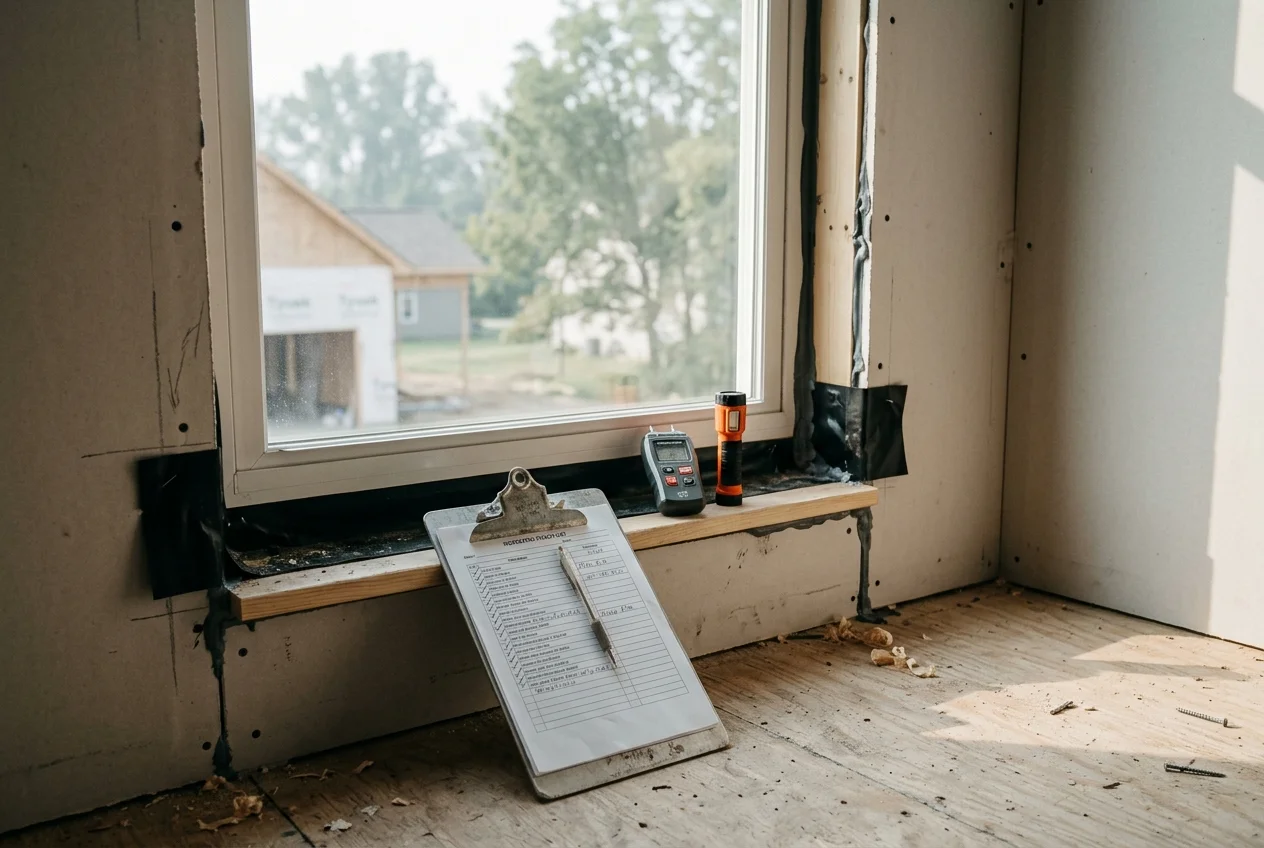
New construction still needs independent inspection thinking. A build can pass municipal inspections and still benefit from a third-party eye that focuses on workmanship, water management details, and obvious misses that a punch list should catch.
Two inspection moments matter most for new construction. A pre-drywall inspection happens while framing, wiring, plumbing, and flashing remain visible. A final walkthrough should produce a written punch list with a clear completion expectation and a documented process for follow-up.
Resale inspection scope looks different. A general home inspection covers structure, roof, HVAC, electrical, and plumbing, then add-ons can target expensive unknowns. Sewer scope and radon testing often surface surprises that a visual inspection misses, and some regions add well, septic, pest, or moisture checks.
Disclosures sit next to inspections rather than replacing them. State and local disclosure rules can shape what sellers must report, covered in real estate disclosures. Inspection findings and disclosure items both feed back into the all-in worksheet, where costs become comparable.



Every tool a listing needs, on one account
10+ tools, including social pack. Plans start at $19/mo billed yearly. Free trial credits, no credit card; free results are watermarked.
Try AI HomeDesign freeWeighing point six: HOA dues, special districts, and the first tax bill
Monthly payment comparisons break when recurring costs sit outside the mortgage. New subdivisions often add HOA dues that can change as amenities come online. Some areas also fund infrastructure through a special assessment or district-style fee that appears on the tax bill.
Tax escrow deserves extra attention for new construction. An early tax bill may reflect land only or a partial build year, so a buyer who copies that number into escrow estimates can understate the true payment after the first reassessment cycle.
Resale homes tend to offer more history. Established HOAs usually have dues history, meeting minutes, and an assessment track record. That history does not eliminate risk, but it makes verification simpler.
A clean recurring-cost check uses two sources. HOA documents settle dues, rules, and known assessments. The county assessor’s office can explain how the completed home will be assessed and when a reassessment typically hits.
Weighing point seven: resale value, sameness, and personalization
Resale value depends on the buyer pool at the time of exit, not on the buyer’s intent today. New construction can carry a special resale dynamic while a community is still building. A resale inside that community can compete against the builder’s remaining inventory, and buyers may compare against incentives offered on brand-new homes.
Established neighborhoods bring different strengths. The comps run deeper, and lot features such as mature trees and established streetscapes already exist. That difference can matter for buyers who prioritize a specific school path or commute over finish selections.
Demand also moves with buyer preferences and local supply. Agents looking for broad signals can compare features that show up repeatedly in what home buyers want in 2026.
Personalization sits inside this same resale logic. Heavy design-center spend rarely aligns with the next buyer’s taste, while a phased resale renovation can match the household’s priorities and timing. That design-to-demand connection shows up clearly in the importance of interior design in real estate sales.
Score the decision for the specific address

A scoring rubric keeps the decision tied to priorities instead of vibes. The rubric works best when it compares one new construction option against one resale option, using the completed worksheet as input.
Give each of the seven points a weight from 1 (less important) to 5 (most important), then score each home from 1 (poor fit) to 5 (strong fit). Higher scores always mean a better fit. Use the same weight for both homes. The scorecard multiplies each score by its weight and compares the totals once all seven rows are complete.
Set a weight and two scores for every row. The same seven points appear in the worksheet download.
| Criterion | Weight (1–5) | New construction (1–5) | Resale (1–5) | How to score |
|---|---|---|---|---|
| 1. True all-in cost, not base price | Lower verified all-in cost scores higher. | |||
| 2. Financing and incentives | Better loan cost over your expected hold period scores higher; include incentive conditions. | |||
| 3. Timeline, contingencies, and risk | A close date and contingencies that fit your move score higher. | |||
| 4. Condition today vs. a replacement reserve | Sound condition and a manageable replacement reserve score higher. | |||
| 5. The inspections each path still needs | Fewer unresolved inspection issues and clearer follow-up score higher. | |||
| 6. HOA dues, special districts, and the first tax bill | Verified dues, assessments, and completed-home taxes that fit your budget score higher. | |||
| 7. Resale value, sameness, and personalization | Better neighborhood fit, exit prospects, and practical personalization score higher. | |||
| Weighted total | Higher total means a stronger fit for your priorities. |
Enter scores for all seven points to compare totals.
Scores are saved in this browser when storage is available. Reset them before comparing different homes. Download the blank Excel worksheet to keep your costs and scores together.
A few “standard” rules stop applying in certain situations. A finished spec home can make a builder deal behave like resale on timeline. A resale with major deferred maintenance can swing the reserve far beyond expectations. A builder incentive tied to a narrow loan path can flip the financing math.
Commission and agent compensation also belong outside the scorecard deliverable. Those figures vary by agreement and market. A cleaner buyer-facing worksheet stays focused on home cost, risk, and fit, while an agent can address representation terms separately.
See the resale updated before ruling it out

Buyers often compare a professionally finished model home against a resale photographed as-is with the current owner’s furniture. That comparison measures presentation more than it measures floor plan, natural light, and real potential.
A fairness step fixes the mismatch. Agents can render the actual resale room photo with updated flooring, refreshed wall color, modern lighting, and right-sized furniture. Physical staging statistics focus on physical staging rather than virtual edits, but they still show why presentation changes perception, summarized in RESA home staging statistics.
This is the one spot where an AI tool can support a buyer decision without hiding reality. AI HomeDesign offers virtual staging that preserves original fixtures and structure, plus renovation tools for wall, floor, ceiling, and backsplash changes, so the actual resale room can be rendered as updated and the comparison against a model home stays fair.
Disclosure keeps the process honest. Any altered listing photo should carry clear labeling such as “Virtually staged” or “Virtual rendering.” The buyer should still price real renovations with contractor quotes, then place that quote back into the all-in worksheet.
A resale also competes better when listing presentation improves. Many of the same basics behind builder models apply to resale prep, explained in home staging tips for sellers. Agents can also use a social pack workflow after edits, so listing visuals turn into marketing posts without starting from scratch.
Once the worksheet, inspections, recurring costs, and scoring rubric sit side by side, the decision usually stops feeling abstract. The better fit becomes the option that matches timeline, budget risk, and location constraints on paper.
Frequently asked questions
Is new construction more expensive than a resale home?
It depends on the metro and the month, and the common mistake is comparing a builder base price to a resale asking price. A fair comparison prices the new build all-in, including lot premium, upgrades, landscaping, window coverings, and fencing. Then it prices the resale all-in, including inspection-driven repairs, cosmetic updates, and a replacement reserve for major systems.
Can buyers negotiate the price of a new construction home?
Yes, but builders often protect headline price because it supports comps inside the community. Many builder concessions show up as rate buydowns, closing-cost credits, or included upgrade packages instead of a straight price cut. Inventory, finished spec homes, and quarter-end timing can increase flexibility. Incentive terms still need to be in writing, with conditions and an expiration.
Is a home inspection needed on a brand-new house?
Yes. New construction benefits from a pre-drywall inspection while framing, wiring, plumbing, and flashing remain visible, plus a final walkthrough that produces a written punch list. Builder policies on third-party inspector access can differ, so that access belongs on the question list before signing. Inspection findings also belong in the all-in worksheet.
How should a buyer budget for repairs on an older resale home?
Start with a replacement reserve instead of a guess. Ask the age and remaining expected life of the roof, HVAC, water heater, windows, and main electrical panel, then get replacement quotes for each. Divide each quote by remaining years to estimate an annual set-aside. Add targeted inspections, such as sewer scope or radon, when local risk makes sense.
Will property taxes go up after buying new construction?
Often, yes. An early tax bill in a new subdivision may reflect land only or a partial build year, so escrow estimates based on that bill can understate the long-term payment. A clearer check asks the county assessor how the completed home will be assessed and when reassessment typically hits. District-style special assessments can also appear on the tax bill.
How can a buyer compare a dated resale fairly against a model home?
A model home uses professional finishes, lighting, and decor, while a resale often shows current furniture and dated surfaces. A fair comparison renders the actual resale room photo with updated flooring, cabinetry, paint, and furniture, labeled clearly as a virtual rendering. That view lets the buyer judge layout and light, then price the real renovation with contractor quotes.