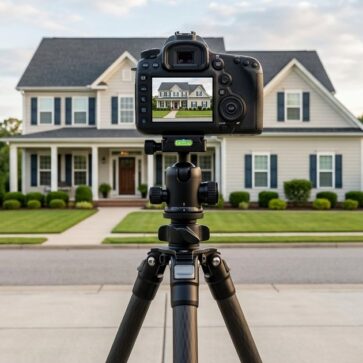
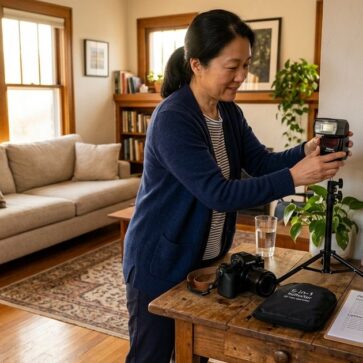
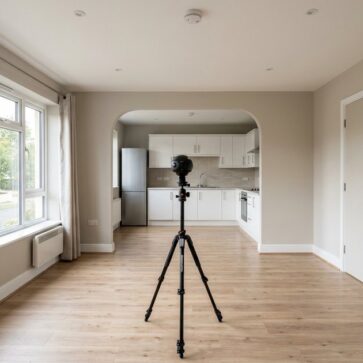
Dark corners, orange lamp glow, bright windows, and dull wall color often land in the same frame. Interior property work rarely offers perfect light. Flambient real estate photography gives photographers a method to handle those conflicts with more control. Instead of trusting one exposure to solve every problem, the workflow combines separate frames for a cleaner final image.
For many listings, HDR photography works well. For demanding rooms, flambient often earns its place. The right call depends on the space, schedule, and finish level expected.
What Is Flambient Real Estate Photography?
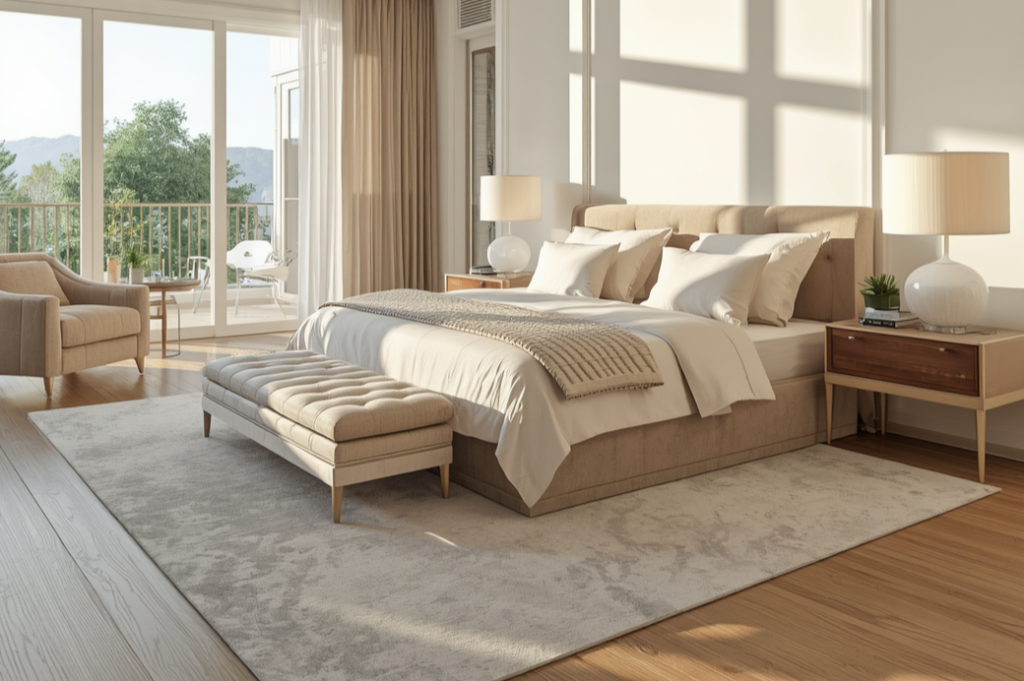
Flambient photography combines the realism of natural room light with the control of added flash. Instead of relying on one exposure to solve every lighting issue, the photographer uses separate frames that each handle a different part of the scene. In other words, flambient real estate photography blends two core captures:
- Ambient frame: records available room light, shadows, and natural mood
- Flash frame: adds neutral light, stronger detail, and cleaner color
Many photographers also add a window-pull frame when exterior views add value. Later, those images are blended in editing. Think of it as solving lighting issues at the source instead of wrestling them later.
Why Photographers Use Flambient for Interiors
Some rooms fight back. Daylight pours through windows while warm bulbs tint ceilings yellow, bathrooms bounce glare from tile and mirrors, and kitchens reflect every light source in sight.
In such scenes, flambient photography often helps with:
- Cleaner white walls and ceilings
- Better wood, stone, and cabinet detail
- More balanced shadows
- Sharper room depth
- Window views that do not wash out
- Stronger gallery consistency across a listing
This level of control helps buyers read room quality through color, light, and visible detail before they notice the technique behind the image. When done well, the image feels natural rather than flashy.
When Flambient Is Worth the Extra Time
A quick HDR set can handle many homes, but certain interiors contain lighting conflicts that need a steadier hand. Flambient real estate photography often makes sense when accurate color, balanced shadows, and clear window detail influence the final gallery. Use flambient real estate photography when the room includes:
- Large bright windows with attractive outdoor views
- Mixed daylight and tungsten lighting
- Dark interiors with uneven corners
- Luxury homes where finish quality matters
- Reflective kitchens and bathrooms
- Rooms where paint, flooring, or cabinetry color must read accurately
When Another Method Makes More Sense
Not every listing needs a multi-frame blend and a long editing session. In many routine spaces, speed, steady quality, and clean delivery carry more weight than squeezing every last drop of lighting control from the frame. Some common examples are:
- Small rentals with fast turnaround needs
- Budget shoots with large volume
- Neutral rooms with balanced daylight
- Listings where HDR already looks clean
In cases like these, exposure, color, contrast, sky, and lighting cleanup through AI Image Enhancement for Real Estate often saves time. It also helps keep delivery schedules steady when several listings need attention in the same week. For many standard rooms, broader AI real estate photo editing workflows can handle routine corrections without adding a full flambient process.
Gear Needed
Keep the setup simple. Strong results usually come from stable framing, clean light control, and careful exposure choices more than expensive equipment. A modest kit in practiced hands often outperforms a costly bag of gear used without a clear workflow.
- Camera with manual control
- Wide-angle lens
- Solid tripod
- Remote shutter or timer
- Speedlight or strobe
- Flash trigger
- Spare batteries
Step-by-Step Flambient Shooting Workflow
1. Prepare the Room
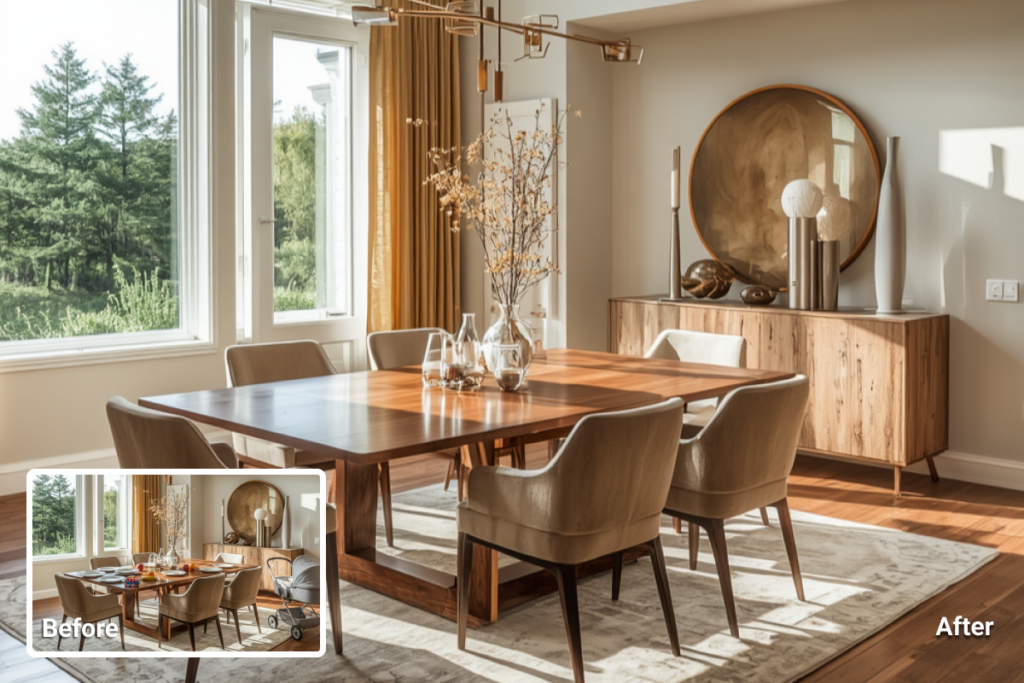
Clear small distractions before shooting, such as cords, bins, tissue boxes, and personal items. If a minor object remains in the frame, AI Item Removal helps clean it during the editing stage without turning the photo into a different room.
2. Lock Camera Position
Set tripod height and composition first. Every frame must match.
3. Capture the Ambient Frame
Use available light only. This frame holds the natural mood of the room.
4. Capture the Flash Frame
Bounce flash from a neutral wall or ceiling when possible. Direct flash often creates harsh spots.
5. Capture the Window Frame
If the outdoor view adds value to the listing, expose for the exterior and record a separate frame.
6. Capture a Repair Frame
Take one extra image for glare, reflections, or flash hotspots. It often saves headaches later.
Basic Camera Settings
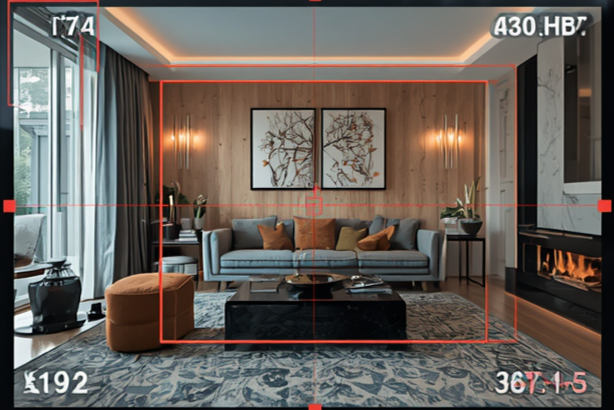
Rooms differ, so do lenses, flash output, and window brightness. A small bedroom with one window needs a different exposure plan than a large living room with glass doors and dark flooring. Treat the settings as a starting point, then adjust after checking the histogram, wall color, shadows, and window detail on site.
The following settings give photographers a reasonable place to begin:
- Aperture: mid-range for room sharpness
- ISO: low to moderate
- RAW format: yes
- Shutter speed: adjusted for ambient brightness
- Flash power: adjusted by room size and bounce surface
Review the histogram and preview image on site. If walls drift yellow or shadows collapse, adjust and reshoot.
How to Edit Flambient Real Estate Photos
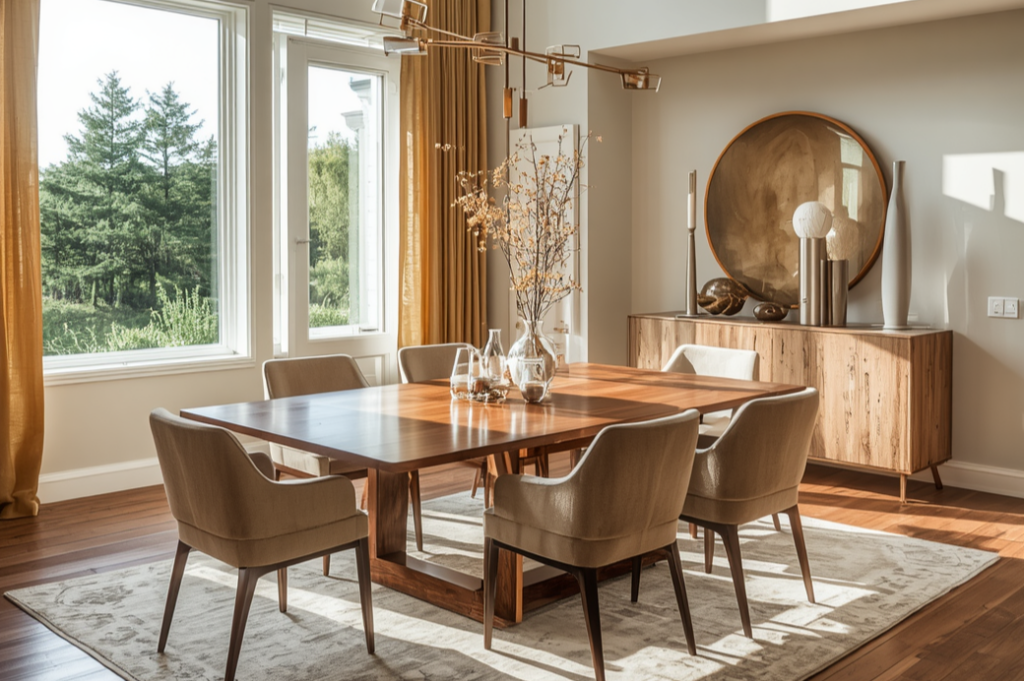
Editing is where the separate frames come together into one believable final image. The goal is not to make the room look dramatic or overly polished but rather, to keep natural depth, clean color, and balanced light while preserving the true character of the space.
Lightroom or Camera Raw
This stage prepares the files before layer blending begins. The purpose of this stage is to remove technical issues first, so Photoshop work focuses on selective blending instead of fixing basic image problems.
- Import and group frames
- Apply lens correction
- Straighten vertical lines
- Set base white balance
- Match exposure where needed
Photoshop
Photoshop handles the selective part of the flambient edit. At this stage, each frame has a job: the ambient layer keeps the room feeling natural, the flash layer improves color and detail, and the window frame restores exterior detail where needed.
- Open frames as layers
- Auto-align
- Choose a base layer
- Mask in flash detail where color looks cleaner
- Mask in the window frame if needed
- Remove hotspots and odd reflections
- Final check for color and vertical lines
HDR vs Flambient Real Estate Photography
A good workflow starts with choosing the right method for the room. HDR, flambient, single exposure, and AI enhancement each solve a different level of lighting difficulty.
The table below gives a simple way to compare them before deciding how much capture and editing time the room deserves.
Method | Best Use Case | Speed | Editing Load | Window Control | Color Control |
Single Exposure | evenly-lit interiors | Fast | Low | Limited | Limited |
HDR | Standard listings | Fast | Moderate | Good | Good |
Flambient | Difficult interiors | Slow | High | Strong | Strong |
AI Enhancement | Usable captures needing polish | Fast | Low | Varies | Good |
Each method has a place in a professional workflow. The best choice depends on the lighting, room type, turnaround time, and final image standard. Smart photographers choose the method that suits the room.
Common Flambient Mistakes
Most flambient problems come from too much correction, not too little. The final photo should still feel like a real room, not a lighting experiment. Clean blending, controlled flash, and believable color matter more than making every corner equally bright.
- Too much flash that flattens the room
- Crooked vertical lines
- Dirty window masks
- Mixed color casts left uncorrected
- Bright interiors that look fake
- Ignoring reflections in mirrors or steel appliances
- Rushing alignment between frames
Disclosure and MLS Rules
Editing rules vary by MLS and region, so verify local requirements for virtual edits, object removal, image enhancement, or any other types of edits before publishing listing photos.
As a general rule, no edit should misrepresent the property by adding or removing permanent fixtures, changing defects, or altering features that affect the buyer’s understanding of the home.
Final Thought
Flambient real estate photography remains a strong option for rooms with difficult light and important detail, but it is not a mandatory step for every listing. Some homes need HDR, some need quick polish that can be handled with AI, and some need the deeper control that flambient brings. The room usually tells the truth, and good photographers listen.
FAQs
Is flambient better than HDR?
No. HDR and flambient serve different situations. HDR works well for many evenly lit interiors and faster shoots. Flambient gives more control when mixed lighting, color casts, dark corners, reflective surfaces, or bright window views create problems.
How many frames do most flambient shoots need?
Usually two to four: ambient, flash, window frame, and an optional repair frame.
Can beginners learn flambient?
Yes. Beginners can learn flambient photography by starting with simple rooms, a locked tripod position, and one clean ambient frame plus one flash frame. Clean alignment matters more than complex lighting at the beginning.
When is flambient photography necessary for a listing?
Flambient photography is most useful when standard HDR or single-exposure photos cannot handle the room cleanly. It works best in interiors with mixed lighting, dark corners, reflective finishes, large bright windows, or important exterior views. Kitchens, bathrooms, and living rooms with strong daylight often benefit the most.
Does flambient always need a window-pull frame?
No. Use a window frame when the exterior view adds value or the windows blow out badly. Many rooms look fine with only ambient and flash frames.