Real Estate Photography Insurance: Shoot-Day Checklist
In short
- Access paperwork first: general liability and correct COIs often decide whether a shoot can happen.
- Protect the business: equipment, professional liability, drone liability, and cyber coverage address the real operational risks.
- Disclose edits clearly: label virtually staged and enhanced images and retain the originals.
A real estate shoot feels routine until it isn’t. A tripod foot leaves a mark on a refinished floor, a light stand tips into a display cabinet, or a property manager emails asking for a certificate before releasing access.
This guide covers the shoot-day risks that keep coming up in residential listings and small commercial sites, plus the paperwork steps that stall bookings. It also fits into the broader set of real estate photography fundamentals that make a photographer easy to hire.
This article shares general information, not legal or insurance advice. Coverage, eligibility, and policy wording vary by carrier and state, so a licensed broker in the state should translate these scenarios into binding answers.
Why real estate shoots raise insurance questions that other photo work does not
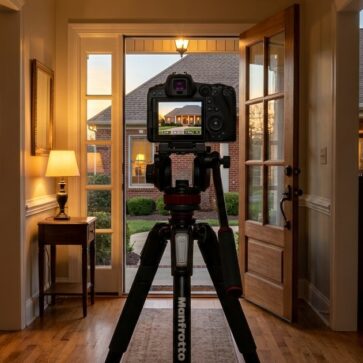
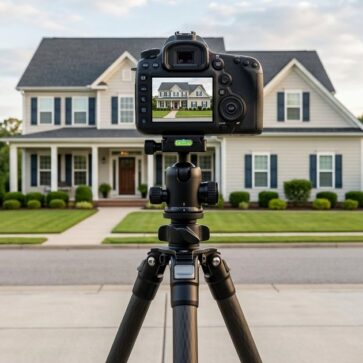
Real estate photography puts expensive gear inside someone else’s property, often without an owner present. Shoots happen around pets, kids, fragile décor, and tight hallways. Even careful crews bump door frames and drag a bag across a threshold.
The work also repeats at high frequency. A wedding photographer may work one venue all day. A real estate photographer may hit three addresses, load gear in and out, and park on busy streets between appointments. That cycle increases the odds of small accidents.
The vendor side adds another layer. Brokerages, property managers, and commercial owners increasingly treat photographers like any other vendor. Access may depend on proof of coverage, correct paperwork, and a legal entity name that matches the contract.
real estate photography insurance coverage lines to ask about
Insurance for this niche breaks into two buckets. One bucket helps a client feel comfortable granting access. The other bucket protects the business assets that keep the calendar full.
General liability and the paperwork clients request
General liability is designed to respond to third-party bodily injury and third-party property damage tied to a shoot. It is also the coverage most often requested on a certificate of insurance.
A common booking-time detail gets missed: clients may ask to be listed in a specific way. A certificate holder line provides evidence, but an additional insured request usually requires an endorsement that changes the policy.
Equipment coverage and the off-premises theft questions
Equipment coverage is often written as inland marine coverage for cameras, lenses, tripods, lighting, and computers used for paid work. Personal lines coverage often falls short once the gear earns income.
The details that matter on location show up in the schedule and the exclusions: theft from a vehicle, off-premises use, rented or borrowed gear, per-item limits, and whether valuation uses replacement cost or actual cash value. Building the schedule starts with a realistic list of the gear that actually goes into a listing shoot.
Professional liability and disputes about the deliverable
Professional liability is often called errors and omissions coverage. It is designed for claims about the work itself, not physical damage at the property.
Real estate examples include alleged misrepresentation tied to edited photos, missed deadlines, scope disputes over what was included, or licensing disagreements about how images were used. This coverage often becomes relevant when a buyer complaint lands weeks after the shoot.
Drone and aerial liability as a booking-time flag
Aerial work changes the insurance conversation. General liability commonly excludes aircraft and aerial operations, so drone work often requires a dedicated drone liability policy or endorsement.
Operational issues still matter, but they sit next to coverage, not inside it. A broker should also be told about privacy allegations and airspace approvals as part of the underwriting conversation. Aerial workflows and restrictions belong in real estate drone photography requirements.
Cyber and data coverage for files, galleries, and client data
Client work lives on laptops, SSDs, phones, and cloud galleries. Cyber and data coverage is designed for losses related to cyber attacks and related response costs.
This coverage does not replace backups or access control. It simply shifts some of the financial risk when a breach or ransomware event hits a working archive.
Business add-ons that show up with growth
Growth adds exposures that basic photography coverage may not address. Workers’ compensation often becomes relevant once there are employees. Commercial auto and commercial property come up once driving and owned space become part of the operation.
A licensed broker can map the business structure, crew model, and driving pattern into the right mix of policies.
Shoot-day scenarios and the coverage line designed to respond
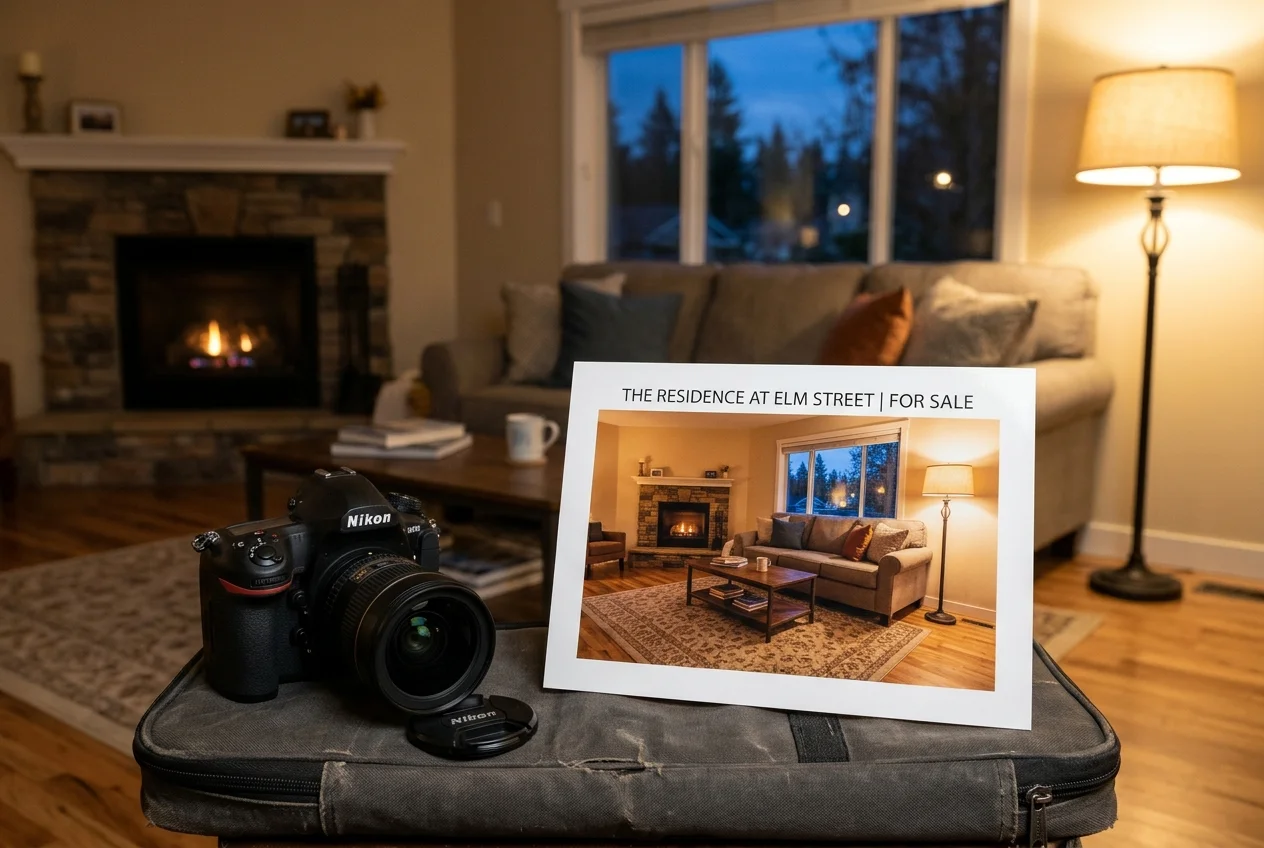
A coverage discussion moves faster when it starts with the accident, not the policy name. These examples describe the coverage line designed to respond, while the policy wording still decides whether a specific claim gets paid.
A tripod foot scratches a refinished hardwood floor in an occupied home. General liability is the line designed for third-party property damage. The decision point is often whether the incident ties clearly to the work and whether any exclusions apply.
A light stand tips into a seller’s glass cabinet. General liability remains the first line to ask about. The practical operational detail is documenting the incident immediately, before the homeowner repairs or disposes of the damaged item.
A visitor slips on a wet entry floor while the crew is setting up. General liability is the line designed for third-party bodily injury claims. The key detail to ask a broker about is how defense costs work on that policy.
A drone clips a gutter on a tight suburban lot. Drone liability is the booking-time flag; many general liability forms treat aerial work as excluded. The claim outcome depends on the aviation wording and any endorsements.
A camera bag is stolen from a car between back-to-back listings. Equipment coverage is the line designed to respond, but vehicle-theft wording often controls the outcome. A broker should walk through what “unattended vehicle” means on the actual form.
A buyer complains that a virtually staged photo misrepresented a room. Professional liability is the line designed for claims about the deliverable. The most useful control is disclosure and retaining originals, which makes the dispute easier to resolve.
A laptop with an undelivered gallery disappears after a shoot. Equipment coverage may address the device, while cyber coverage may apply if client data exposure triggers response obligations.
Per-occurrence and aggregate limits, in plain English
A per-occurrence limit caps what the policy will pay for one claim. A floor-damage claim from a single shoot typically hits that number first.
An aggregate limit caps what the policy will pay across all claims during the policy term. Multiple small incidents can stack into a year where the aggregate matters more than the per-occurrence number.
This structure explains why clients often ask for both numbers. A photographer who works high volume may face several small property-damage claims across a year, even with careful crews.
A broker can also clarify one detail that changes the math: whether defense costs sit inside the limit or outside it on the form being quoted.
Certificates of insurance and additional insured requests
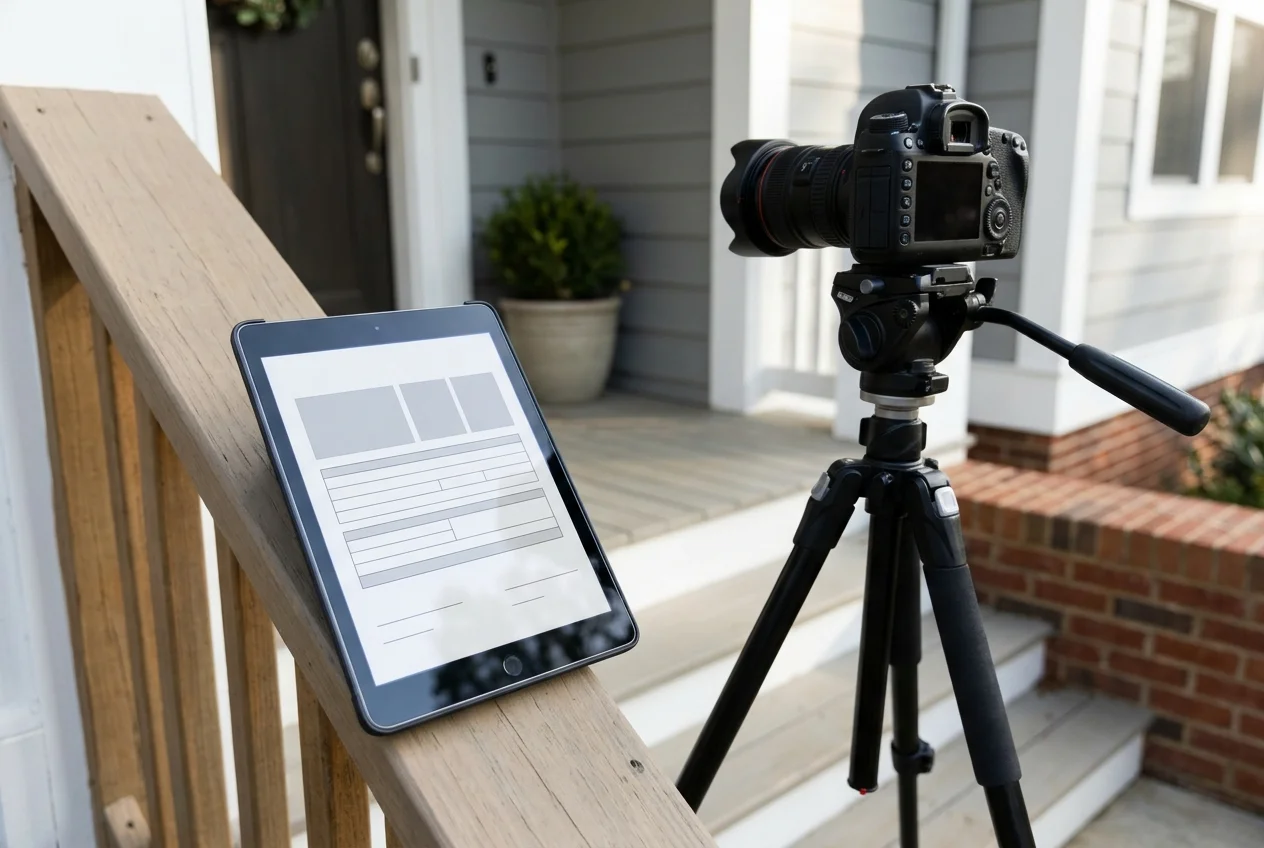
A certificate of insurance is evidence of coverage. It does not change coverage by itself.
A certificate holder line usually means the requester wants proof that coverage exists. An additional insured request is different. It typically requires an endorsement, changes who has rights under the policy, and often takes longer to process.
Commercial owners and property managers may also request a waiver of subrogation. That request should be treated like an endorsement conversation, not like a quick certificate re-issue.
Paperwork delays most often come from basics, not limits. Entity names, addresses, and exact request wording drive rejections. Shoots run smoother when requirements are collected at booking and pushed to the broker with lead time.
A practical lead-time benchmark: send the requirements to the broker at least 5 business days before a shoot date, and expect endorsements to take 3 to 7 business days when an underwriter must review the request.
Deliverable rule that avoids oversharing: send the certificate and any requested endorsements. Keep full policy documents, schedules, and internal valuation detail out of the client-facing packet unless the broker advises otherwise.
Commercial sites add onboarding friction beyond insurance. Vendor portals, escorts, and badge rules show up more often on commercial listing shoots.
Booking email script to collect COI requirements
Subject: insurance requirements for [property address] shoot

Hi [name],

Please confirm the insurance paperwork needed before the shoot.

1) Exact legal entity name and mailing address to list on the certificate
2) Limits required
3) Certificate holder only, or additional insured endorsement required
4) Waiver of subrogation required or not
5) Deadline for receipt of the certificate and any endorsements

Once confirmed, the request will be sent to the insurance broker for processing.

Thanks,
[name]
[company]
[phone]
Align the contract language with the policy
Insurance responds to certain triggers. Contracts can promise far more than a policy will address.
Before signing a new vendor agreement, it helps to review indemnity language, hold-harmless clauses, and reshoot obligations. A mismatch creates a situation where the contract expects reimbursement but the policy excludes it.
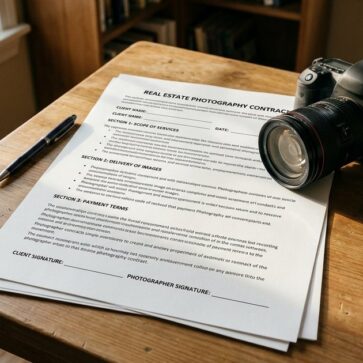
Contract terms and photography deliverables deserve their own review. A practical starting point is your photography contract’s liability and reshoot clauses.
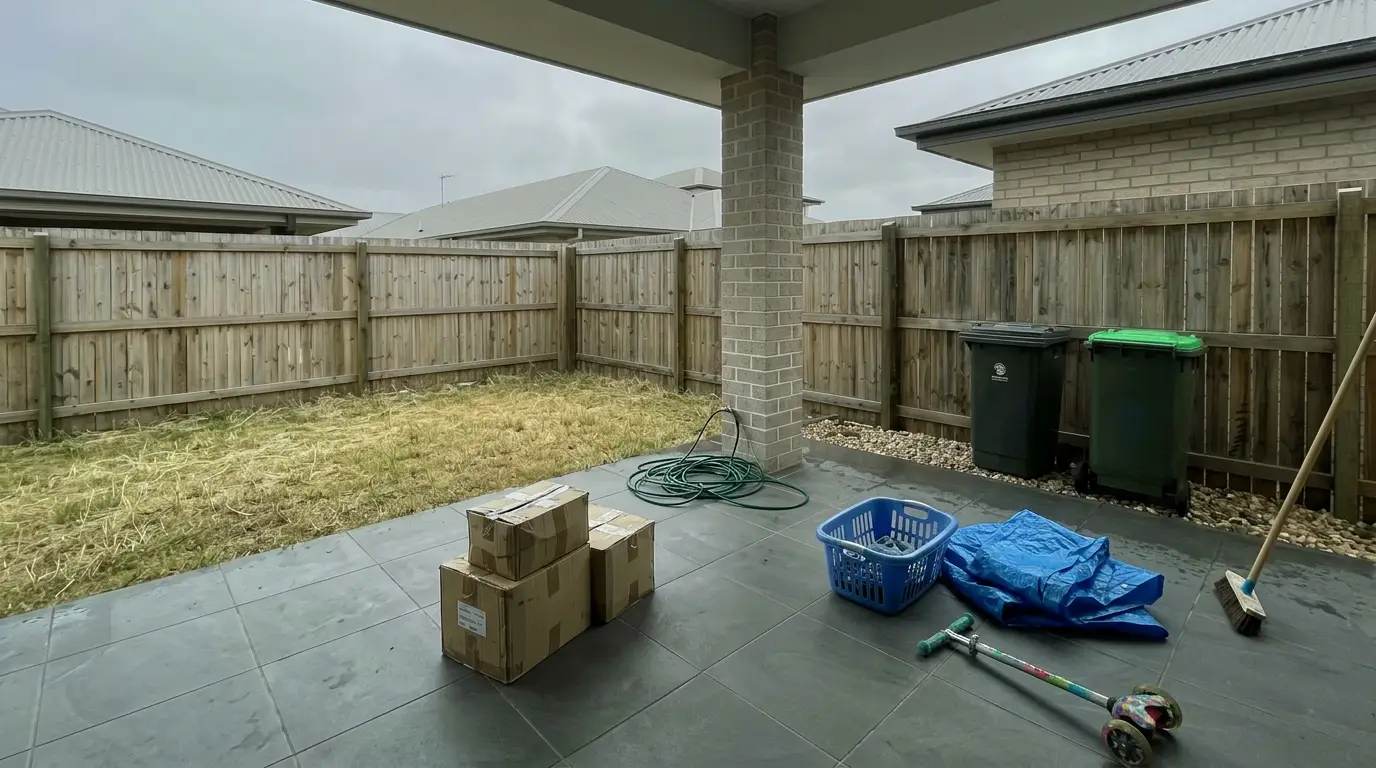
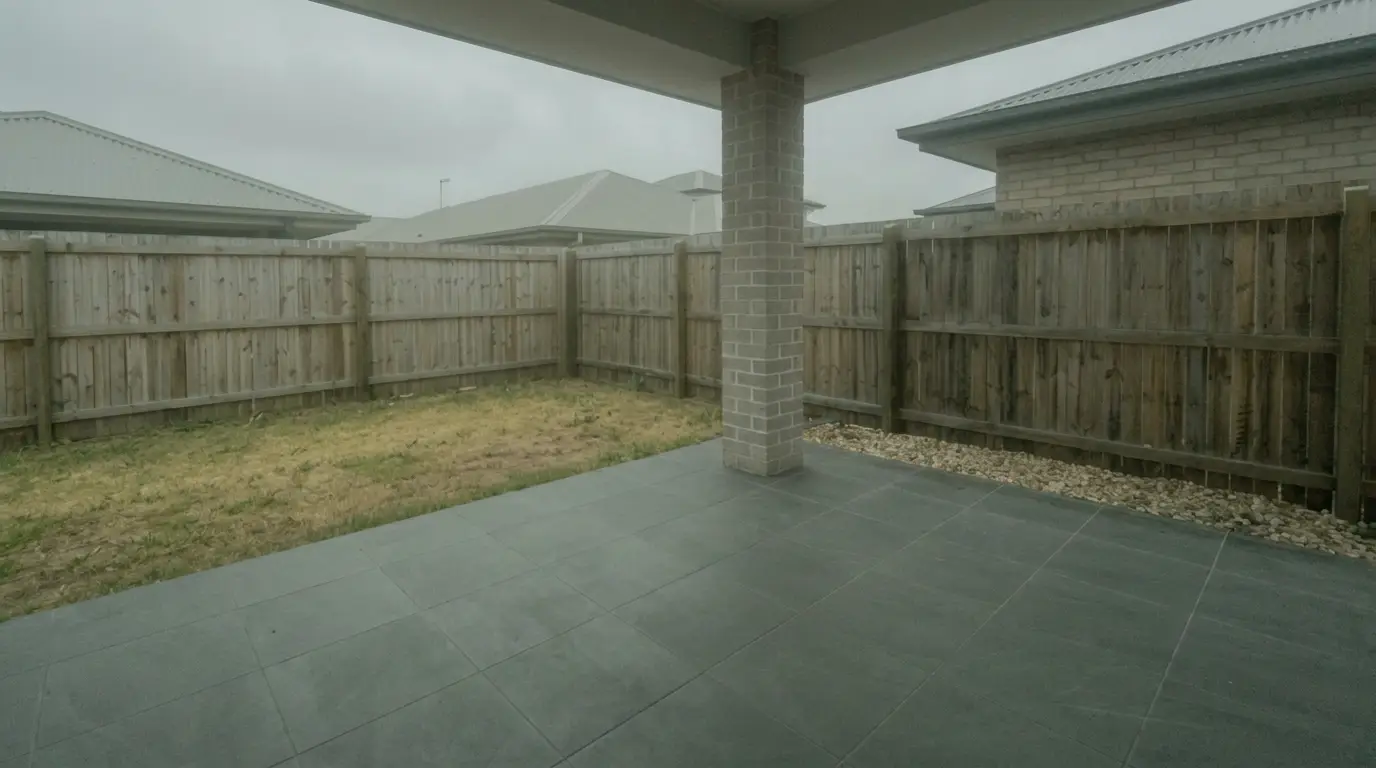
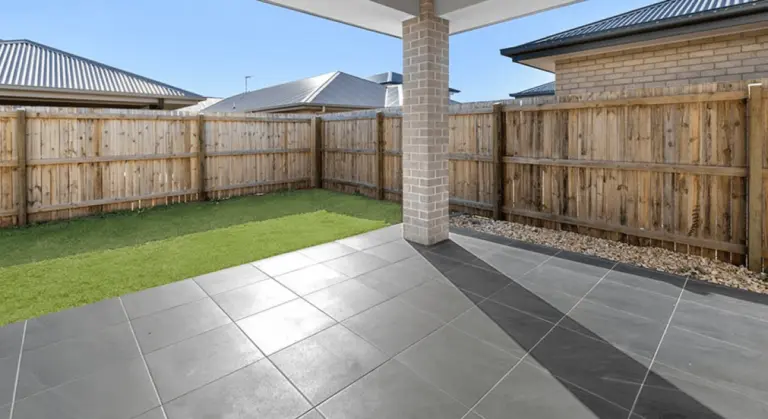
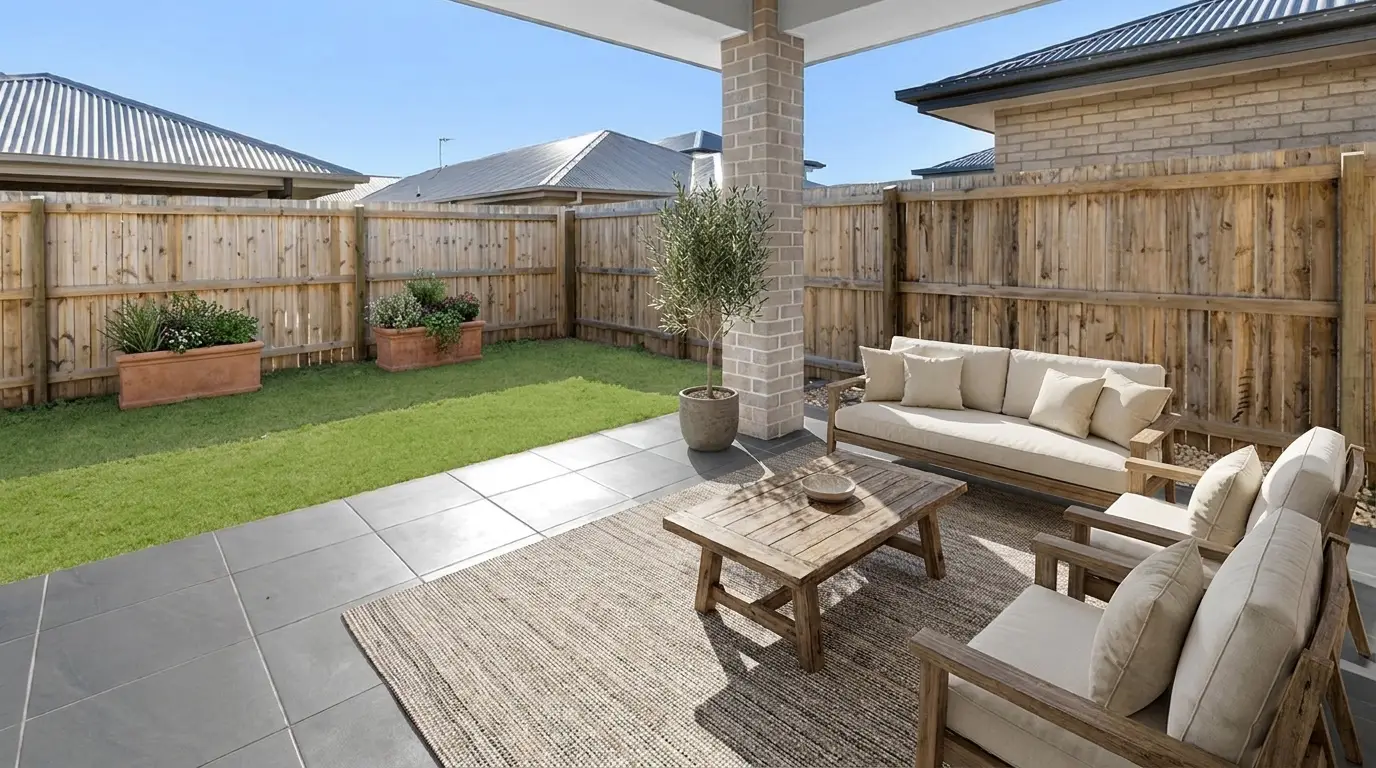
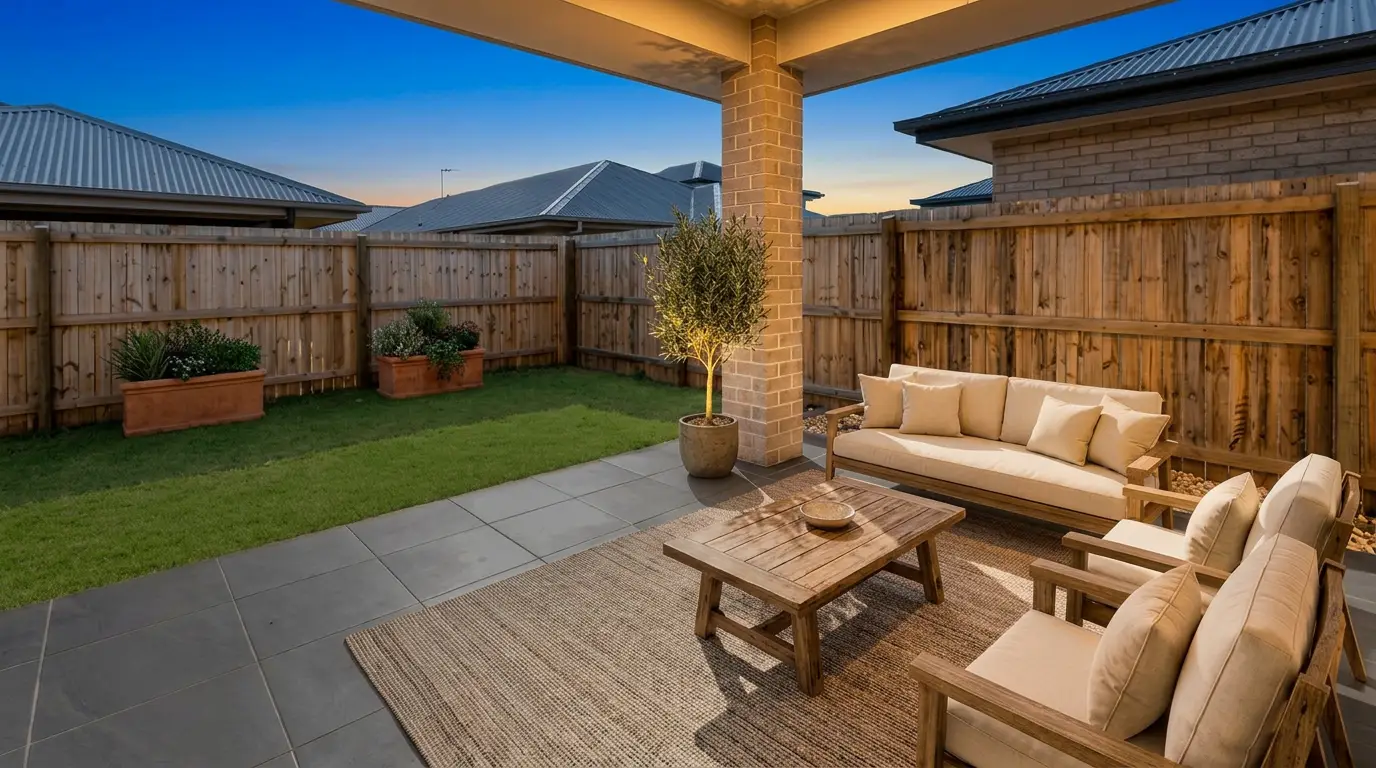
Get listing-ready photos in seconds
Clutter, exposure and twilight handled in one pass. 10+ tools, including social pack. Free trial credits, no credit card.
Start editing freeWhat coverage costs and how to price it into a shoot
Published figures help sanity-check quotes, but they are not universal. Premiums change with revenue, state, employee count, drone use, and requested limits, so a broker quote is the only binding number.
Published entry points that show how wide pricing can be
Full Frame Insurance advertises photography insurance starting from $129/year, and it lists a $2,000,000 annual limit included with Annual Plus and Annual policies while noting that optional drone liability and optional cyber liability are not available for Event policies.
A separate guide at narrative.so cites PPA Full Plus membership at $428/year including $1M liability, and it cites roughly $504/year for a standalone general liability policy for photographers earning $125,000 or less in annual revenue. Those figures illustrate why photographers should compare a bundle against buying liability and equipment coverage separately.
A simple way to bake annual premiums into per-shoot pricing
Insurance is an annual overhead number. A clean pricing habit divides that annual cost across the shoots completed in a typical year, then builds the result into the baseline shoot rate.
This approach keeps rates stable and avoids a confusing line-item surcharge on an invoice. Client-facing quotes can stay focused on the deliverable, not the photographer’s overhead.
Pricing also depends on what the market will bear and what the deliverable includes. A useful reference point is what photographers charge per shoot.
Where photographers commonly shop for coverage
A broker can quote many markets, but photographers often start by reviewing how common providers describe their coverage and workflows.
Pro Photographer Insurance highlights an online buying flow and advertises features such as general liability limits up to $6M/$7M and unlimited certificates on its real estate photographer page at Pro Photographer Insurance by RVNA.
Full Frame Insurance positions speed and simplicity, including its “covered in 10 minutes or less” claim and its published annual entry price. It also emphasizes that policies have conditions, limitations, and exclusions and that the policy document governs details.
NEXT Insurance positions coverage as part of a broader small-business program for photographers, including general liability plus discussions of workers’ compensation, commercial auto, and commercial property on its photographer insurance page.
PPA’s general liability program is often evaluated as part of a membership bundle, since the third-party guide cited earlier describes membership including liability and secondary equipment coverage.
Shopping is easier when it stays focused on the terms that bite on location: equipment valuation basis, theft-from-vehicle wording, aerial exclusions, and certificate turnaround.
Labeling edited and virtually staged images to reduce disputes

Disputes often start with confusion, not with editing. A clear disclosure habit lowers the odds that a buyer, seller, or broker reads an edited image as an as-is representation.
A practical workflow uses two habits: label edited images at delivery and keep the unedited originals on file. Straightforward disclosure text is usually enough for internal clarity, such as “Virtually staged,” “Digitally enhanced,” “Item removed,” or “Day-to-dusk conversion.” MLS rules and state law vary, so the exact wording should be confirmed locally.
Edits should stay honest about what is permanent. Furniture, décor, and lighting can change. Fixtures and structure should remain true to the original photo set.
One common workflow pairs disclosure with fast edits using AI real estate photo editing. AI HomeDesign includes AI Virtual Staging, Day to Dusk, Item Removal, and Image Enhancement on every plan, and it is MLS-compliant by default because it preserves original fixtures and structure. It also supports 15 room types across 10 styles, with watermarked results on the free trial and watermark-free downloads on paid plans.
Capture and delivery choices also affect how well edits hold up to questions later. A solid baseline process for clean source photos lives in shooting a property for virtual staging.
Pre-shoot coverage checklist that prevents day-of delays
This checklist separates what clients usually need before granting access from what protects the business even when nobody asks.
Client access and vendor onboarding items
Checklist
0 of 5 doneBusiness protection items
Checklist
0 of 5 doneThis checklist still ends at the same place: a licensed broker in the state should review revenue, gear lists, drone use, and the highest limits a client has ever requested, then produce quotes that match the actual work.
Frequently asked questions
Do real estate photographers need liability insurance?
Liability insurance is often a practical requirement for access, even when it is not legally required to take paid photos. Brokerages, property managers, and commercial owners may ask for proof of general liability before releasing lockbox access or approving a vendor. General liability is usually what clients ask about, while equipment coverage, professional liability, and cyber coverage protect the photographer’s business.
What liability limits do brokerages usually ask for?
A $1M per occurrence and $2M aggregate structure is the limit format many photographers see requested, especially from brokerages and property managers. Higher requirements show up more often on commercial and institutional sites. Pro Photographer Insurance by RVNA advertises general liability limit options up to $6M/$7M, but the right limits depend on the requesting party and the shoot scope.
Does a homeowner’s policy cover camera gear used for paid shoots?
Camera gear used to earn income often falls outside what personal homeowner’s or renter’s insurance is designed to cover. That gap is why photographers ask brokers about equipment coverage, often written as inland marine. The details to confirm are off-premises use, theft from a vehicle wording, rented or borrowed gear, and whether the policy uses replacement cost or actual cash value.
Does general liability cover drone shots for real estate?
General liability commonly excludes aircraft and aerial operations, so drone work often needs a dedicated drone liability policy or an endorsement. Full Frame Insurance lists optional drone liability as an add-on and notes it is not available on its Event policies. Aerial work should be declared at booking so the broker can match coverage to the scope and flight profile.
What is the difference between a certificate holder and an additional insured?
A certificate holder receives evidence that coverage exists, usually on a certificate of insurance. An additional insured is typically added by endorsement and gains certain rights under the policy, which is why the request often takes longer. Many paperwork rejections come from a mismatch in the legal entity name or address, so collecting the exact entity details early prevents delays.
How much does photography insurance cost per year?
Annual cost varies by state, revenue, headcount, drone work, and requested limits, so a broker quote is the binding number. Full Frame Insurance advertises photography insurance starting from $129/year. A guide at narrative.so cites PPA Full Plus membership at $428/year including $1M liability and roughly $504/year for a standalone general liability policy for photographers earning $125,000 or less in annual revenue.