Real Estate Videographer Near Me: Hiring and Cost 2026
In short
- Write the scope: named deliverables, formats, licensing, and dates stop quotes from moving.
- Price the inputs: edit hours, cut count, crew size, and usage rights usually drive the bill.
- Protect launch timing: put turnaround, revisions, and an unbranded MLS cut in writing.
A search for a real estate videographer near me often ends with two quotes that feel impossible to compare: one in the low hundreds, another well over a thousand. Most listings land roughly in the $150–$3,000+ range, but the spread usually comes from scope, not from anyone “overcharging.”
Video has become a default listing deliverable in 2026, especially for social-first markets. Still photos carry the portal gallery, but video shapes first impressions and helps prospects feel the flow.
The fastest way to get a fair quote is to write the scope first, then shop. The sections below spell out deliverable types, a copy-paste scope checklist, quote math, and the contract terms that keep a listing launch on schedule.
Why Listing Video Matters in 2026
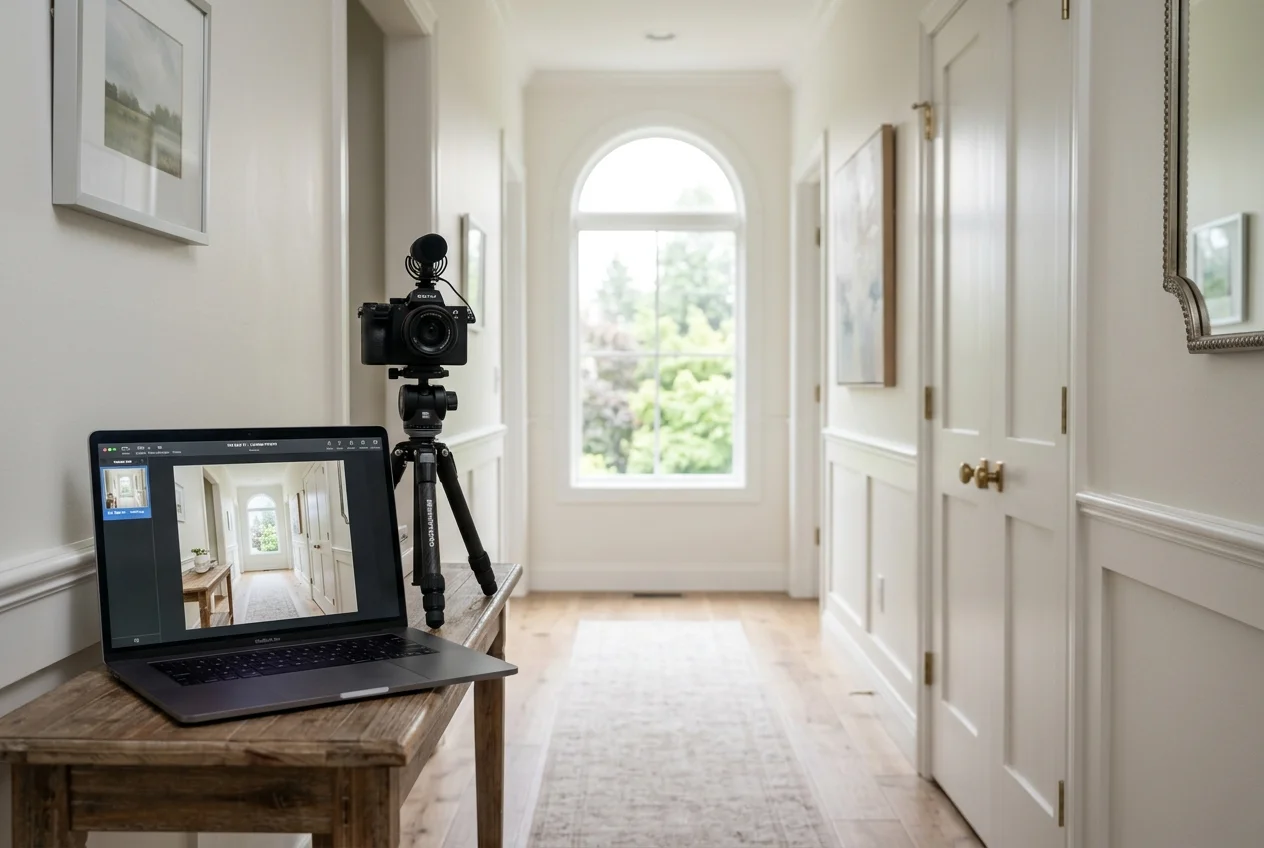
Buyers now expect motion alongside stills. That shift shows up in how agents allocate marketing spend and which tools get used on each listing. The latest National Association of REALTORS research on agent tech use helps frame why video and tours sit in the same “standard toolkit” bucket now, not the luxury bucket, as covered in the REALTOR® Technology Survey.
Video also reduces the buyer’s uncertainty early. A clean walkthrough answers, “how do these rooms connect,” faster than a slideshow. That clarity matters most when a listing competes with several similar options and the buyer scrolls quickly.
Scheduling pressure drives most hiring mistakes. A listing that goes live in the next 7–14 days needs a deliverable date in writing, not a casual “should be fine.” Video editing usually takes longer than photo editing, so the timeline needs to be scoped just as tightly as the shot list.
A practical mindset helps: video is one line item inside a visual package, not the whole package. For the still-photo side of the plan, this guide pairs well with the real estate photography guide for beginners, since stills and video share the same shoot-day constraints.
What a Real Estate Videographer Actually Delivers
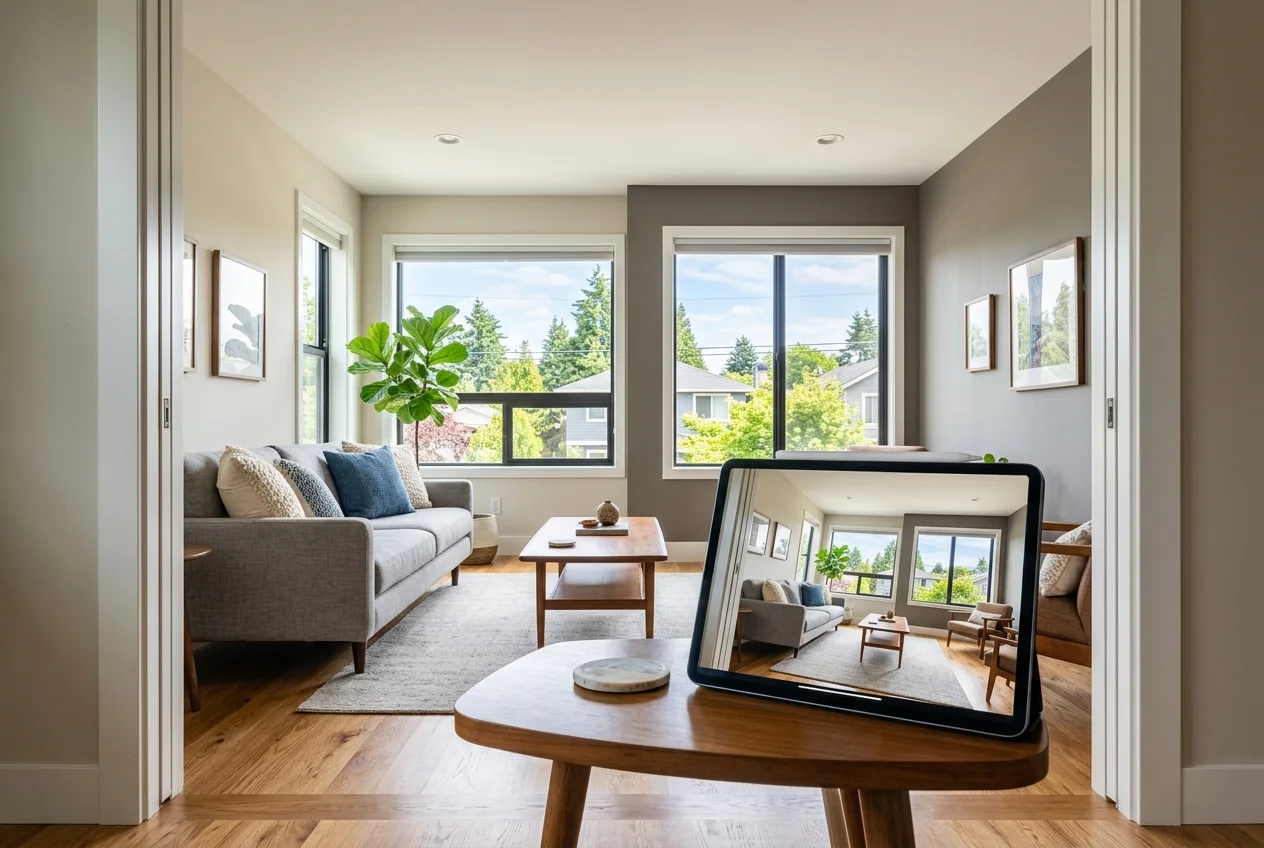
“Listing video” is a label, not a deliverable. Quotes swing because different vendors picture different end products. A steady MLS walkthrough, a cinematic film, a vertical reel pack, and an agent-hosted tour each require different gear, crew time, and edit time.
A walkthrough tour aims to document the layout. It favors stable movement, clean window exposure, and an easy-to-follow sequence. Many teams also ask for an unbranded cut for MLS use, plus a branded cut for social and email.
A cinematic listing film aims to sell a lifestyle. It relies on b-roll, slower pacing, and a stronger color grade. That style often increases edit time, even if the on-site shoot feels short.
Vertical reels are their own product. They need a fast hook, tighter framing, and captions for silent viewing. For deeper craft and strategy, the companion guide on real estate videography covers how teams plan story, pacing, and shot order.
Video vs 3D Tours vs Still Photos
Video sells feeling and flow. It works well for social, email, and listing presentations. It does not let a remote buyer pause, measure, and self-navigate at will.
A 3D tour does the opposite job. It answers “how does this house fit together” and supports relocation buyers, larger floor plates, and new construction. In those cases, Matterport 3D tours can outperform a polished film at reducing confusion about layout.
Still photos still carry the portal listing. Buyers scan the photo grid first, then choose whether to click into video or a tour. That makes stills the non-negotiable baseline, even on listings with large video budgets.
A clean decision rule helps keep spend rational. Lifestyle locations and luxury presentation lean toward a cinematic film. Layout-heavy properties and remote-buyer markets lean toward 3D. Every listing still needs a strong photo set.
The Scope-of-Work Checklist to Send Before Asking for a Price
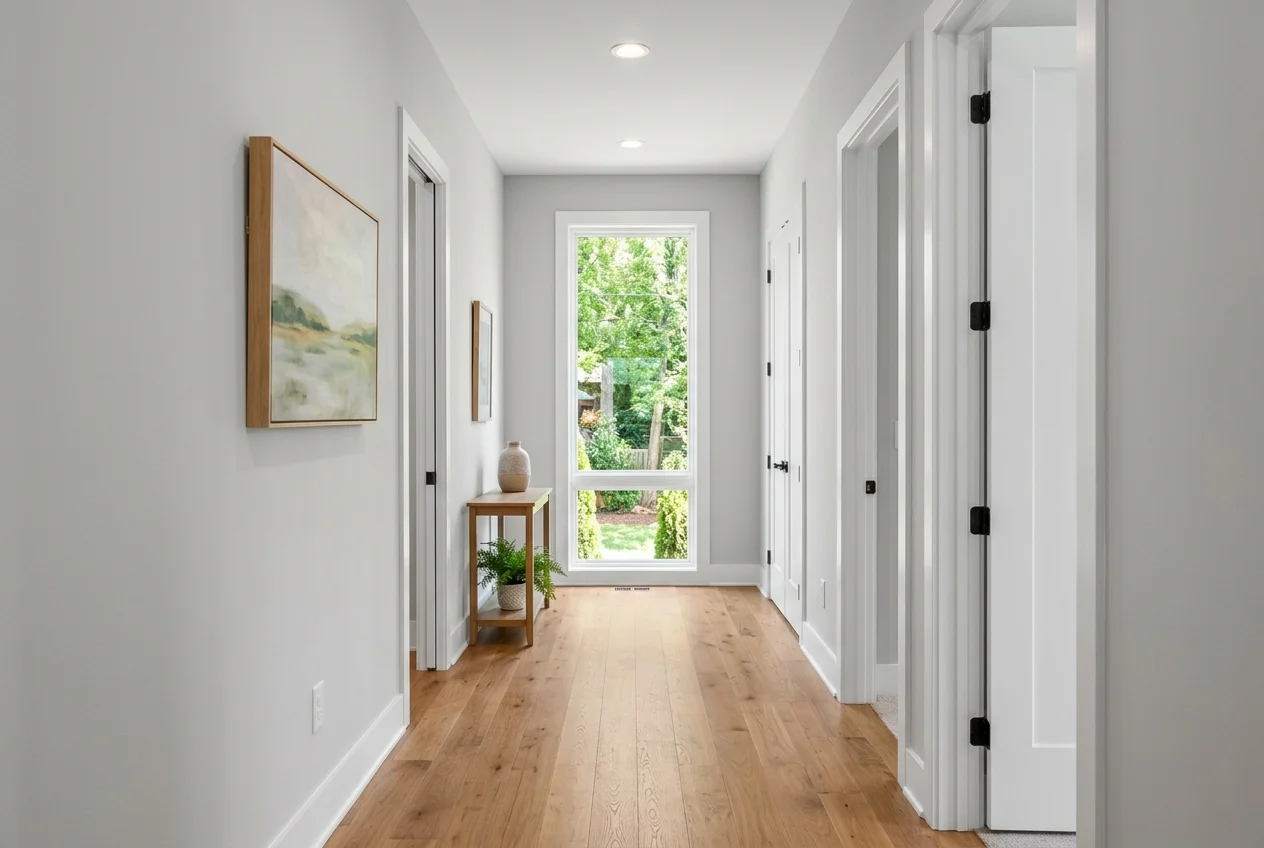
Bad outcomes rarely start with camera work. They start with a vague ask like “need a video,” followed by a quote that changes once deliverables get clarified. A written scope turns pricing into apples-to-apples comparison.
The scope should hold only quotable facts: deliverables, formats, licensing, revision rules, and dates. Strategy items belong in a call. Examples include seller motivation, pricing narrative, and which buyer persona the ad targeting should hit.
Commission figures also do not belong in the scope or contract. A videographer quote should stand on its own as a marketing expense line item. That separation keeps approvals cleaner and avoids renegotiation when the listing strategy shifts.
Copy and paste this checklist into an inquiry email, then fill the brackets:
Two scope items get missed most often and cost the most to fix later: the unbranded MLS cut and the music license that covers paid ads. Put both in writing in the first message.
Template inquiry email:
Subject: Listing video scope and quote request

Hello [Name],

Please quote the scope below and confirm availability for [shoot date].

Property: [address area], [occupied/vacant]
Deliverables: [walkthrough / cinematic film / vertical reels / agent-hosted]
Runtime: [target length]
Aspect ratios: [16:9], [9:16], [1:1 if needed]
Branding: [branded cut], plus [unbranded MLS cut]
Captions: [burned-in / SRT]
Music license: [organic only / includes paid ads]
Drone: [yes/no]
Revisions included: [count] and definition of “revision”
Delivery deadline: [date tied to go-live]
Raw footage: [included/excluded]

Thanks,
[Name]
[Brokerage]
How to Find a Real Estate Videographer Near Me
Finding a capable operator is easier than it looks, but the sourcing channel matters. General videographers often shoot events or brand content. Real estate work has its own constraints, like consistent window exposure, fast delivery windows, and versions that match MLS rules.
A strong first call is often the existing real estate photographer. Many studios add video, or subcontract it, which keeps scheduling simple and color consistent across the gallery. The directory of real estate photographers by city also helps, since many local photography teams list video as an add-on even when “video” is not in the business name.
Marketplaces can widen the funnel fast, but they do not vet real estate competency automatically. A short hiring guide like An Agent’s Guide to Hiring a Real Estate Photographer maps well to video hiring too, since the buyer-side checks overlap: portfolio fit, insurance, turnaround, and clear deliverables.
Social search works when the portfolio matches the market. Searching the metro name plus “listing video” on Instagram or YouTube surfaces recent work and current style. A reel full of luxury homes may not translate to a starter condo, and the reverse is also true.
The table below shows two commonly used sourcing models that influence buyer expectations, using published photography-side benchmarks to frame a photo-plus-video budget. Marketplace terms are stated on Thumbtack’s real estate photographers category page, and Snappr’s packaged-shoot pricing appears in RubyHome’s real estate photography cost roundup. Both sources accessed September 2026.
| service model | example | what is published | what it helps with | what it does not guarantee |
|---|---|---|---|---|
| marketplace quote requests | Thumbtack | free to use to request quotes | fast access to local pros, reviews, and work history | real estate specific standards still need vetting |
| packaged shoot pricing | Snappr | from $149 per shoot, with a premium 2-hour package shown as $356–$636 by city | a predictable baseline for photo budgeting | a named local operator and a consistent style match |
Photography-side benchmarks help frame bundled budgets, not video-only pricing.
Named-Metro Price Examples and Google Business Profile Vetting
Rates track local cost of living and how crowded the vendor pool is. Los Angeles runs materially higher than Phoenix or Dallas–Fort Worth once on-camera talent, gated-community access, or paid-ads music licensing enter the scope, while Phoenix tends to sit lowest of the three because a deep bench of listing photographers already bundles video as an add-on. Real estate videographers rarely publish a rate card, so instead of budgeting from a published range, get two or three local bids built on the same written scope and compare those.
The local pack doubles as a vetting tool. Search “real estate videographer” plus the metro name, then open each Google Business Profile in the results and check three things: that the stated service area actually covers the listing’s suburb, that recent photo and video posts show interiors rather than weddings or events, and that reviews name turnaround times and MLS-ready cuts. A profile with no listing work in the past year, or with reviews only from event clients, usually signals a general videographer who would be learning window exposure on your listing.
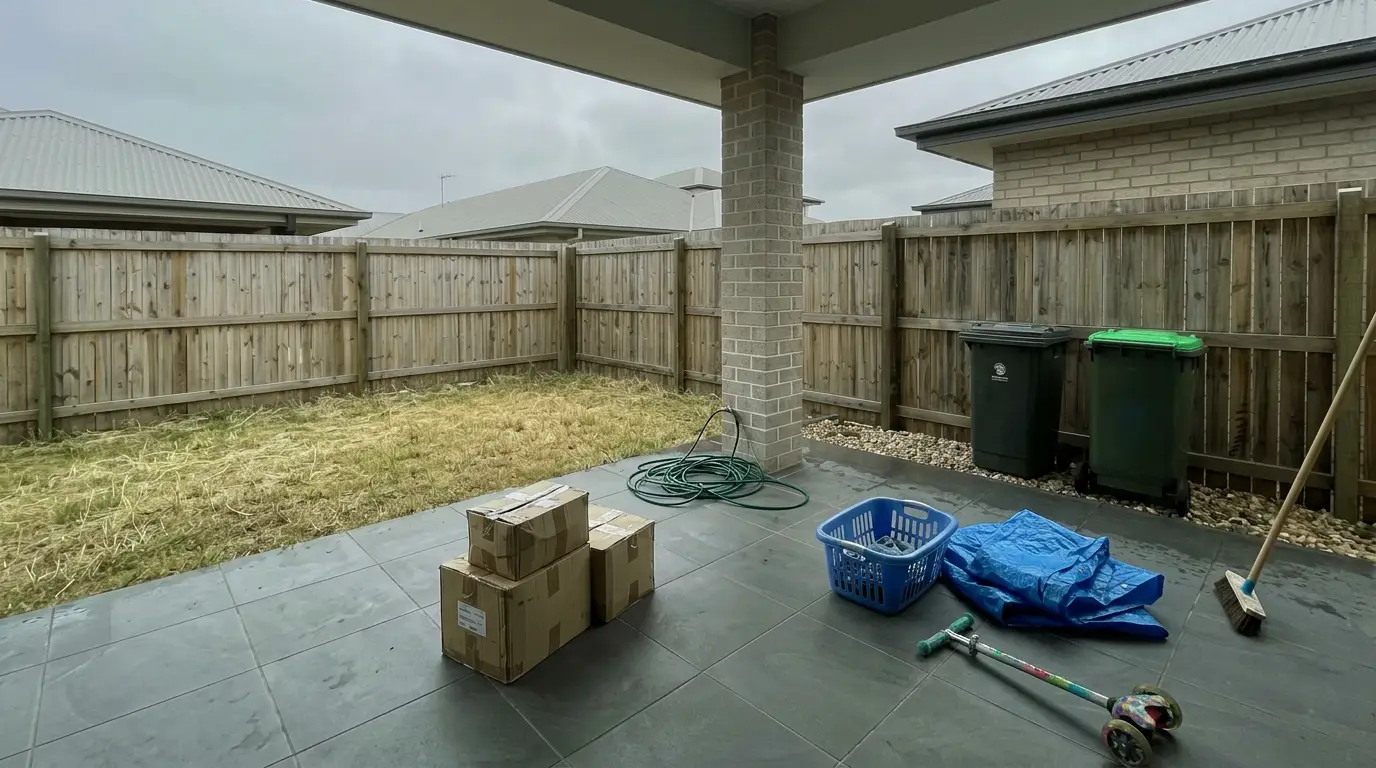
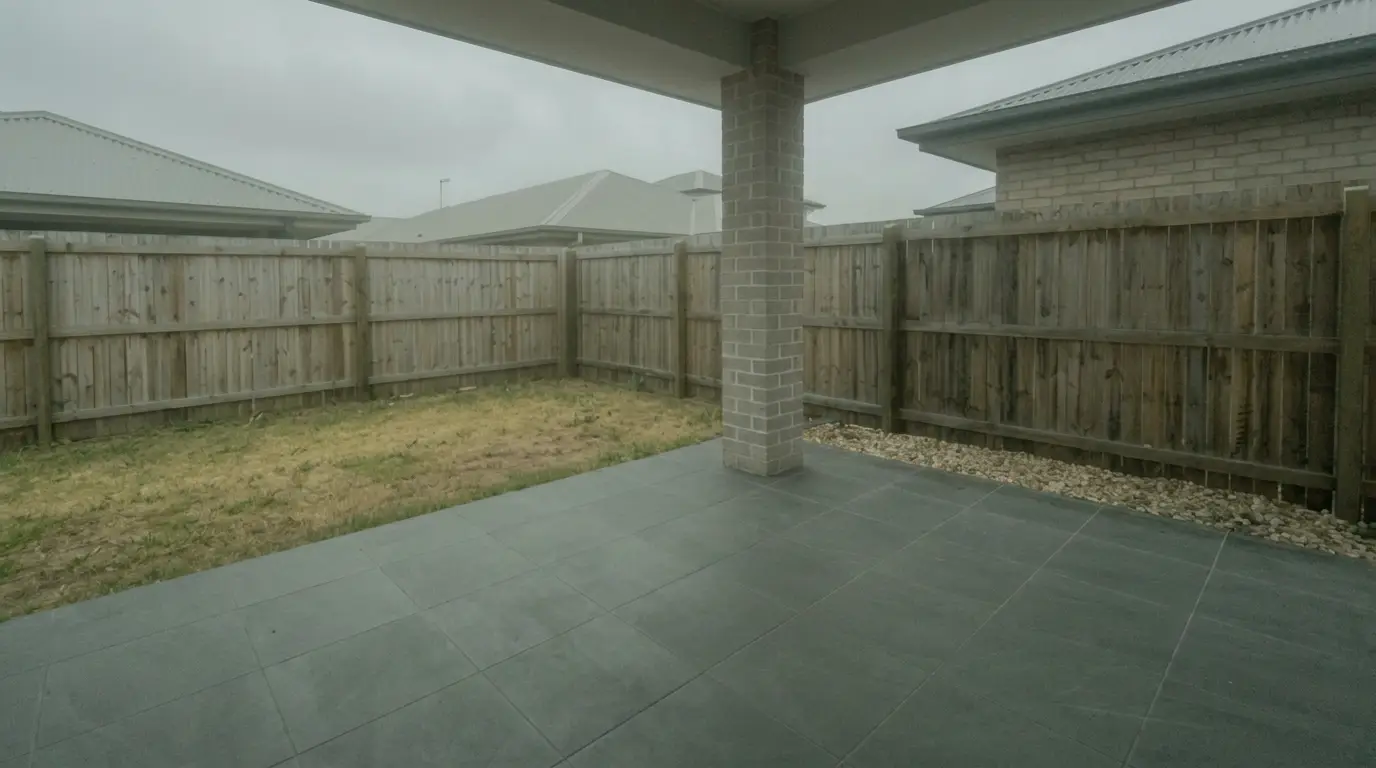
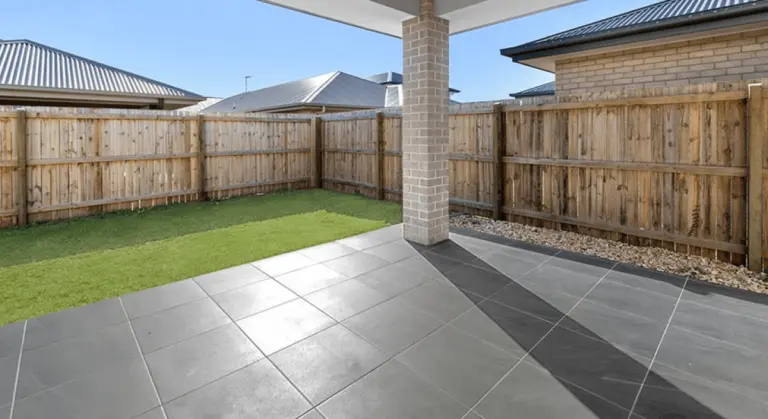
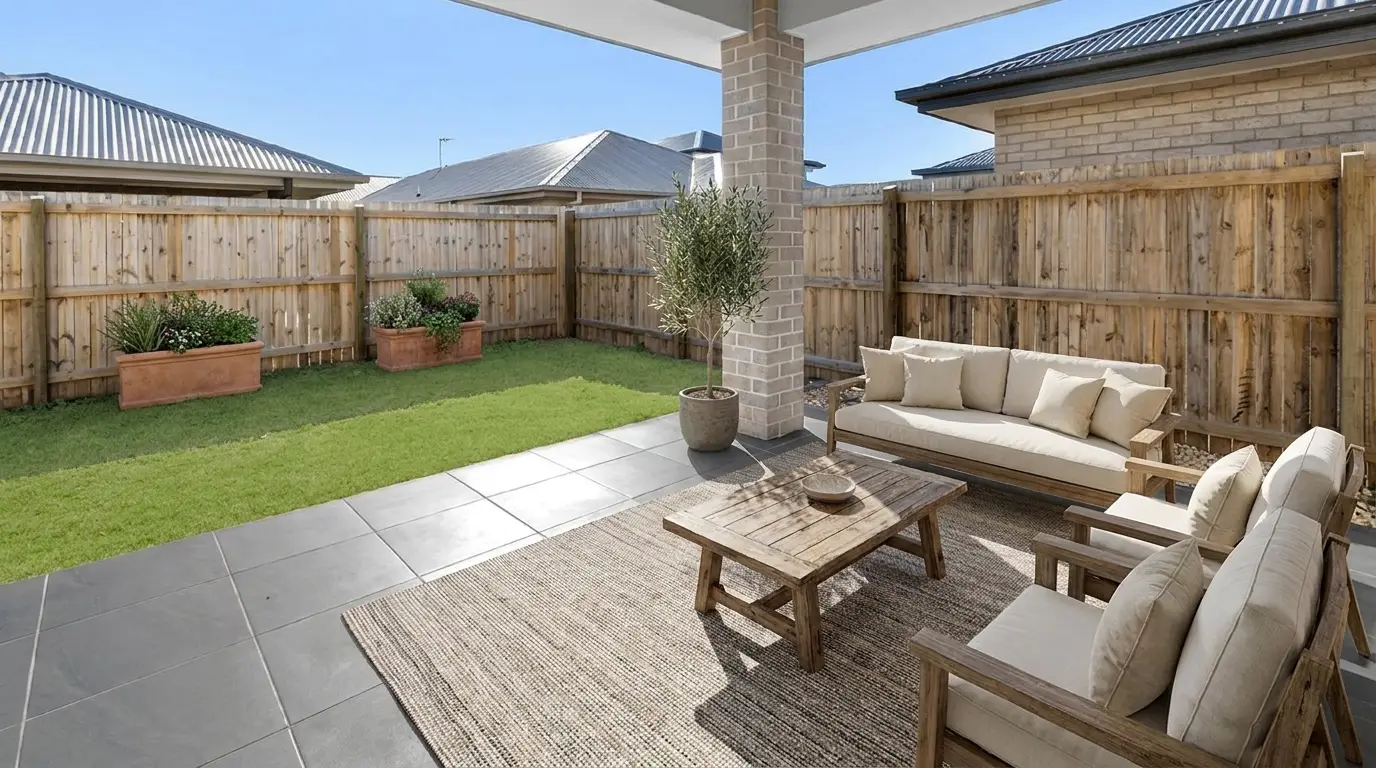
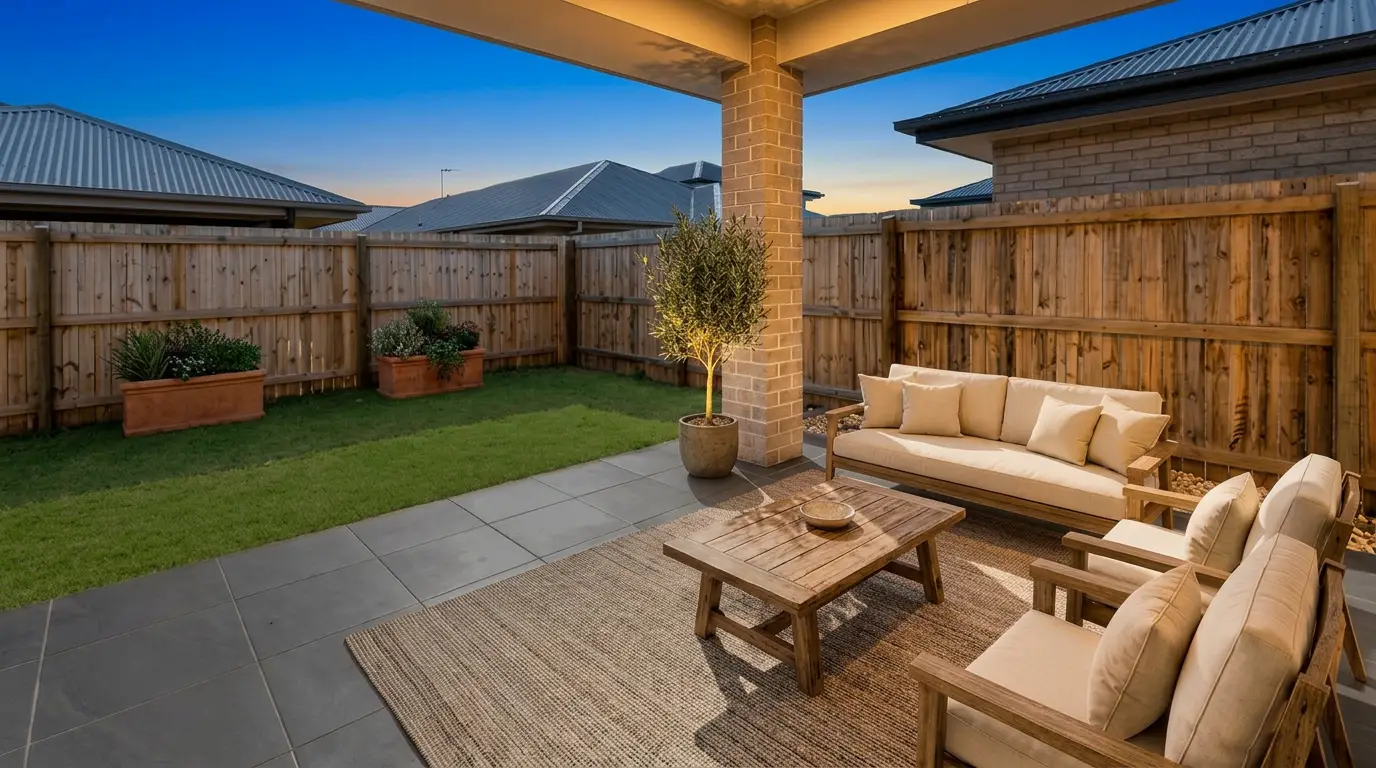
Get listing-ready photos in seconds
Clutter, exposure and twilight handled in one pass. All 11 tools on one account. Free trial credits, no credit card.
Start editing freeWhat Actually Moves the Price
Most price drivers connect to time. Shoot hours matter, but edit hours often drive the final number, especially when the scope asks for multiple cuts in multiple aspect ratios. A quote that looks “high” often includes extra deliverables that another quote does not.
Crew size changes both speed and risk. A solo operator with a gimbal can cover a simple walkthrough efficiently. On-camera work, lighting, and clean audio often call for a second set of hands, which raises the day rate.
Drone work usually prices as an add-on for good reason. It adds flight planning, safety constraints, and additional editing. It also adds compliance complexity, which is why teams often verify licensing and insurance before booking, as outlined in this guide to real estate drone photography.
Usage and licensing also move cost. A music license that covers organic social may not cover paid ads. Footage ownership also varies. Some vendors license use for a defined term, rather than transferring ownership outright.
Real Estate Videography Pricing and Quote Sanity Checks
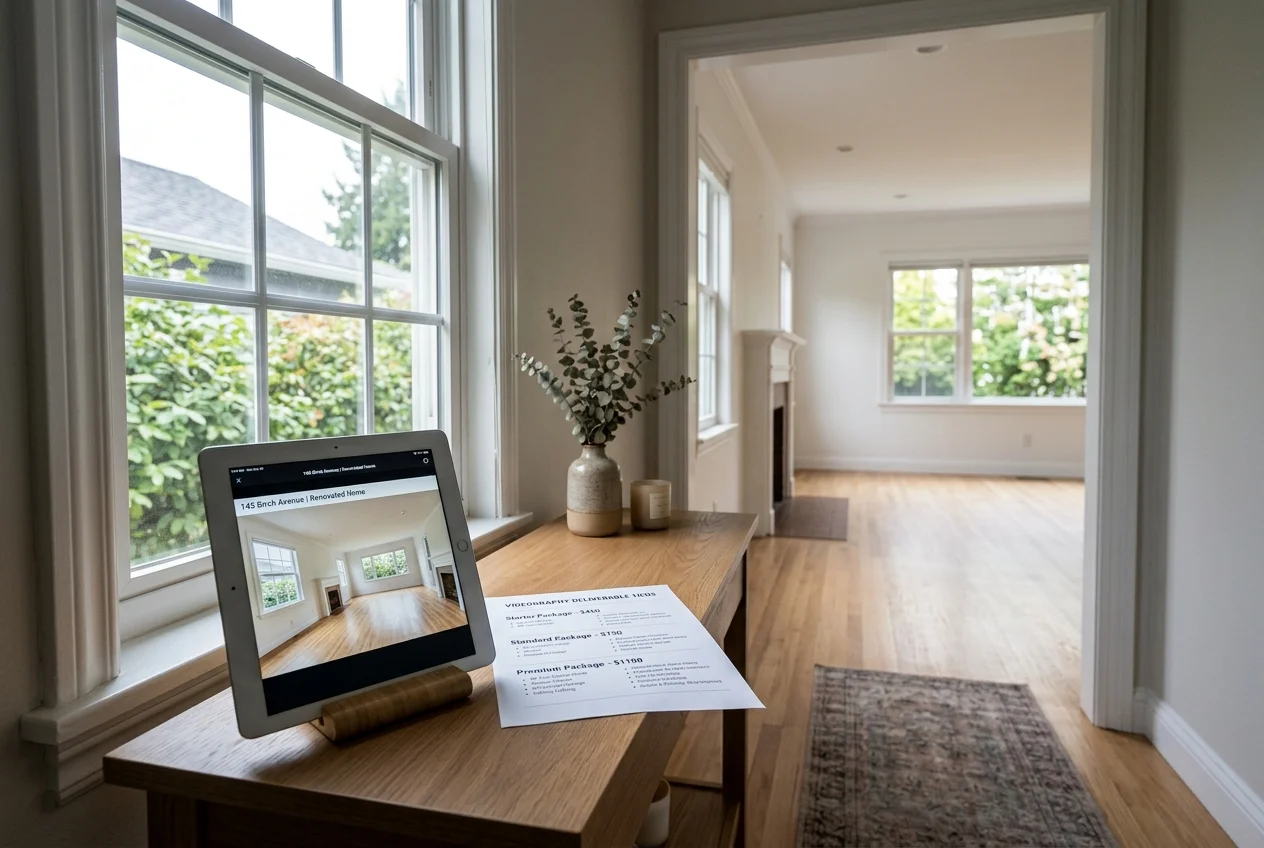
Most listing video budgets fall into clear bands once the deliverable gets named. A basic walkthrough or short vertical deliverable often lands around $150–$400. A mid-tier cinematic film with a drone add-on often lands around $400–$900. High-end residential and commercial real estate videography often lands around $1,000–$3,000+ when the scope includes multiple deliverables, on-camera talent, or heavier post.
A quote becomes comparable when it breaks into inputs. Ask whether the price is a fixed package or an estimate that bills shoot time and edit time separately. Then confirm the add-on price for each extra cut, since each aspect ratio version is a new edit.
A simple sanity check also keeps negotiations clean. Divide the quote by deliverables, not by minutes of runtime. A short film with four cutdowns costs more than a longer single deliverable, because each cut takes time to edit, caption, and export.
Turnaround, Contracts, and When DIY Beats a Rushed Video
Turnaround should be treated as a written term, not a hope. A common planning window is 3–5 days for a first cut, because the edit usually takes longer than the shoot. Rush delivery can work, but only when the contract states the deadline, the review window, and how revisions get handled.
Revision language prevents the most common timeline fight. A “revision” usually means trim changes, caption fixes, or a music swap. A re-edit often means a new narrative order, new selects, or a reshoot. Getting that definition into the agreement matters more than the number of revisions.
Usage rights deserve a dedicated paragraph in the contract. Many agreements license use for specific channels and a specific term. Paid ads, brokerage-wide reuse, and post-close reuse for a new listing presentation can require separate permission. Music licensing must match that permission, or the video cannot be used legally for ads.
DIY can beat a rushed hire in constrained budgets. Two clean vertical clips can outperform a late or weak hero film for an entry-level listing, especially when shot in good light with a simple plan. Teams that go this route often start with guidance from real estate video apps and keep the hero assets focused on stills.
A tight still-photo workflow helps the whole package. AI HomeDesign supports virtual staging, photo editing, and virtual renovation across 11 tools in one account with one credit pool, with free regenerations and output formatted for common MLS disclosure requirements, from $0.24 a photo. That can keep the shoot day focused on capture, not on moving furniture or fixing small visual distractions in-camera.
Frequently Asked Questions
Is a deposit normal, and what if the shoot gets cancelled?
Deposits are standard for independent operators: expect 25–50% of the quote up front, credited against the balance at delivery. Cancellation terms usually hinge on notice. Outside 48 hours, the deposit typically rolls to a rescheduled date; inside 24 hours, it is often forfeited because the slot cannot be refilled. Weather holds on drone or exterior work should be treated as reschedules rather than cancellations, so ask for that carve-out before paying anything.
Who owns the footage after the listing closes?
In most agreements the videographer keeps copyright and grants a license, so “buying a video” means buying permission to use it. That license is often scoped to marketing one listing for a set term, which means post-close reuse — a brokerage sizzle reel, a listing presentation for a different property, or a paid ad — needs fresh permission. Brokerages that want the files outright should ask for a written copyright assignment or work-for-hire clause and expect it to carry a premium.
If a room shoots badly, is a reshoot billable?
Usually yes. A return visit is normally billed as new shoot time at the day or half-day rate, because staging changes, weather, and a seller who was not ready sit outside the videographer’s control. The exception is a capture fault, such as soft focus, blown-out windows, or unusable audio, which a fair contract puts on the vendor at no charge. Agree on that split, and on who decides which one applies, before the shoot day.
Do listings need drone video, and does it cost extra?
Drone footage earns its place when the lot, setting, views, or roofline carry the story. It is commonly priced as an add-on because it adds planning, safety constraints, and edit time, plus licensing and insurance requirements in many markets. If drone appears in the reel, it is reasonable to ask for proof of remote pilot licensing and liability coverage.
What should be in a real estate videographer contract?
A strong agreement lists deliverables, aspect ratios, runtime targets, and file formats, plus a written delivery date. It also defines revisions, states whether raw footage is included, and spells out usage rights and term. Music licensing language matters too, especially for paid ads. Many teams also require an unbranded MLS cut as a separate deliverable.
Can agents shoot a listing video instead of hiring?
For vertical reels, self-shot content can work when the home has strong natural light and the clip plan stays simple. A phone, basic stabilization, and captions can produce usable social assets. A full hero film is harder because window exposure, smooth movement through tight spaces, and clean audio reveal amateur capture quickly. DIY works best as a supplement, not a replacement for core stills.