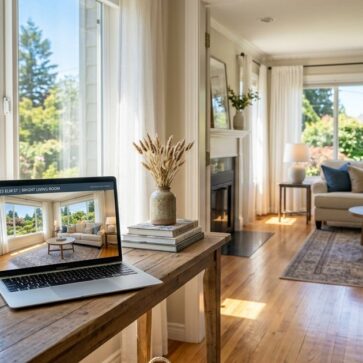
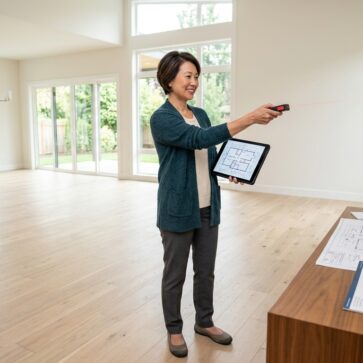
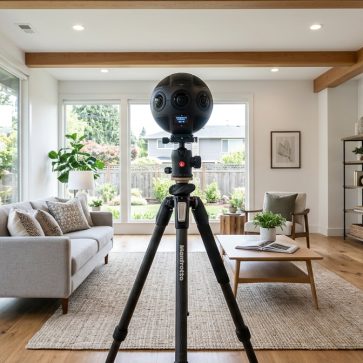
Knowing how to stage an empty house does not always mean renting sofas, beds, and dining sets. Sellers can make a vacant home feel warmer and easier to understand with a few low-cost methods, including soft staging with accessories, simple DIY setup tricks, and virtual staging for listing photos.
That matters because empty rooms often look smaller, colder, and harder to read online. Buyers may struggle to judge scale, layout, and function when every room is completely bare.
Staging a vacant home without furniture rental can save time, money, and logistical hassle. Instead of managing delivery, pickup, and rental contracts, sellers can focus on lighting, room purpose, small visual cues, and photo-ready presentation.
What to Prepare Before Staging Begins
Empty homes make small flaws more visible. Scuffed baseboards, dirty grout, cloudy windows, burnt-out bulbs, and marked walls can stand out quickly in listing photos. Before staging, the property should be clean, repaired, and ready to photograph.
Start with a deep clean. Focus on floors, windows, baseboards, grout lines, light fixtures, mirrors, and kitchen surfaces. A clean vacant home gives every staging method a better starting point.
Minor repairs matter too. Patch nail holes, fix dripping faucets, replace broken switch plates, tighten loose handles, and change weak or mismatched bulbs. These small fixes help the home feel better maintained, especially when there is no furniture to distract from the details.
Paint is another important step. Neutral tones, soft grays, warm whites, and light beige shades usually work well because they make rooms feel cleaner and easier to imagine. Bold or dated wall colors should be repainted before photos or showings, especially in the main living areas and bedrooms.
Tools and Budget to Have Ready
A few basics make the process easier: measuring tape, level, cleaning supplies, light bulbs, touch-up paint, and a smartphone or camera on a tripod for test photos.
Focus first on the rooms buyers care about most: the living room, primary bedroom, kitchen, and main bathroom. These spaces usually shape the strongest first impression.
Soft staging with accessories and textiles can often be done on a modest budget. A DIY bed setup may cost a similar amount, depending on what the seller already owns. AI virtual staging is usually priced per image, which makes it useful when the goal is improving listing photos without filling every room physically.
Method 1: Soft Staging with Accessories, Room by Room
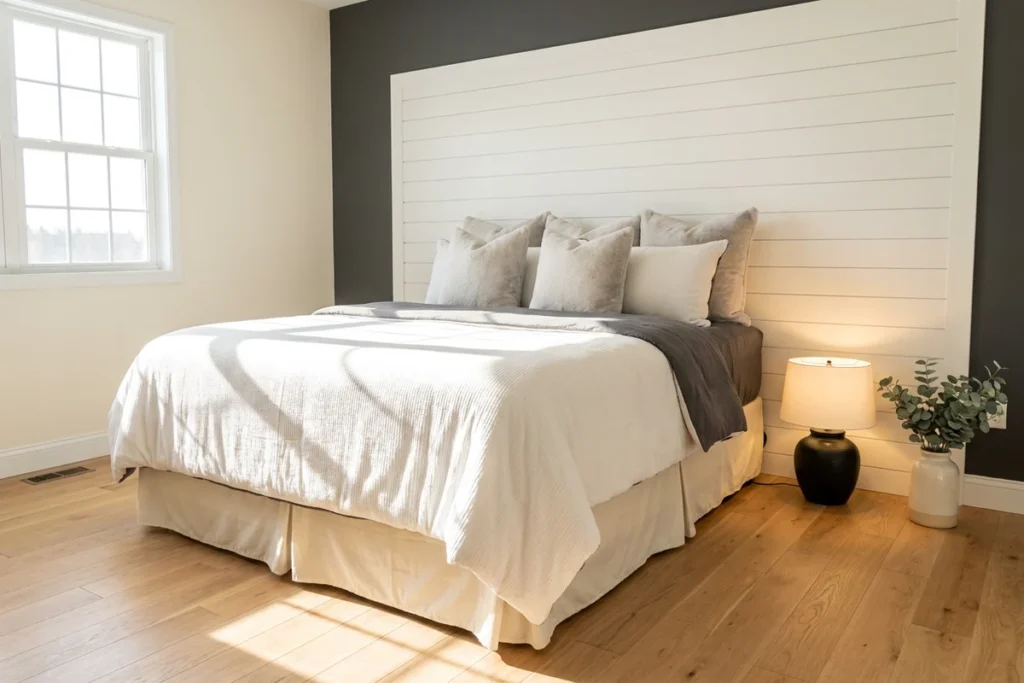
Buyers can misjudge empty rooms. Without furniture or visual reference points, a bedroom may look smaller than it is, and a living room may feel unfinished. Soft staging uses small, low-cost items to give each space warmth and scale without renting full furniture sets.
Anchor Important Rooms With a Rug
A well-sized area rug can help define the purpose of a room. In a living room, it suggests where seating could go. In a bedroom, it can make the space feel softer and less empty.
Choose neutral rugs that fit the room’s scale. A rug that is too small can make the room feel awkward, while one that is too large may crowd the floor visually. The goal is to create a clear zone, not to decorate heavily.
Add Mirrors and Warm Lighting
Mirrors can help reflect light and make a vacant room feel more open, but placement matters. Avoid angles that create glare, show clutter, or reflect awkward corners in listing photos.
Lighting is just as important. Replace weak bulbs, use warm white light, and add a floor lamp or table lamp where the room feels flat. Overhead lighting alone can make an empty room feel cold. Layered lighting gives the space more depth, especially for photos and evening showings.
Style Key Focal Points
Small styling details work best in places buyers naturally look first: the entry, kitchen counter, bathroom vanity, and primary bedroom.
In the kitchen, a cutting board, potted herb, or neutral mug can make the space feel cared for. In the bathroom, clean towels, a small plant, and simple counter styling can create a fresher impression.
Keep the styling restrained. A few neutral accessories are enough. Too many objects can make the room feel staged rather than ready for a buyer’s imagination.
Method 2: Build a DIY Fake Bed
Empty bedrooms often look smaller than they are. Without a bed in the room, buyers can struggle to judge scale and may start wondering whether their furniture would fit. That is why creating a simple bed setup can be one of the most effective ways to stage a vacant bedroom.
What to Gather Before Starting
The materials are simple and easy to find:
- eight to twelve banker boxes
- packing tape
- a twin or full air mattress
- a bed-in-a-bag set
- firm decorative pillow inserts
- a flat bed skirt with a 15-inch drop
This setup usually costs far less than even a short furniture rental.
Step-by-Step Setup
Step 1:
Stack and tape the banker boxes into a rectangle that matches the footprint of a queen or full bed. Two boxes high usually creates a convincing platform height.
Step 2:
Inflate the air mattress and place it on top of the box platform. It gives the bed shape and enough height to read well in photos.
Step 3:
Use the bed skirt to cover the boxes completely. This is what makes the base disappear and helps the setup look more like a real bed.
Step 4:
Make the bed neatly with the bedding set. Pull the sheets tight and keep the comforter smooth. Clean lines photograph better than loose styling.
Step 5:
Add firm decorative pillows inside the shams. Avoid soft, sagging inserts, since they can make the setup look less convincing in listing photos.
The finished bed helps buyers understand the room’s scale and function more quickly. In some cases, sellers also pair this physical setup with virtual staging in other empty rooms so the listing gallery feels more complete.
Method 3: Use AI Virtual Staging for Listing Photos
Empty rooms can look clean, but they often feel cold and hard to understand online. Without furniture, buyers may struggle to judge room size, layout, and function. AI virtual staging helps solve that problem by adding digital furniture and decor to empty room photos.
This method works best for listing photos, not for changing the physical experience of a showing. Buyers still need the real space to feel clean, bright, and well prepared when they visit.
Step-by-Step Process
Step 1: Photograph the room clearly
Use natural daylight, a tripod if possible, and a wide-angle view that keeps the room proportions realistic. Avoid heavy filters, extreme HDR, and blown-out windows. A clean base photo usually produces better staging results.
Step 2: Upload the photo to a virtual staging platform
Choose a room type, design style, and furnishing level that fit the home. A small condo, suburban family home, and luxury listing should not all receive the same staging style.
Step 3: Match the staging to the likely buyer
Use furniture that fits the architecture, room size, and expected use of the space. The goal is to make the room easier to understand, not to make it look like a different property.
Step 4: Review before publishing
Check furniture scale, shadows, reflections, window placement, and walking paths. If the sofa looks too large, the rug floats strangely, or the furniture blocks a doorway, regenerate or adjust the image.
Disclosure and Listing Rules
Virtual staging should be clearly disclosed where MLS, platform, brokerage, or local rules require it. Buyers should understand which images are digitally furnished and which show the property as it appears in person.
Best practice is to use virtual staging for online presentation and keep the physical home clean, bright, and easy to walk through during showings. The goal is to help buyers understand the space, not surprise them when they arrive.
How to Prioritize Rooms and Stretch the Staging Budget
Most staging budgets cannot cover every room. The solution is to spend strategically, not evenly. Focus first on the spaces buyers care about most: the living room, primary bedroom, kitchen, and main bathroom.
These rooms usually shape the strongest first impression, both online and during showings. Secondary spaces, such as spare bedrooms, dining rooms, and bonus rooms, can stay simple or rely on virtual staging for listing photos when the budget is limited.
For in-person showings, combine soft staging with a DIY fake bed in the highest-impact rooms. Use small accessories, lighting, rugs, towels, plants, and simple textiles to make the home feel warmer without renting furniture for every space.
Exterior presentation matters too. Mow the lawn, edge walkways, clean the entry, and place a simple potted plant near the front door. For listing photos, a day to dusk edit can add warmth to exterior shots when the original daytime image feels flat.
Handling Awkward or Unused Spaces
Awkward corners and undefined rooms do not need much. A floor lamp, small plant, rug, or simple console table can suggest purpose without over-filling the space.
When photographing these areas, use natural daylight and choose angles that make the room’s function easier to understand. Staging decisions should start with the spaces buyers are most likely to remember after viewing the listing.
Sensory Touches That Improve In-Person Showings
A vacant home can feel cold even when it looks clean. Without furniture, textiles, or daily activity, small details become more noticeable. That is why in-person preparation should go beyond the photos.
Start with air quality. Vacant homes can trap musty smells in drains, carpets, closets, and closed rooms. Open windows before showings when possible, clean drains, remove stale odors, and avoid heavy sprays or strong artificial scents. If scent is used at all, keep it very subtle.
Sound, Light, and Detail Work
Lighting has a major effect on how an empty house feels. Replace cool or mismatched bulbs with warm, consistent LED bulbs before showings. Warm light helps rooms feel more inviting, while harsh cool light can make the space feel unfinished or clinical.
Soft background music can also help, but it should stay low and neutral. The goal is to make the home feel less silent, not to distract buyers during the walkthrough.
Small details matter more in an empty house. Wipe baseboards, switch plates, door handles, mirrors, and windows before each showing. Keep closets tidy so storage feels open rather than cramped.
For sellers still deciding between renting vs selling your home, these sensory touches are a low-cost final step. They should support a clean, well-prepared property, not replace basic repairs, cleaning, or staging.
Final Thought
Staging an empty house without renting furniture is realistic when the plan matches the budget, timeline, and showing strategy.
For in-person visits, soft staging usually does the most work. Rugs define spaces, mirrors reflect light, and warm lamps make vacant rooms feel less cold. In bedrooms, a DIY fake bed can give buyers a useful size reference without a furniture rental contract.
For listing photos, AI virtual staging can help sellers show how empty rooms might function once furnished. The images should be realistic, clearly disclosed where required, and reviewed before publishing.
The strongest approach is often layered: soft staging and a DIY bed for the physical showing, virtual staging for the online gallery. Sellers with premium listings may also want to review luxury virtual staging: how to sell high-end property, where style, scale, and buyer expectations need more careful control.
Whatever method is used, cleaning, small repairs, and neutral paint should come first. No staging technique works well if the home still looks dirty, damaged, or visually distracting.
FAQs
Can AI virtual staging photos go on the MLS if the house is empty during showings?
Usually, yes, but disclosure rules vary by MLS. Virtually staged photos should be clearly labeled where required so buyers understand the rooms are digitally furnished. The goal is to set accurate expectations before the showing.
What if there is no furniture available at all?
Use soft staging items that do not require full furniture: area rugs, mirrors, floor lamps, plants, towels, and simple kitchen or bathroom accessories. For listing photos, AI virtual staging can show furnished versions of the empty rooms. For showings, focus on cleaning, light, scent control, and small details.
Does soft staging help beyond listing photos?
Yes, especially in vacant homes. Rugs, lighting, mirrors, and small accessories can make the space feel warmer during in-person showings. The impact varies by market, but soft staging can make an empty home feel less cold and easier to understand.
What if bold paint colors cannot be repainted before listing?
Keep the rest of the room calm. Use neutral accessories, clean lighting, and simple styling to reduce visual noise. For listing photos, wall color edits may be possible, but any digital change should follow MLS, platform, and disclosure rules.