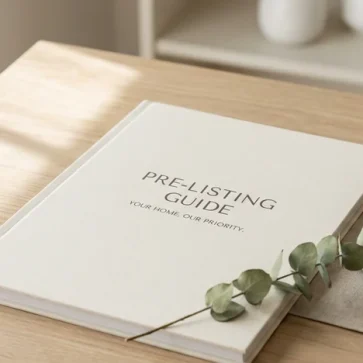
Pre-Listing Package for Real Estate Agents: What to Include to Win More Listings is the practical framework agents use to show up prepared before a seller appointment. Sellers meet with multiple agents, and the one who arrives with a clear, structured package signals competence before a single word is spoken. This guide breaks down the core components of a strong pre-listing package, explains the strategic purpose behind each element, and offers a framework for building one that earns seller confidence on a repeatable basis.
What a Pre-Listing Package Actually Does
Sellers rarely wait for the appointment to form an opinion. Most interview several agents, compare their materials, and arrive at a shortlist before anyone rings the doorbell. An agent who sends nothing beforehand is already behind, competing against someone who has been building trust through carefully prepared listing materials for a full day.
A pre-listing package is a curated document, digital, physical, or both, sent to a seller before the listing appointment. It is not the listing presentation itself. The presentation happens in person, driven by conversation and a property walkthrough. The package does something different: it sets the stage, answers early objections, and positions the agent as credible before the first handshake.
Transaction timelines have been stretching longer, and that makes upfront seller education more critical. Sellers who understand the process early, from pricing strategy to marketing exposure to document prep, make steadier decisions throughout. A home-selling timeline included in the package reduces anxiety by setting concrete expectations from the start.
Strong packages also pre-answer the questions sellers are already asking privately. How will the agent market the property? Why does commission matter? What does visual storytelling look like in practice? Addressing these concerns before the appointment shifts the dynamic from interrogation to collaboration.
The Core Strategic Value
The package’s real job is credibility transfer. An agent who arrives having already demonstrated neighborhood expertise, a clear marketing plan, and a structured process feels less like a stranger. That familiarity lowers seller anxiety and raises the quality of the in-person conversation.
TL;DR: A pre-listing package is a strategic document sent before the listing appointment to establish credibility and reduce seller anxiety. Agents who educate sellers early gain an edge. The strongest packages pre-answer objections, set process expectations, and make the in-person appointment feel like a confirmation rather than an audition.
Eight Elements Every Pre-Listing Package Should Include
Sellers form strong first impressions long before the agent walks through the door. What arrives in their inbox the day before the appointment often determines whether trust is established or lost. Knowing what to include, and why each element earns its place, gives agents a clear and repeatable build list.
1. Personalized Introduction and Professional Biography
A concise biography establishes credentials without reading like a résumé. It should highlight relevant local experience, transaction volume context, and any specializations that matter to a home seller. This section anchors the agent’s authority before any conversation begins.
2. A Short Video Introduction
A short, direct video humanizes the agent in ways text cannot. A personalized clip of about a minute builds rapport before the first in-person meeting. Sellers who feel they already know the agent tend to arrive at the appointment more relaxed and more open to a real conversation.
3. Marketing Strategy Overview
This section must answer one question sellers always ask: how will the agent find qualified buyers? A strong marketing strategy overview covers digital syndication, social media reach, professional photography, and copywriting approach. Agents who invest in real estate listing description tips as part of their written marketing plan signal that every detail of the listing will be handled with care. This section also helps justify the commission structure.
4. Local Market Data: Teaser CMA Only
Including the full pricing analysis in the pre-listing package is a common mistake. A teaser of hyper-local data, recent sales on the seller’s street, average days on market, and list-to-sale price ratios, positions the agent as a neighborhood expert. The full pricing strategy belongs at the in-person walkthrough, where context can be discussed directly.
5. Home Selling Process Timeline
Seller anxiety often stems from uncertainty about what happens next. A clear timeline from listing agreement to closing reduces that anxiety by setting concrete expectations at every stage. With transaction timelines running longer than historical norms, this element carries more weight than it once did.
6. Seller Homework and Document Checklist
Requesting HOA documents, mortgage statements, and title paperwork before the appointment streamlines the entire listing process. Sellers appreciate having a clear task list. Agents benefit from arriving prepared rather than chasing paperwork after the agreement is signed.
7. Testimonials and Social Proof
Recent client reviews and transaction results do the persuasion work that self-promotion cannot. Specific, outcome-focused testimonials carry more weight than generic praise. Listing materials that include verifiable social proof land with more credibility than those that rely on credentials alone.
8. AI-Enhanced Visuals or Virtual Staging Mock-Ups
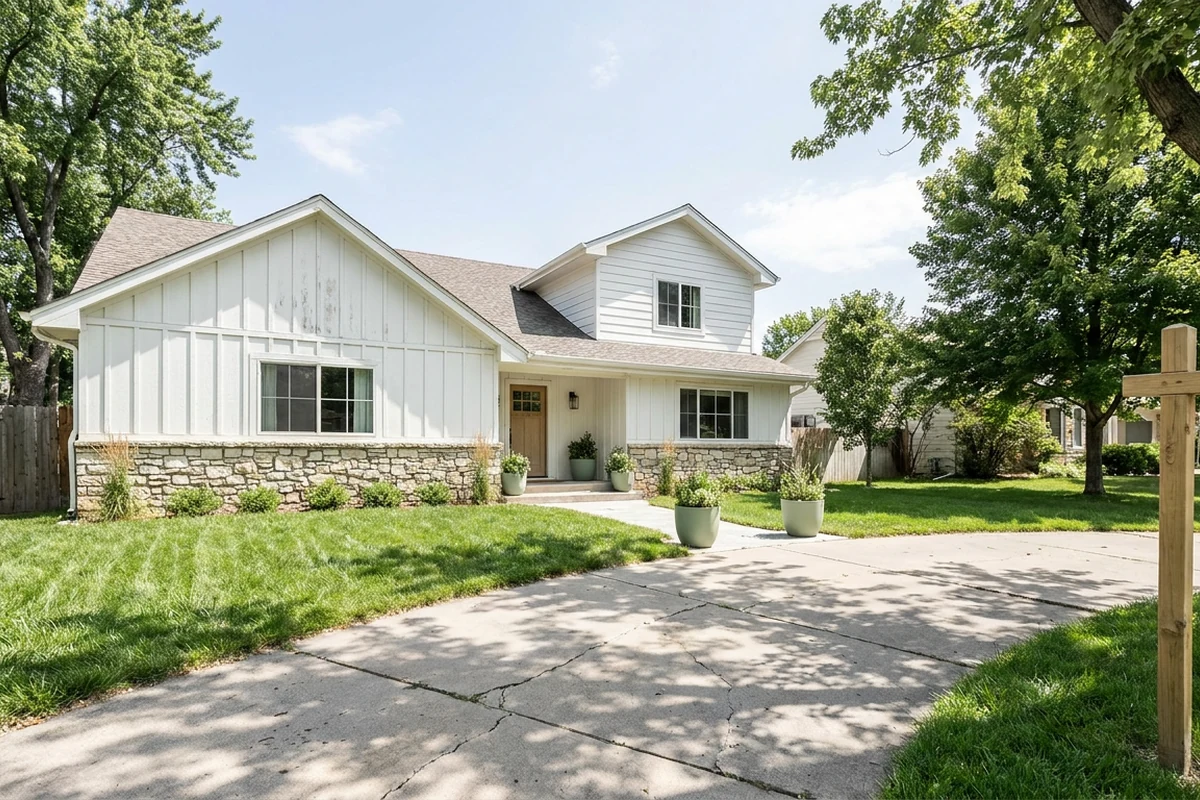
Showing a property’s potential, not just its current state, gives sellers a compelling reason to move forward. Platforms in the same-day AI visual marketing for real estate category allow agents to include before-and-after staging mock-ups directly in the package. Full disclosure of any AI edits is required. Most sellers respond well when the transformation is presented with transparency.
The CMA Dilemma: What Market Data to Include and What to Hold Back
Sending a full comparative market analysis before the appointment feels thorough. In practice, it often backfires. When sellers see a price range in writing before the agent has walked the property, they anchor to that number immediately. The conversation shifts from collaborative to defensive, and the agent loses control of the pricing discussion before it begins.

The pre-listing package should carry a teaser of high-level local market data, not a full pricing recommendation. Recent comparable sales on the seller’s specific street, average days on market, and list-to-sale price ratios give sellers useful context. That data educates without committing the agent to a number before the walkthrough.
Why Street-Level Data Matters
Hyper-local data does something a generic market report cannot. Street-level sales figures signal that the agent knows this neighborhood specifically, not just the broader zip code. That distinction matters to sellers. It positions the agent as a neighborhood specialist rather than a generalist pulling county-wide averages from a portal.
Pricing education at this stage is also important because overpriced listings take considerably longer to sell. Sellers who understand that reality before the appointment arrive more open to an honest pricing conversation. The goal is not a price commitment. It is informed context. The full comparative market analysis, along with any nuances around mls rules for property listings, belongs in the in-person walkthrough where the agent can guide the discussion room by room.
The 90/10 Personalization Rule: Scaling Without Starting from Scratch
Many agents fall into the same trap: either they spend hours building a fully custom package for every appointment, or they send a generic brochure that any competitor could have dropped off. Neither approach holds up at scale. The 90/10 rule offers a practical middle path. Keep ninety percent as standardized template content. Customize ten percent for the specific seller and property.
That ten percent carries most of the emotional weight. It includes a personalized cover letter addressing the seller by name, hyper-local market data from the seller’s specific street, and a short intro video referencing the property address. These three touches signal preparation without requiring a full rebuild for every listing appointment.
To build this efficiently, agents should create one master template and identify five swap-out zones: the cover letter, the neighborhood data slide, the intro video, the property address references, and any seller-specific timeline notes. Everything else stays fixed. This structure keeps production time low while ensuring the package never feels generic.
Digital, Physical, or Hybrid: Choosing the Right Delivery Format
Many agents default to one format out of habit and leave real opportunity on the table. Each delivery method carries distinct trade-offs. The right choice depends on the seller’s profile and market context.
Digital delivery through platforms like HighNote lets agents track when a seller opens the package. That open notification enables timely follow-up and sharper appointment preparation. Digital packages also support embedded video and are easy to update, a clear advantage in fast-moving markets.
A printed, bound booklet works differently. It creates a tactile impression that signals investment and professionalism. It cannot be tracked, but with older sellers or luxury segments, the physical weight of a well-designed booklet carries real persuasive value.
| Format | Cost | Tracking | Impression |
|---|---|---|---|
| Digital | Low | Yes | Modern, convenient |
| Physical | Moderate to high | No | Tangible, premium |
| Hybrid | Highest | Yes | Layered, memorable |
High-producing agents often combine both. They send a digital package with a personalized video introduction about a day before the appointment, then drop off a high-quality physical booklet at the property. This hybrid approach captures the tracking benefits of digital and the lasting impression of print, a strategy worth understanding alongside real estate photography trends in 2026: what is changing in listing visuals, since visual quality affects both formats equally.
Physical-only delivery tends to underperform with tech-forward sellers, remote or out-of-state owners, and time-constrained markets where speed of communication matters most.
Timing the Delivery: The Sweet Spot Before the Appointment
Send a seller presentation package too early, and the content loses its urgency. Send it too late, and sellers arrive at the appointment unprepared. The widely accepted rule: deliver the package one to two days before the listing appointment.
The minimum buffer exists for a practical reason. Sellers need time to review the materials, gather requested documents, and complete the homework checklist, items like HOA paperwork, mortgage statements, and title documents. Skipping that buffer means the agent spends appointment time collecting information instead of building trust.
Stretching beyond two days creates a different problem. Content loses top-of-mind urgency, and sellers develop questions the agent cannot address until the meeting. That gap can breed doubt rather than confidence.
Combining Digital and Physical Timing
Digital delivery platforms like HighNote add a useful layer. They notify the agent the moment a seller opens the package, creating a natural trigger for a brief follow-up call. That call reinforces key points and signals attentiveness before the agent ever walks through the door.
A common approach among high-producing agents: send the digital package a day before the appointment, then drop a physical booklet at the property the morning of. The digital version travels instantly. The printed piece signals professionalism in a tangible way.
Using AI Visual Tools Inside the Pre-Listing Package
Sellers often struggle to imagine their property through a buyer’s eyes. A cluttered living room or an empty bedroom reads as a liability, not an opportunity. Placing AI-generated visual mock-ups inside the pre-listing package reframes that perception before the appointment begins.

Platforms in the rapid-turnaround visual editing category, AI HomeDesign among them, turn raw property photos into MLS-ready visuals. That includes virtual staging, item removal, and day-to-dusk conversions. The output arrives in seconds rather than days, making it practical to produce a before-and-after example for the seller’s specific property and include it in the package before the appointment window.
Cost and Disclosure
Physical staging runs into thousands per room. AI-generated mock-ups cost a fraction of that, making them accessible for pre-listing use even before a contract is signed. Agents can present polished visuals without committing to full staging budgets upfront.
One requirement is non-negotiable: every AI-edited image must carry a clear disclosure label identifying it as digitally enhanced. This protects both the agent and the seller from misrepresentation concerns. Transparency also builds trust, because sellers appreciate honesty about what the visuals represent.
These visuals connect directly to the real estate marketing plan for sellers outlined elsewhere in the package. A before-and-after staging example is not decoration. It is evidence of the agent’s marketing approach in action, reinforcing the strategy section and giving sellers a concrete preview of how their home will be presented to buyers.
When the Standard Pre-Listing Package Strategy Does NOT Fit
Some situations actively punish a polished package. Distressed sales and estate situations are a clear example. Sellers navigating grief or financial hardship often find a high-production real estate marketing plan for sellers tone-deaf rather than reassuring. Leading with empathy and stripping the package to its core trust elements, bio, timeline, and testimonials, serves the relationship far better.
Off-market and pocket listing situations present a different problem. A full marketing strategy overview signals assumptions the seller has not yet confirmed. Premature detail can feel presumptuous and stall the conversation before it starts.
Price-sensitive sellers in low-commission markets deserve careful handling too. A high-production package can raise commission expectations the agent cannot realistically meet. Sellers who have already anchored on a price should not receive market data teasers before the walkthrough. Doing so risks triggering premature pricing arguments that derail the appointment entirely.
Rural and agricultural properties are another edge case. Standard residential frameworks and virtual staging for listing presentations rarely translate to acreage, outbuildings, or working land. The same applies when real estate agents helping first-time homebuyers cross into rural territory. Familiar frameworks simply do not map cleanly. When any of these red flags appear, the right move is to customize around a stripped-down core and rebuild from there.
Building the Package in Under Two Hours: A Step-by-Step Process
Most agents lose the listing before they walk through the door, not because of price, but because of preparation. A structured build sequence turns what feels like a custom project into a repeatable workflow. The 90/10 rule anchors the process: ninety percent is a polished template built once, and ten percent is tailored to the specific seller and neighborhood.
Step 1: Build the Master Template
This is the one-time investment that makes every future package fast. The template should include a real estate agent bio for sellers, a marketing strategy overview, a home selling process timeline, and a seller homework checklist. That checklist should request HOA documents, mortgage statements, and title paperwork. Collecting these before the appointment saves real time at the table.
Step 2: Pull Hyper-Local Market Data
Generic neighborhood stats read as filler. Agents who pull recent sales from the seller’s specific street, along with days on market and list-to-sale ratios, signal genuine local expertise. Share only a high-level data teaser here. Reserve the full pricing strategy for the in-person walkthrough.
Step 3: Record a Short Video Introduction
A short, personalized video humanizes the agent before the first handshake. The script should reference the seller’s address and one specific neighborhood insight pulled from Step 2. Keeping it brief respects the seller’s time while still building rapport.
Step 4: Write a Personalized Cover Letter
Three to four sentences, addressed by name, referencing the seller’s specific situation. This is the most visible piece of the custom layer. A cover letter that acknowledges a specific circumstance, a timeline, a neighborhood shift, a pricing concern, lands far differently than a generic introduction.
Step 5: Prepare an AI-Enhanced Visual Mock-Up
When the property has vacant or cluttered spaces, a virtual staging for listing presentations mock-up can illustrate potential without physical staging costs. Use the seller’s own photos or a comparable property. Any AI-edited image must be clearly labeled as digitally enhanced. Transparency protects both the agent and the seller.
Step 6: Assemble and Track the Digital Package
Platforms like HighNote allow agents to load all components into a single digital delivery and receive a notification when the seller opens it. That open-tracking signal is a practical prompt for timely follow-up before the appointment.
Step 7: Deliver on Schedule
Send the digital package one to two days before the appointment. Drop a high-quality physical booklet at the property the morning of the meeting. This hybrid approach gives sellers time to review materials and complete their homework checklist before the agent arrives.
Decision Checkpoint: The 90/10 Confirmation
Before finalizing, agents should confirm which elements are template and which are custom. The cover letter, neighborhood data, and intro video are the custom ten percent. Everything else should pull directly from the master template. Once the listing is secured, the workflow shifts to post-listing preparation, including steps like prepare real estate photos for mls, which is a separate but equally structured process.
Final Verdict
A pre-listing package is not a brochure. It is a structured communication tool that shapes how a seller perceives an agent before the first handshake. Agents who treat it as a formality tend to underperform those who treat it as a strategic first impression.
The framework that works across most market conditions is straightforward. Build a template that covers the core content: biography, marketing strategy, process timeline, and a teaser of local market data. Then layer in the custom ten percent, a personalized cover letter, street-level sales data, and a short video introduction recorded for that specific seller and property.
Delivery timing matters more than most agents realize. Sending the package one to two days before the appointment gives sellers enough time to review the material and complete the homework checklist. It also keeps the content fresh when the in-person conversation begins.
On format, the hybrid approach serves most agents well. A tracked digital package sent the day before the appointment, followed by a physical booklet dropped at the property, covers both the analytical seller who wants to click through the details and the tactile seller who responds to something held in hand. Agents who rely on digital-only delivery should use a platform that shows when the package was opened. That signal is useful for calibrating follow-up timing.
For agents who include visual marketing assets, the visual quality of those assets reflects directly on the perceived quality of the marketing plan. Several platforms in the AI-enhanced property photo category — AI HomeDesign, Virtual Staging AI, and similar tools — allow agents to produce before-and-after mock-ups before professional photography is even scheduled. Any AI-edited images must be clearly disclosed.
The full CMA should stay out of the package entirely. A teaser of neighborhood trends builds credibility. A full pricing analysis delivered without context often anchors sellers to a number before the agent has walked the property and explained the rationale. Reserve that conversation for the appointment itself.
Agents building a package for the first time should start with a clean, well-designed template. Focus on getting the delivery timing and the homework checklist right before adding more complex elements like video introductions.
Frequently Asked Questions
Can a pre-listing package be sent to a referral seller who already seems committed, or does it come across as overkill?
Sending a package to a referral seller rarely reads as overkill. It more often reinforces why the referral was made in the first place. The key adjustment for warm referrals is tone. The cover letter can acknowledge the connection directly, making the package feel like a natural next step rather than a cold pitch.
Should the package look different for a luxury property versus a mid-market home?
The core structure can stay consistent, but production quality and content depth should scale with the price point. Luxury packages typically warrant premium print materials, more detailed marketing channel breakdowns, and a stronger emphasis on real estate photo editing standards. Mid-market packages can be leaner while still covering all the essential elements.
What if a seller opens the digital package but does not complete the homework checklist?
Tracking tools that show when a package was opened give agents a natural reason to follow up. A brief, friendly message sent the morning of the appointment, noting which documents would be most helpful, usually prompts action without creating friction. If documents still are not ready, the appointment can proceed. Document collection becomes a follow-up task.
Should commission or fee structure appear in the pre-listing package?
Most practitioners recommend leaving specific commission figures out. Presenting fees without context, before the agent has demonstrated value in person, can trigger price objections before the conversation has started. The package should focus on the marketing plan and process. Compensation is better addressed during the walkthrough when the full value proposition is visible.
One practical note: agents operating in markets where buyer-broker compensation disclosures are required at earlier stages should confirm local compliance obligations before finalizing what the package includes on this topic. Regulatory requirements vary by state and association, and virtual staging ai disclosures follow a similar principle. Transparency about what has been altered protects both the agent and the seller.