Buyers decide fast from a phone screen, and curb appeal often decides whether a listing earns a click or a swipe. The front photo also shapes expectations for the rest of the tour, even before a buyer reads the description.
Most “cheap curb appeal ideas” lists stop at mulch and a painted door. Sellers and agents usually need more than ideas. They need a ranking, a budget plan, and photo guidance that matches how listings compete online. That work also fits into broader real estate marketing strategies that start with the first impression and continue through showings.
The sections below prioritize upgrades by perceived-value impact, explain what shows up best in the hero photo, and add a modern layer: AI exterior rendering to preview options before money goes out the door.
How to Improve Curb Appeal Fast With a Fixed Budget
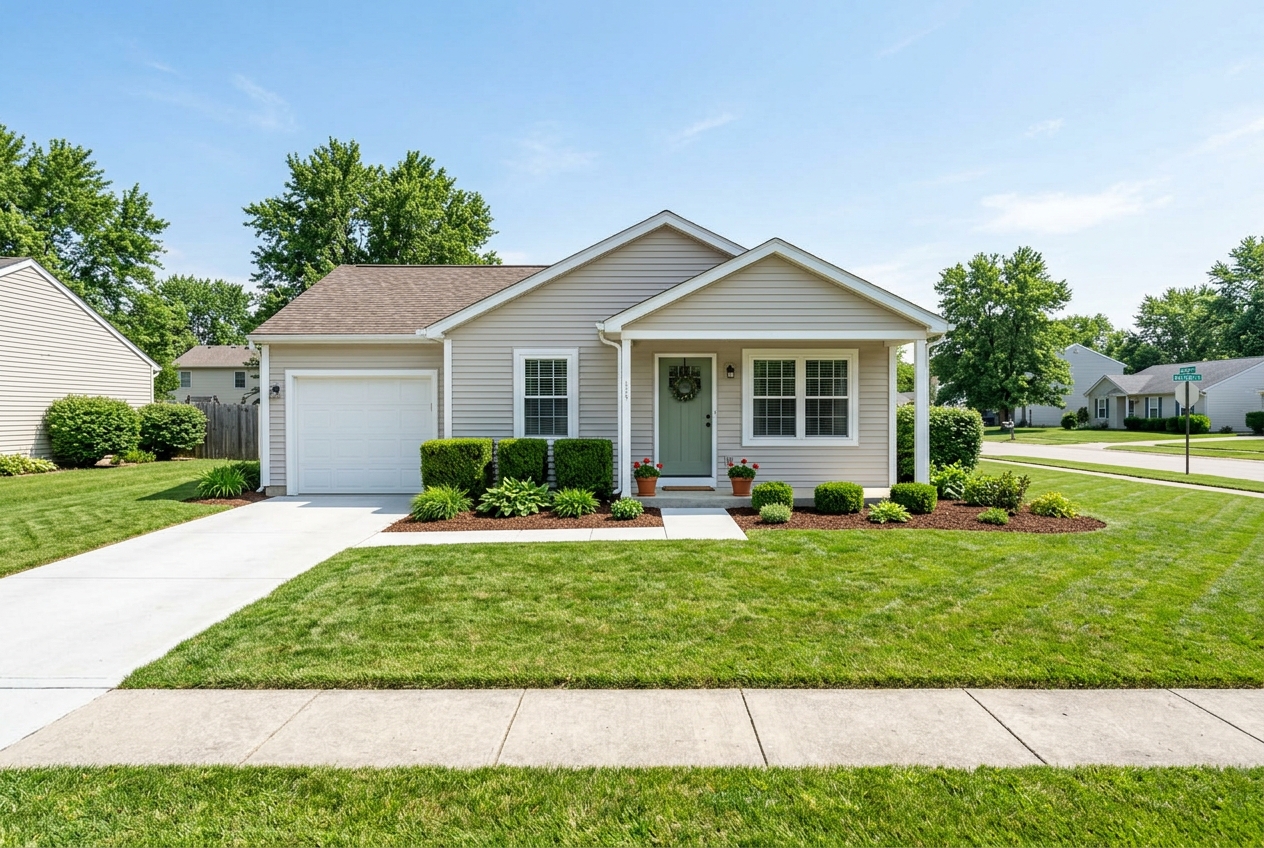
A tight budget rewards sequencing, not ambition. The highest-ROI work usually comes from making the exterior look clean, straight, and maintained. Dirt, crooked lines, and dead edges read as deferred upkeep. Buyers often price that risk into an offer.
A practical order follows the “clean, then color, then contrast” rule. Cleaning makes paint look sharper. Paint makes lighting and hardware look newer. Contrast, like crisp edging and trimmed shrubs, makes the whole facade read as intentional. Sellers can also cross-check choices against resale data that the National Association of REALTORS tracks in its Remodeling Impact Report.
Photo priorities matter as much as project priorities. Most listing galleries lead with a wide exterior shot, so the first dollars should go toward what lands in that frame: driveway and walkway condition, the front door zone, and the landscape edge line. A short pre-list checklist paired with real estate photography tips keeps the work focused on what the camera will actually show.
Budgeting also works better in bands than in single “all-in” numbers. A starter band should cover cleaning, touch-up paint, and one high-contrast detail near the entry. A middle band adds lighting and a coordinated color plan. A full band under a four-figure spend can include one bigger replacement, such as a door or fence repair, without drifting into a renovation.
What Makes Exterior Upgrades Show Up in MLS Photos
The exterior hero shot rewards clarity. Straight vertical lines, bright midtones, and one clear focal point near the entry make a photo feel “finished” at thumbnail size. Busy landscaping without structure often disappears on mobile.
Most photo wins come from reducing visual noise. Trash bins, hoses, toys, and parked cars pull attention away from the front door. Strong symmetry does the opposite. Two planters, matching lights, or aligned shrubs create balance that reads even in a wide-angle shot.
Lighting makes small upgrades look expensive. Warm entry lights reduce harsh shadows under a porch roof. Even in daytime, clean fixtures and clear bulbs remove the dull, gray cast that cheapens the facade. Zillow has highlighted how curb appeal connects to buyer perception in its curb appeal research, which is why camera-facing upgrades often outperform “hidden” repairs at the same cost.
Color choices should support the photo, not fight it. A front door color works best when it contrasts with siding and repeats once, such as in a planter, mat, or hardware. Dark doors can look flat in shade, so a brighter finish or better lighting often matters more than the exact color family.
Quick Wins With the Highest Perceived Value per Dollar
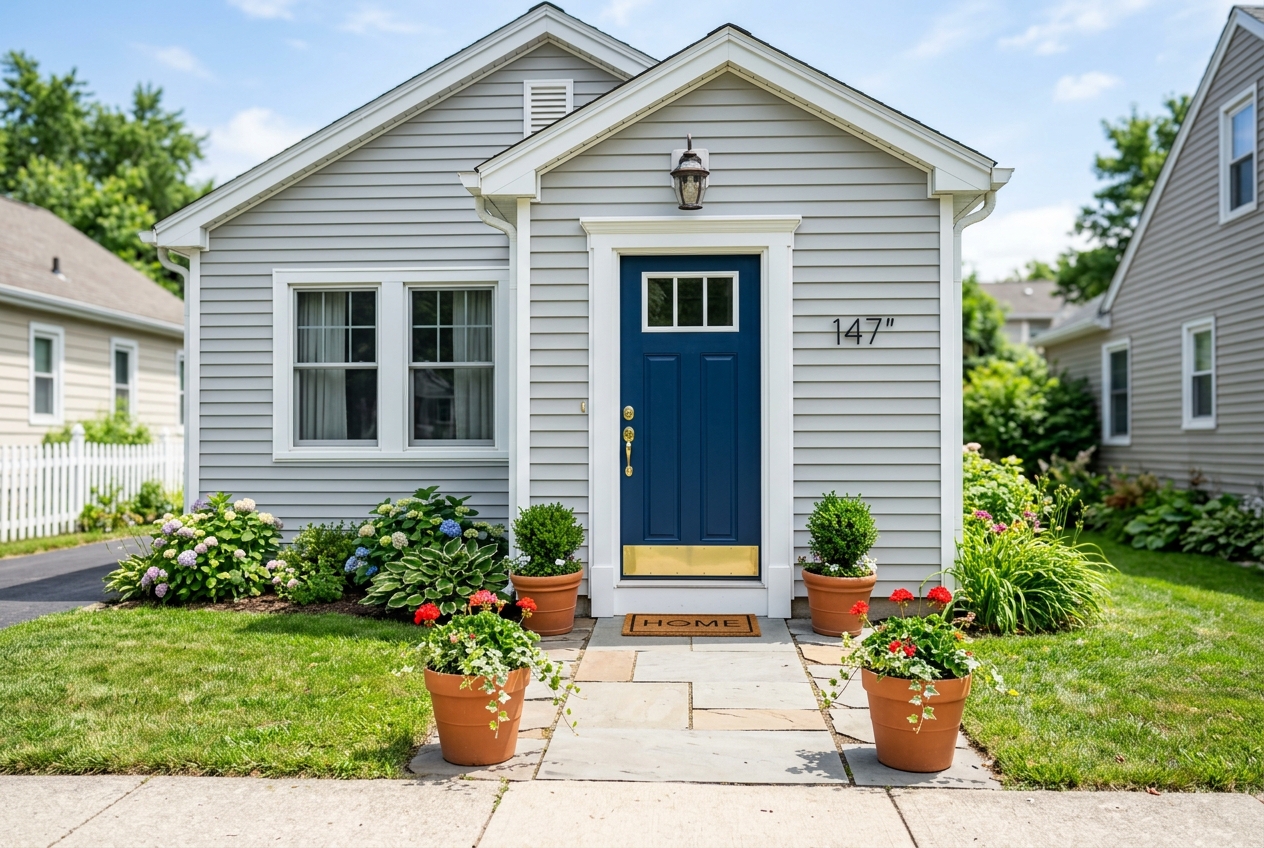
These projects mainly signal care. They also set up the next layer of upgrades by removing grime, clearing sightlines, and creating crisp edges around the entry.
Quick Wins With the Highest Perceived Value per Dollar
Photo tip
Photo tip
Photo tip
Photo tip
Photo tip
Photo tip
Photo tip
Sellers often skip these because they feel “too basic.” Basic reads as maintained. Maintained reduces buyer fear, and fear drives down offers.
Mid-Range Swaps That Make a Home Look Updated
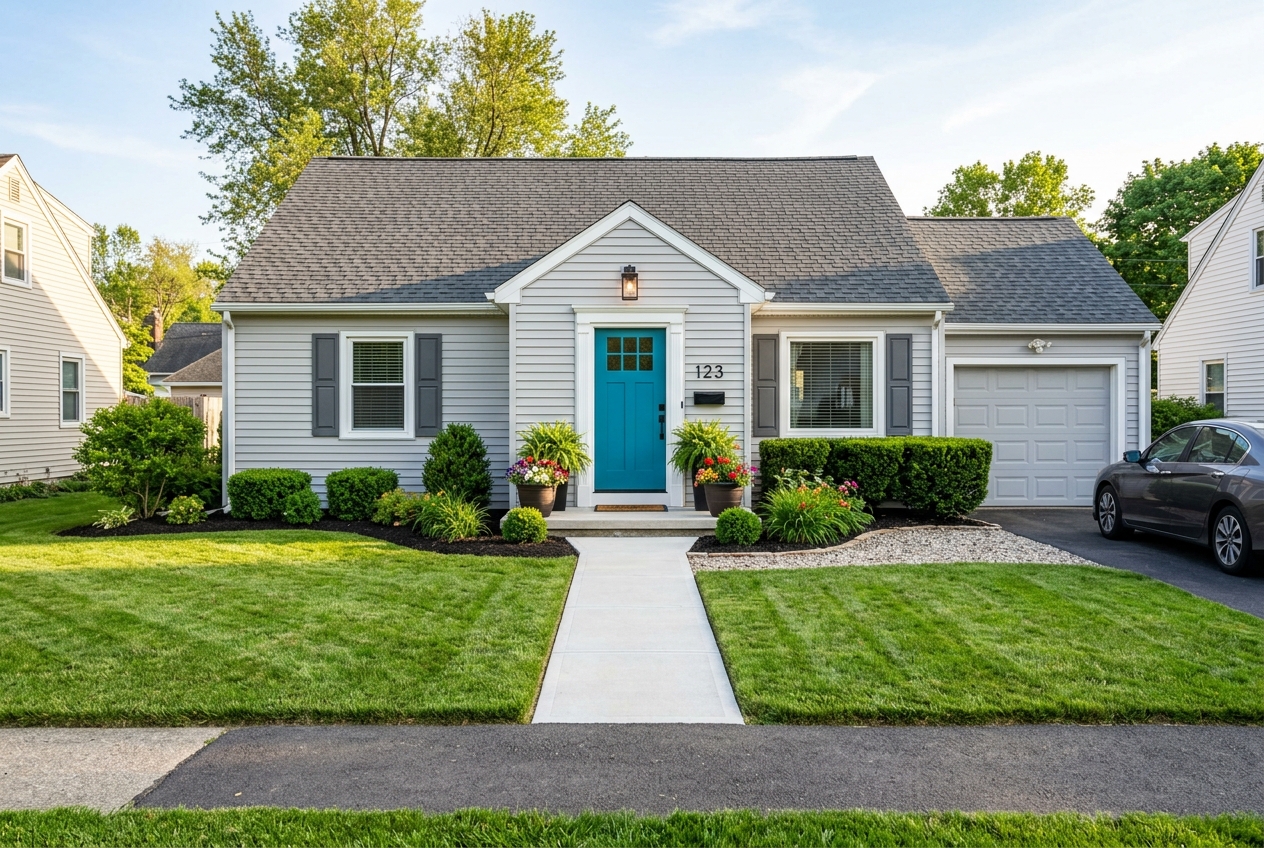
Mid-range curb appeal upgrades work when they change what the buyer reads as “new” without changing the architecture. The sweet spot: entry lighting, a coherent color plan, and details that look intentional in a wide shot.
Photo tip
Photo tip
Photo tip
Photo tip
Photo tip
Photo tip
Photo tip
Electrical work varies by local rules and comfort level. Agents can encourage sellers to hire a licensed pro for fixture swaps when safety feels uncertain.
Bigger Changes That Still Fit Under a Four-Figure Spend
Higher-investment curb appeal upgrades can pay off, but only when they match the neighborhood. The goal is “best on the block for the price point,” not “custom build on a starter street.”
Photo tip
Photo tip
Photo tip
Photo tip
Photo tip
Photo tip
When the budget allows one “big” change, the entry door usually beats complex hardscaping. Buyers see the door in every showing and every exterior photo.
All 20 Upgrades at a Glance
The table below helps agents and sellers pick a mix that fits the property and timeline. Cost bands keep the focus on prioritization, since exact pricing varies widely by market and labor availability.
| Lower cost | Higher cost | |
| High ROI |
Do these first
Pressure-wash driveway |
Worth the spend
Upgrade entry light fixtures |
| Medium ROI |
Easy add-ons
Refresh mailbox |
Lower priority / later
Address monument or post |
A high photo-impact item often earns priority even when ROI feels similar. Listings compete first as images, then as showings.
Seasonal Strategy for Spring vs. Fall Listings
Season changes the “best” curb appeal spend because the camera sees different strengths. Spring rewards color and softness. Fall rewards clean lines, lighting warmth, and tidy hard surfaces.
Spring prep should focus on freshness and contrast. Mulch, a clean walkway, and concentrated color near the entry read well in bright daylight. Grass also rebounds in many climates, so edging and mowing can carry more weight than new plantings.
Fall prep should focus on structure. Leaves, stains, and dark shadows make a home look tired faster than in spring. Warm lighting and a clean porch surface offset shorter days. Evergreens and neutral planters also hold up better than flowers when temperatures swing.
| Spring listing focus | Fall listing focus |
|---|---|
| Fresh mulch and crisp bed edges | Leaf removal and clean hardscaping |
| Concentrated seasonal color near the entry | Warm entry lighting and path lighting |
| Pressure washing for bright surfaces | Porch and deck stain refresh for even tone |
| Trim hedges to reveal windows and roofline | Simple evergreen planters for consistent green |
Speed still matters in any season. Sellers aiming for fewer days on market often pair these moves with broader guidance on how to sell a house fast. For a wider set of exterior prep ideas, Redfin shares practical curb appeal guidance in its curb appeal tips.
Visualize Before Spending With AI Exterior Rendering
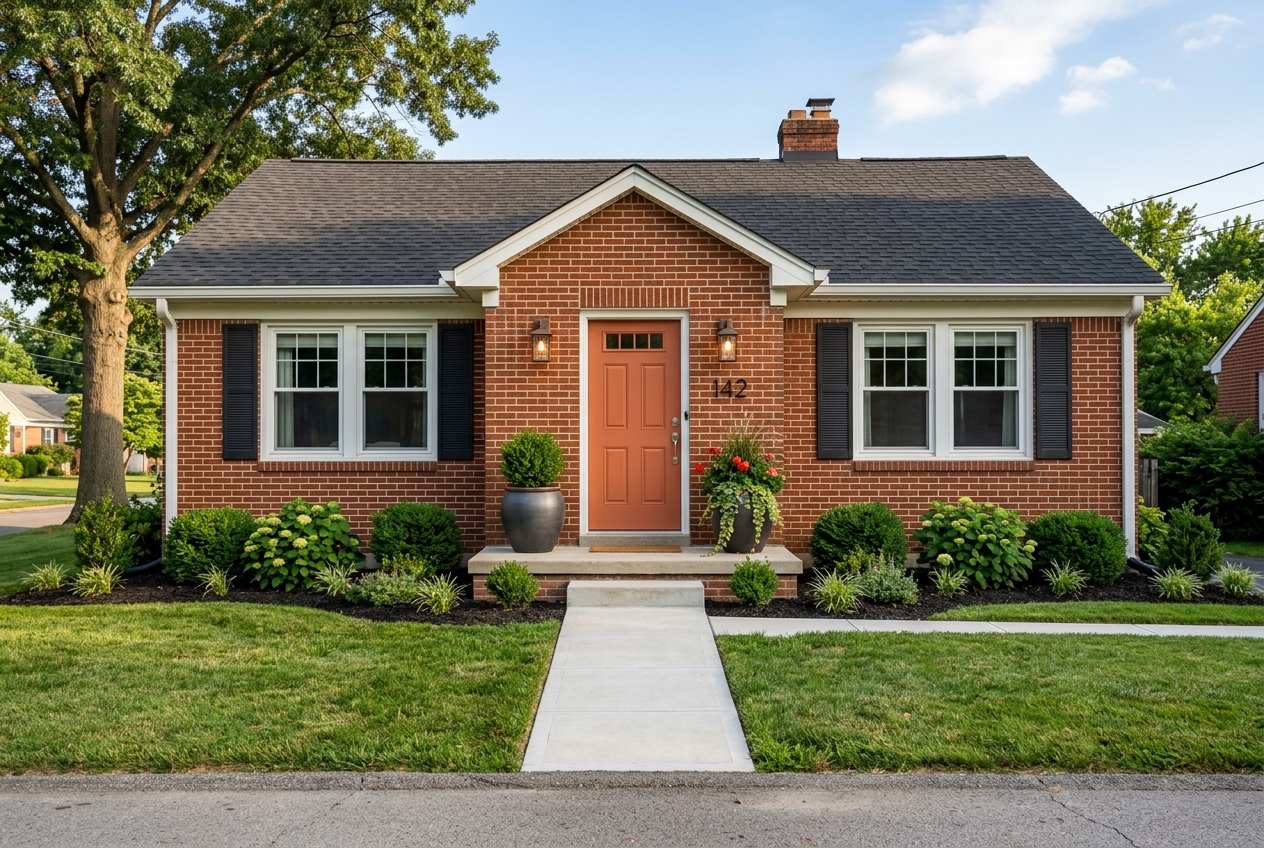
Paint, lighting, and landscaping choices fail for one common reason: the seller cannot see the whole facade result until after the spend. A color that looks fine on a small swatch can read too dark in shade, too cool against brick, or flat next to the roofline.
AI exterior rendering solves that planning gap. A seller can upload an exterior photo and test variations quickly: door and trim palettes, siding tone shifts, planters and greenery placement, and lighting mood. AI Day to Dusk also helps teams preview a twilight look without waiting for perfect conditions, and virtual staging exterior concepts can show a cleaner, more intentional front yard layout.
AI HomeDesign supports this workflow through tools like AI Day to Dusk, AI Virtual Staging for outdoor areas, AI Item Removal for visual clutter, and Image Enhancement for brightness and color balance. After the physical upgrades, agents can also enhance your real estate listing with before-and-after visuals that match the home’s real condition.
Disclosure still matters. Many MLSs and portals allow edited images but expect clear labeling. A practical baseline is to add a Virtually Staged Watermark on any generated exterior rendering and include text such as: “Disclosure: virtually staged and digitally altered.” Rules vary by market, so agents should confirm local MLS rules before publishing.
Make the Upgrades Work Harder in Photos and Listing Copy
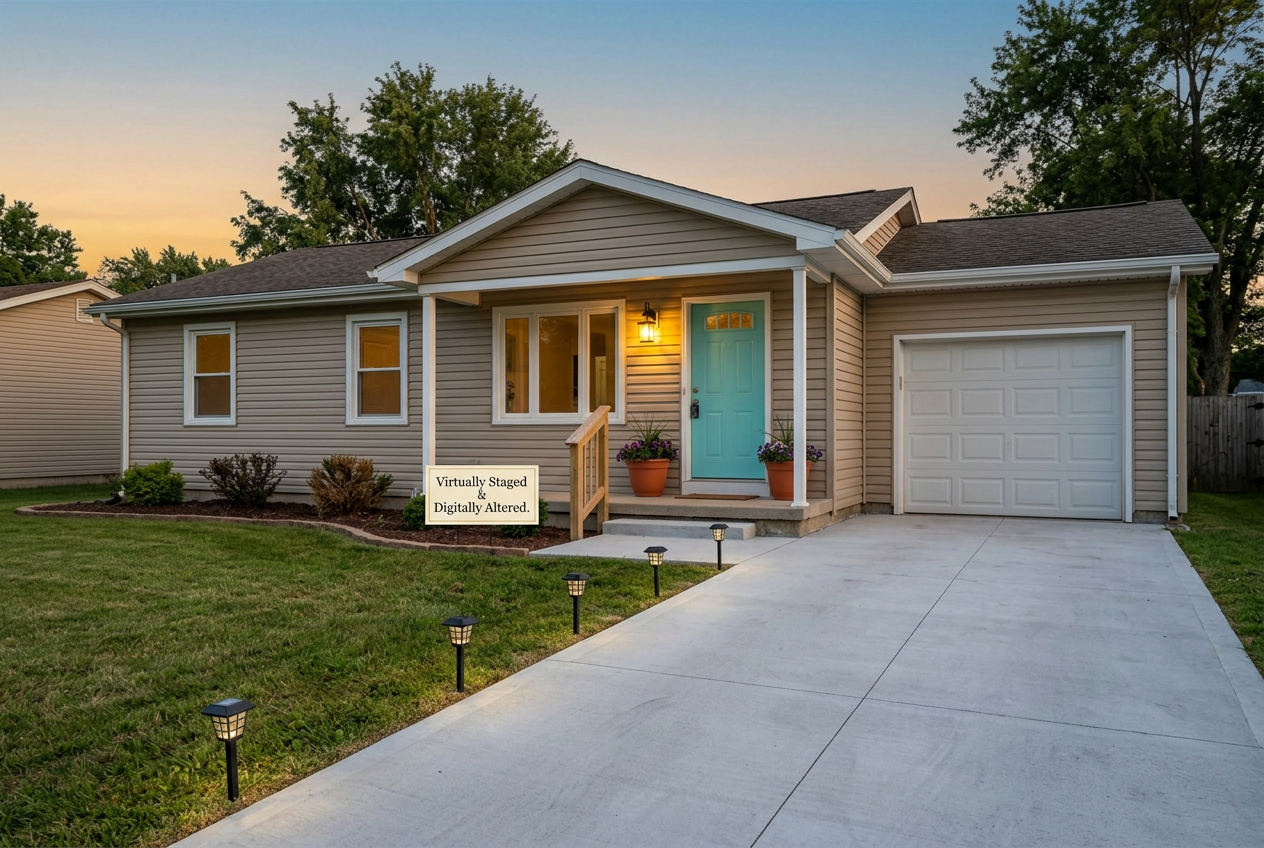
A good exterior set usually needs only a few frames, but every frame must feel deliberate. A clean driveway, an uncluttered porch, and a level camera angle can make modest upgrades look premium. Twilight photos can also help when lighting upgrades or path lights matter.
Agents can set simple shooting standards without turning the prep into a production. Clear cars from the driveway, pull bins out of view, and open blinds on front-facing windows. A wide-angle lens should still keep vertical lines straight. Crooked lines make a maintained home look neglected.
Copy should match what the photos show. Sellers gain trust when the description calls out tangible improvements, such as fresh paint at the entry, updated lighting, and defined landscaping edges. A short checklist for writing effective listing descriptions keeps claims specific and avoids empty adjectives.
For agents, a curb appeal plan also works as a client-service tool. Including a one-page exterior checklist and photo priorities in a pre-listing package can reduce last-minute prep stress and align expectations before the first photo day.
Frequently Asked Questions
How much does curb appeal increase home value?
Curb appeal can support stronger offers because it shapes buyer expectations before a showing. The effect varies by price point, condition, and local supply, so no single number fits every market. Sellers usually see the most impact from clean hard surfaces, a clear focal point at the entry, and simple landscaping structure that photographs well.
What is the cheapest curb appeal upgrade with the highest ROI?
Pressure washing often delivers the best perceived-value lift for the least spend because it removes the “aged” look from concrete, siding, and porches. Clean surfaces also make other upgrades look sharper, especially paint and landscaping edges. For photos, the key is letting surfaces dry fully so the finish looks even.
How do sellers prioritize projects with a limited budget?
A practical approach starts with what shows in the exterior hero photo: driveway and walkway condition, the front door zone, and the landscape edge line. Cleaning and simple paint usually come first, then lighting and symmetry near the entry. Bigger replacements make sense only if a highly visible element looks worn or broken.
Which exterior upgrades photograph best for online listings?
Upgrades with clear contrast and simple geometry show best in wide shots. Clean concrete, a freshly painted front door, updated entry lighting, crisp bed edges, and symmetrical planters read well at thumbnail size. Repairs that sit outside the frame, like backyard work or hidden drainage fixes, can still matter but rarely boost the first click.
Can AI exterior rendering help plan curb appeal changes before spending money?
Yes. AI exterior rendering can preview paint palettes, trim contrast, landscape placement, and even a twilight lighting look from a single exterior photo. That preview reduces guesswork and helps sellers avoid buying materials that clash once applied across the full facade. MLS and portal rules vary, so generated visuals should include clear disclosure.
What disclosure works for virtually staged or AI-altered exterior images?
Many teams use simple, plain-language disclosure paired with a visible label on the image. A common baseline is: “Disclosure: virtually staged and digitally altered.” Adding a Virtually Staged Watermark on the image itself helps avoid confusion when photos get shared. Since MLS rules differ, agents should confirm local requirements before publishing.