Selling quickly rarely comes from luck. Most fast sales come from a tight pre-list plan that protects the first days on market, when buyer attention is highest and price perception gets set.
This guide on how to sell a house fast focuses on the sequence that creates speed, not just a list of chores. It also connects the listing launch to broader real estate marketing strategies so the home hits the market like a coordinated release instead of a slow drip.
The tactics below cover pricing, prep, visuals, marketing, incentives, and the cash-sale fallback. Each tactic includes what to do, when it matters most, and how it changes in a buyer’s market.
Why the First Week Defines the Sale
Buyer demand does not show up evenly over a listing’s life. The strongest burst comes early, because fresh listings trigger alerts, agent conversations, and saved-search activity. A listing that launches with weak photos, unclear pricing, or limited showing access often loses the first wave. Later fixes help, but they rarely recreate the same urgency.
A fast sale starts with one decision: treat the listing like a product launch. That means the home looks finished before the first photo, pricing reads as credible on day one, and the marketing plan runs as a single push. The goal is not “more time on market.” The goal is concentrated attention.
Speed also depends on friction. Every extra step for a buyer slows offers. Clutter adds mental work. Unavailable showing windows reduce competition. Surprise inspection issues delay closing. High-friction listings attract cautious buyers and aggressive negotiation.
A simple operating rule keeps the launch clean. Agents and sellers should lock the plan, prep, and media schedule before the MLS publish date. Then the first week becomes execution, not debate.
How to Sell a House Fast With a First-Week Launch Plan
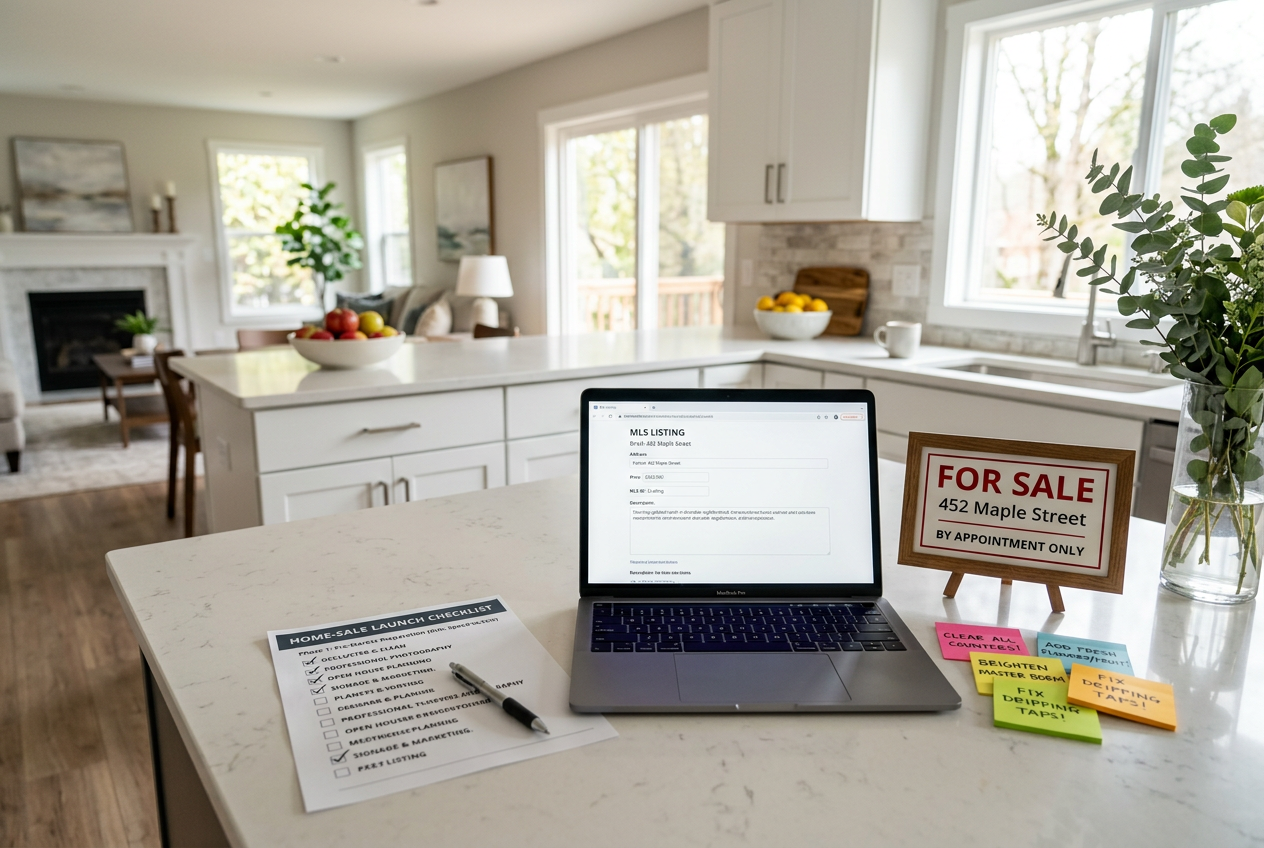
Fast sales often fail before the listing goes live. Sellers try to decide pricing, repairs, staging, and marketing at the same time. That overlap creates delays, and delays create rushed photos and weak copy. A launch plan prevents that.
A practical sequence works across most markets. Tactic label set: pricing decision first, prep second, photos third, marketing fourth. Pricing guides which repairs make sense. Prep sets the stage for photos. Photos and copy power every marketing channel.
Agents should keep the written deliverable tight and actionable. The document should include the timeline, a short prep checklist, and the media plan. Sellers absorb that well on paper. Sensitive topics belong in the in-person conversation: pricing emotion, family timelines, and how far negotiation should go. Those topics need tone and context.
Commission and fee figures should stay out of public-facing materials. Buyers do not need them to decide on a showing, and many sellers do not want them shared widely. Agents can cover costs in the listing agreement and net sheet, then reinforce it verbally. The listing’s public job stays simple: generate tours and offers.
Price and Terms That Pull Offers Forward
Speed starts with pricing that reads as “already fair.” Buyers compare new listings to recent sales and active competition within minutes. If the price sits outside that mental range, buyers do not schedule a tour. They wait for a reduction, or they move on.
Tactic one: price it right from day one. A strong agent builds a comp set, adjusts for condition, and tests the number against current competition. In a buyer’s market, the faster approach usually lands at the sharper end of the reasonable range. That creates more tours, and tours create negotiation strength.
Terms matter almost as much as the number. Tactic ten: offer incentives that solve affordability. Credits, rate support, and flexible closing timelines can pull hesitant buyers into an offer without permanently anchoring a lower headline price. Incentives also help when a seller wants speed but dislikes repeated price changes.
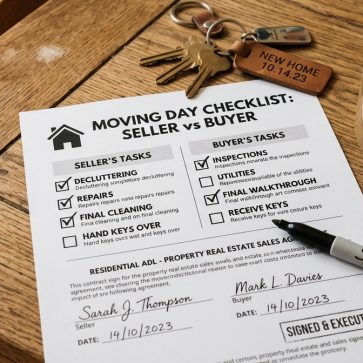
A fast offer often follows a simple promise: fewer unknowns. Sellers can improve certainty by offering clear possession terms, providing key documents early, and making acceptance timelines easy to understand. When buyers can picture the path to closing, they act faster.
Prep the Property Before Cameras Arrive
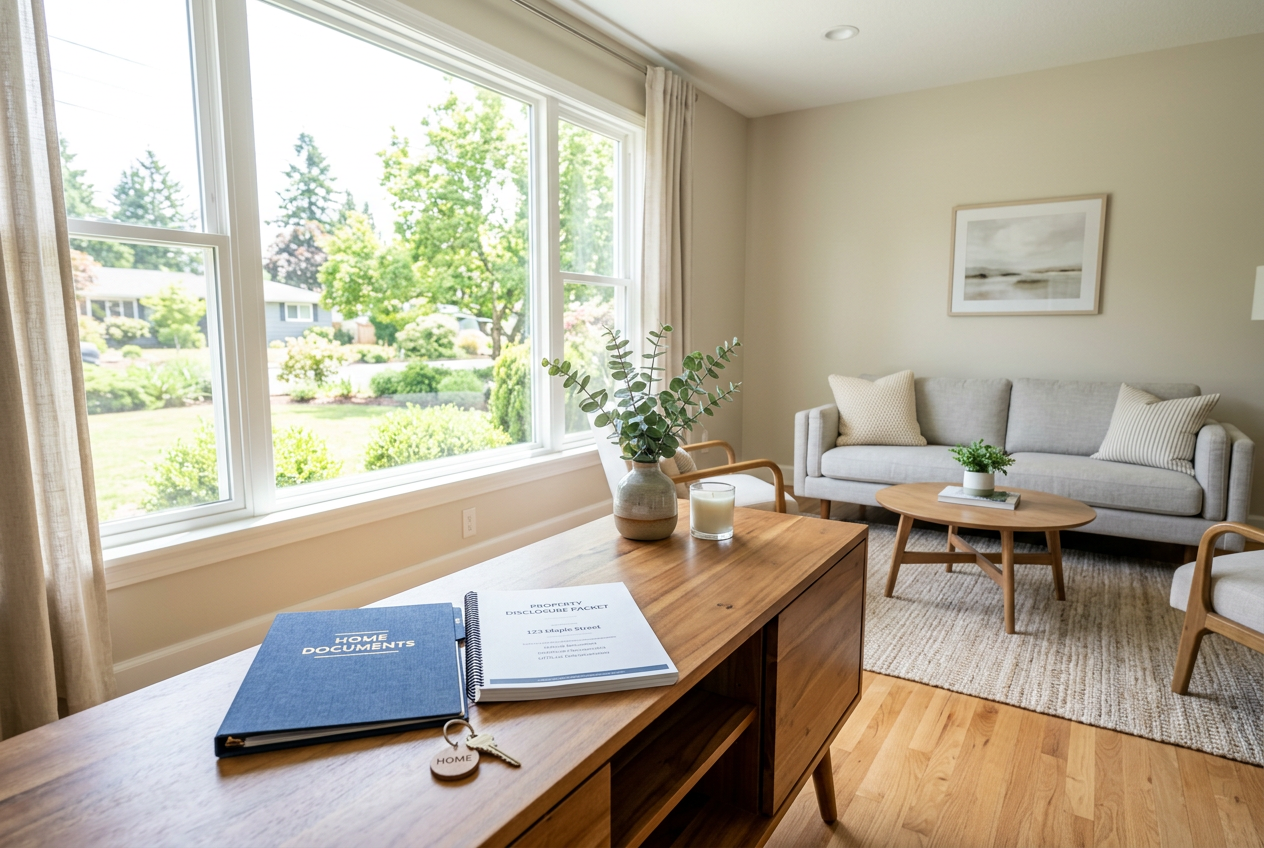
The market does not reward “good bones” in listing photos. Photos reward cleanliness, light, and space. Prep creates those conditions, and the work has to happen before the photographer shows up.
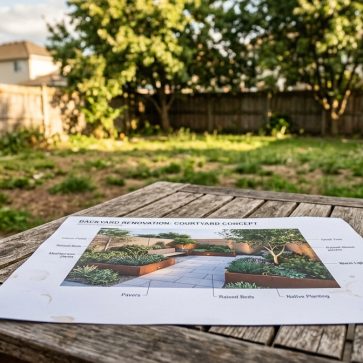
Tactic two: boost curb appeal before photos are taken. Small exterior fixes change click behavior because the first photo often sets the emotional tone. A clean entry, simple landscaping lines, and working exterior lights photograph better. That matters even more when many similar homes compete nearby.
Tactic three: declutter, depersonalize, and stage strategically. Decluttering removes decision fatigue for buyers. Depersonalizing helps buyers picture their own routines. Strategic staging does not require full furniture replacement. It requires clear traffic paths, balanced room scale, and purposeful focal points.
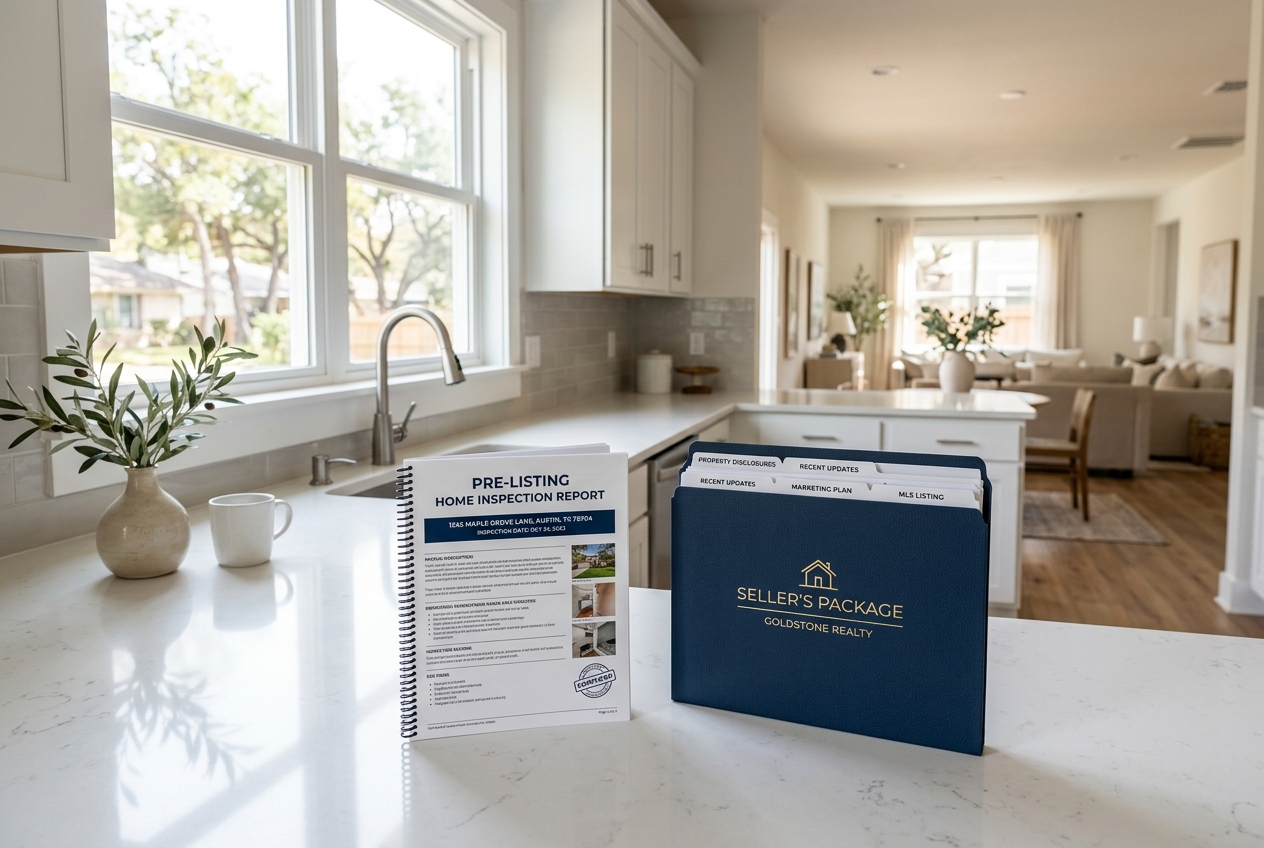
Tactic seven: get a pre-listing home inspection and fix deal-killers. Inspection surprises slow closings and reopen negotiations. A pre-listing report lets sellers fix high-risk issues early or disclose them cleanly. Agents who package that story well often use a pre-listing package to keep the narrative organized.
Photos That Stop the Scroll With AI Virtual Staging Real Estate
Most buyers decide whether to tour based on photos, not the address. That makes visual presentation the fastest controllable lever for days on market. Great photos create belief. Average photos create doubt.
Tactic four: invest in professional photography and visual presentation. A pro photographer controls light, lens choice, and room angles. That keeps walls straight and spaces readable. Agents should also demand a clear delivery window in days. A one-day turnaround supports a tight launch schedule and avoids stale momentum.
Vacant or lightly furnished homes face a specific problem: empty rooms look smaller and colder online. Tactic four extension: add AI virtual staging for speed. AI HomeDesign lets agents upload a photo, apply AI Virtual Staging, and download listing-ready images quickly. It also supports Image Enhancement and AI Item Removal, which helps clean up distractions without reshoots. For deeper context on why this works, see visual marketing and staging’s impact on listings.
AI-edited visuals require clear Disclosure. Many MLS Rules and local boards expect transparency. A simple standard works in most places: add a Virtually Staged Watermark on the image when possible, and add a caption such as, “Disclosure: this image has been virtually staged to illustrate furnishing potential.” Agents should also follow local MLS photo specifications so uploads do not degrade image quality.
| Attribute | Physical staging | AI Virtual Staging using AI HomeDesign |
|---|---|---|
| Speed to listing-ready photos | slower to schedule and set up | near-instant turnaround after upload |
| Best fit | luxury occupied homes, high-touch presentation | vacant homes, dated rooms, fast relaunches |
| Logistics | movers, storage, installation windows | no onsite setup needed |
| Consistency across many rooms | depends on inventory and installer availability | consistent style options across the full photo set |
Hire a Listing Agent With a Marketing System
A fast sale needs more than posting to the MLS. It needs a repeatable system that makes the home easy to tour and easy to trust. Top agents run a checklist, not a vibe.
Tactic five: hire a strong local agent with proof. Sellers can screen for speed by asking for recent listing timelines, the marketing plan for the first week, and a clear pricing method. A strong agent explains the plan in plain language and shows how the home will stand out against direct competition.
Process discipline matters because small misses stack up. A delayed photo schedule pushes the launch. Weak copy attracts fewer tours. Poor showing access reduces buyer confidence. The agent’s job is to remove those friction points and keep the timeline moving.
Presentation also extends beyond photos. Agents can improve the full page view with small upgrades that make the listing feel complete. The checklist in enhance your real estate listing fits well alongside the photo plan, especially when a seller needs speed in a crowded market.
Maximize Showing Access and Create a Strong First Weekend
Showings create the only real signal that matters: competition. Every denied showing request removes one buyer from the pool. In a slower market, that often means the difference between one offer and none.
Tactic six: maximize showing access in the first days. Sellers should keep appointment rules simple, allow same-day tours when possible, and keep the home consistently presentable. A lockbox and clear instructions also help buyer agents schedule quickly.
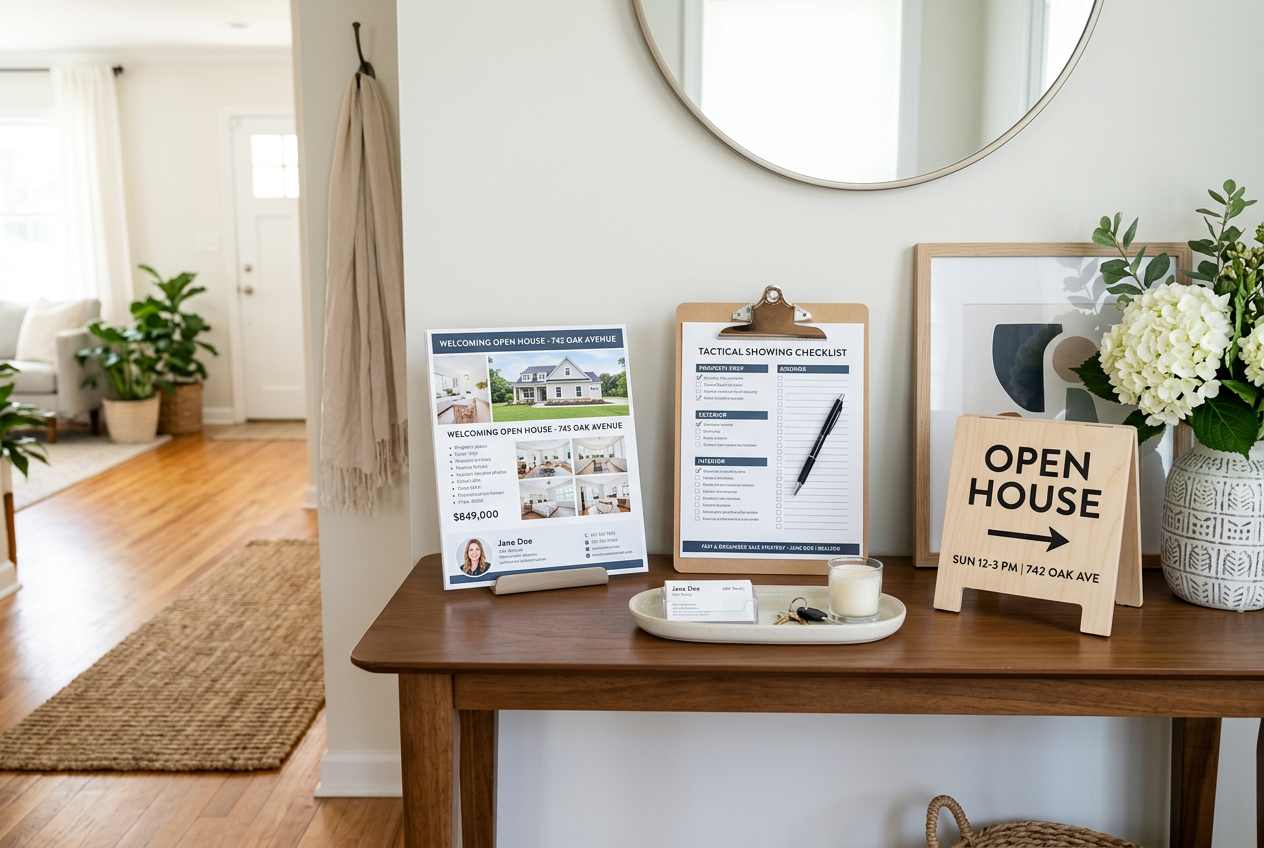
Tactic nine: host a strategic open house early. A strong open house concentrates activity and creates social proof. Agents can also use the event to collect real buyer feedback, then adjust price, photos, or incentives quickly instead of guessing.
Execution matters more than snacks. Agents who follow a repeatable plan, signage flow, and follow-up script drive more second showings. The tactical checklist in open house ideas that bring in buyers helps tighten the first-weekend plan without adding complexity.
Run a Coordinated Marketing Blitz in the Launch Window
Marketing fails when it happens in pieces. A flyer goes out one day, social posts follow later, and the open house gets scheduled after momentum fades. A fast sale comes from coordinated distribution.
Tactic eight: execute a first-week marketing blitz. The MLS publish should align with photo delivery, listing description, social scheduling, and agent-to-agent outreach. That approach creates one clear message and one clear wave of traffic. The copy matters because it frames the home’s story and filters for serious buyers. The guide on writing an effective listing description helps agents avoid vague phrasing that wastes clicks.
Paid distribution becomes more important as inventory rises. Organic reach alone may not pull enough buyers into the funnel. Targeted local campaigns, retargeting, and short-form video can all add tours when the MLS feed looks crowded. The campaign menu in real estate advertising ideas gives a practical list of options that match common seller budgets.
A launch window also needs a decision cadence. Agents should review showing volume, feedback, and online engagement quickly. Then adjustments happen while the listing still feels new.
Use a Buyer’s-Market Overlay and Know When to Switch Paths
Some listings fail because the market shifted, not because the home is “bad.” High inventory changes buyer behavior. Buyers compare more homes, negotiate harder, and wait for better terms. Sellers who want speed must out-market and de-risk the transaction.
Buyer’s-market overlay: change the order of operations. Sellers should invest more in visual differentiation, tighten showing access rules, and introduce incentives earlier. Strong visuals matter more when buyers scroll through many similar listings. That makes AI HomeDesign a practical add-on, because AI Virtual Staging can refresh empty rooms without delaying the launch.
Tactic eleven: treat cash offers as a speed baseline. Cash buyers and iBuyer-style cash-offer platforms can close faster than a traditional financed sale. That speed often comes with a trade-off in price and terms. Sellers can still use the offer as a reference point, then decide if the open market can beat it with acceptable risk.
Tactic twelve: use symptoms to pick the right fix. Sellers can move faster by diagnosing before changing price. Common patterns help:
- Symptom: no showings early. Diagnosis: price or photos fail the initial filter. Action: sharpen price, upgrade visuals, and refresh the lead image.
- Symptom: showings happen, offers do not. Diagnosis: condition, presentation, or terms block commitment. Action: offer a targeted incentive, improve staging, or address a clear repair concern.
- Symptom: offers arrive, deals fall apart. Diagnosis: inspection and financing risk. Action: share inspection documentation, tighten disclosures, and simplify contract terms.
- Symptom: traffic slows after the first week. Diagnosis: the launch underperformed. Action: relaunch with new photos, revised copy, and a new event plan.
A consolidated budget view helps keep decisions rational.
| Tactic | Typical cost band | Time | Speed impact |
|---|---|---|---|
| Price to market | No agent cost; appraisal extra | fast | high |
| Curb appeal refresh | Low hundreds to low thousands | fast | medium |
| Declutter and depersonalize | Low to moderate | moderate | high |
| Professional photography | Low hundreds | scheduled | high |
| AI Virtual Staging with AI HomeDesign | Per photo or plan-based | fast | high |
| Agent marketing system | Commission-based | immediate | high |
| Flexible showings | Low to none | immediate | high |
| Pre-listing inspection and repairs | Low hundreds+, varies by findings | moderate | medium |
| First-week marketing blitz | Low to moderate; more with ads | fast | high |
| First-weekend open house | Low | fast | medium |
| Buyer incentives | Moderate to significant | fast | medium |
| Cash offer path | Free to request; discount varies | fast | high |
Paid and organic marketing both matter in this environment. The channel strategy in social media for real estate helps agents and sellers keep distribution consistent when competition rises.
Fast-Sale Checklist for the Next Two Weeks
Speed improves when sellers treat prep and launch as one calendar, not a set of optional tasks. A clean checklist also reduces stress, because each decision has a place.
Agents can start by locking three dates: prep completion, photography day, and MLS publish. Next comes the pricing decision and incentive posture, because those choices control how buyers interpret the listing on day one.
Sellers can then run through the high-return prep: curb appeal, declutter, simple repairs, and inspection planning. After that, the visual package gets built, including professional photos and AI Virtual Staging for rooms that photograph empty or dated.
Once the listing is live, the plan should focus on access and coordinated promotion. Showings, an early open house, and a first-week marketing push create the best shot at quick offers. If the launch underperforms, the decision framework above keeps adjustments fast and calm.
Frequently Asked Questions
What is the fastest way to sell a house without taking a big discount?
The fastest path without a large discount usually comes from a strong first-week launch, not a rushed acceptance. Sellers can price to market, remove friction with flexible showings, and use high-quality visuals so buyers trust the listing online. If urgency remains high, a cash offer can still set a baseline for speed while keeping the MLS option open.
Does virtual staging work if the home is occupied?
Virtual staging can still help when an occupied home has mismatched furniture, crowded rooms, or hard-to-photograph layouts. Agents can virtually stage only a few key spaces to show a cleaner style direction, while keeping most photos true to the current condition. Clear Disclosure and consistent labeling keep expectations aligned during tours.
What Disclosure language should appear with virtually staged photos?
Many MLS Rules and local board policies expect clear labeling. A common approach uses a Virtually Staged Watermark on the image when possible, plus a caption such as: “Disclosure: this image has been virtually staged to illustrate furnishing potential.” The goal is transparency, so buyers understand the photo shows a concept and not the current contents.
Can a seller sell fast without a realtor?
A seller can move quickly without an agent, but speed depends on execution and availability. Pricing accuracy, showing access, and contract management often become the bottlenecks for a self-sale. Sellers who go this route should still invest in professional photos, prepare required disclosures, and use a real estate attorney or transaction coordinator to avoid delays at contract-to-close.
What repairs usually matter most for a fast sale?
Fast sales usually benefit from repairs that remove safety concerns, active leaks, and obvious mechanical issues. Cosmetic work helps when it improves photos, such as patching holes, fixing broken fixtures, and touching up paint where damage stands out. Large remodels rarely speed a sale unless they address a clear buyer objection that blocks financing or inspections.
How can sellers estimate how fast a house will sell in a buyer’s market?
A seller can estimate speed by comparing the home to the active competition, not just past sales. Key signals include how many similar homes are available, how long they have sat, and whether they needed incentives to move. Faster outcomes usually come from sharper pricing, better visuals, and higher showing access than the direct competitors.