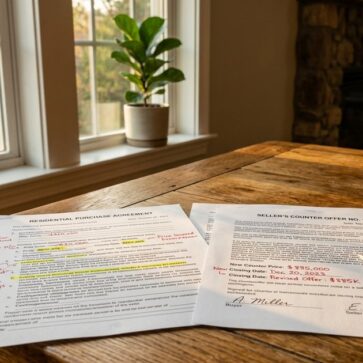
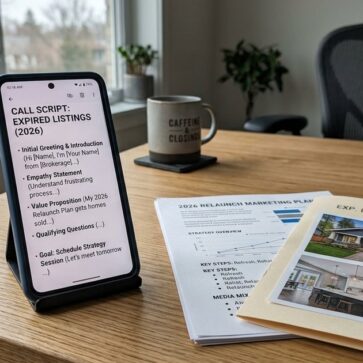
A pre listing package does more than introduce an agent. It sets the agenda, lowers seller stress, and frames the appointment around proof instead of promises. Sellers who review clear materials before a meeting ask better questions and reach decisions faster. A strong package also fits into a wider system of real estate marketing strategies that keeps pipeline, listings, and referrals consistent.
Many agents still treat pre-appointment materials like an afterthought. That choice forces the first meeting to carry the full load of trust, pricing logic, and marketing credibility. A tighter approach sends a clean, personalized packet early, then uses the appointment to confirm fit and handle the hard topics.
What a Pre-Listing Package Is and What It Does
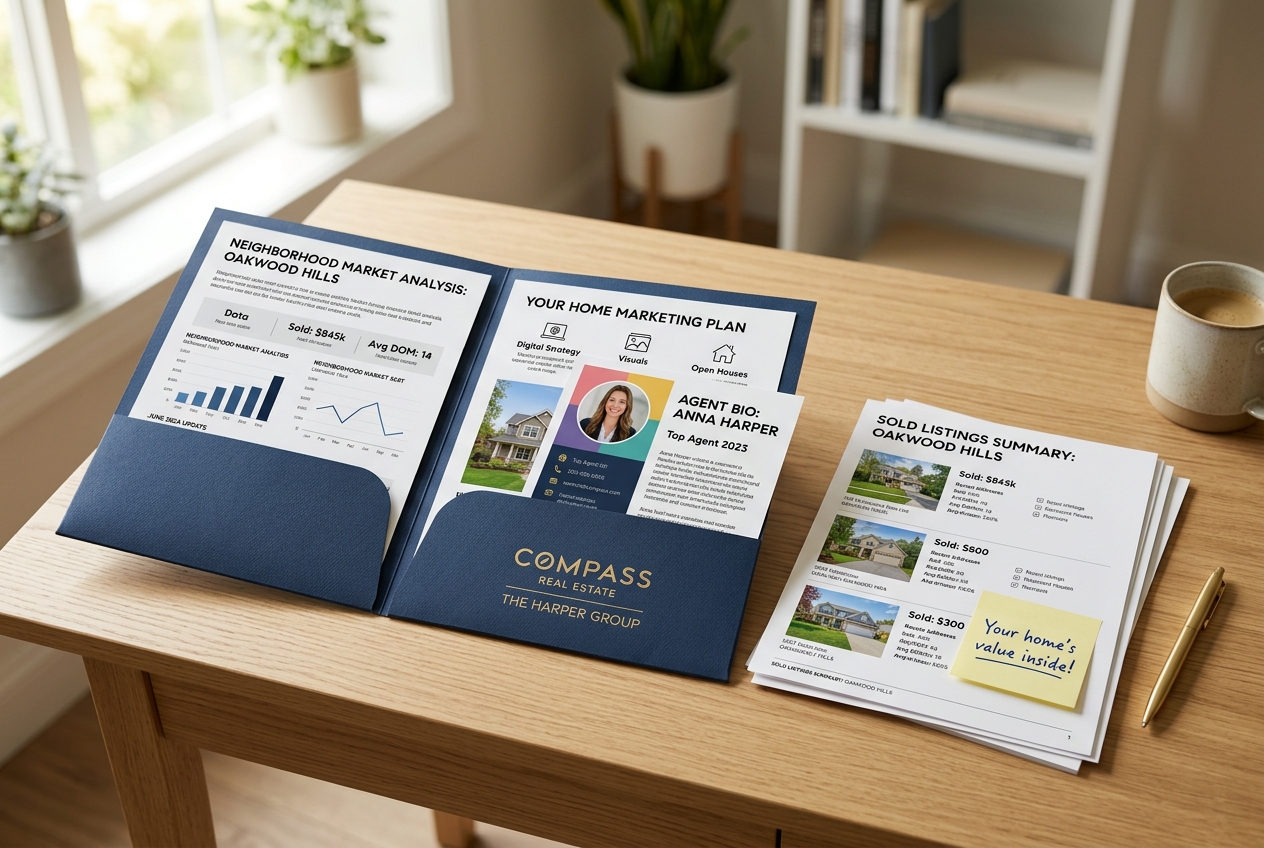
Sellers rarely struggle with finding an agent. Sellers struggle with choosing one. A pre-listing package solves that problem by giving sellers a simple way to compare agents before the meeting. It answers three quiet questions: can this agent market the home, can this agent price it well, and can this agent run the process without surprises.
A pre-listing package is not the full listing presentation. The package arrives before the appointment and primes the conversation. The presentation happens live and adapts to reactions, objections, and new facts learned in the home. The package should feel like a preview that makes the appointment smoother, not a script that replaces it.
Good packages also reduce friction inside the household. Many sellers share materials with a spouse, adult child, or advisor. A well-built packet gives that second decision-maker clear context without a long phone call. That shared clarity often prevents late objections.
The strategic purpose stays simple: pre-sell the process. Agents who send a focused package arrive as the organized option. Agents who arrive empty-handed often compete on personality and price alone, even when skills are stronger.
Core Elements to Include and What Each One Proves
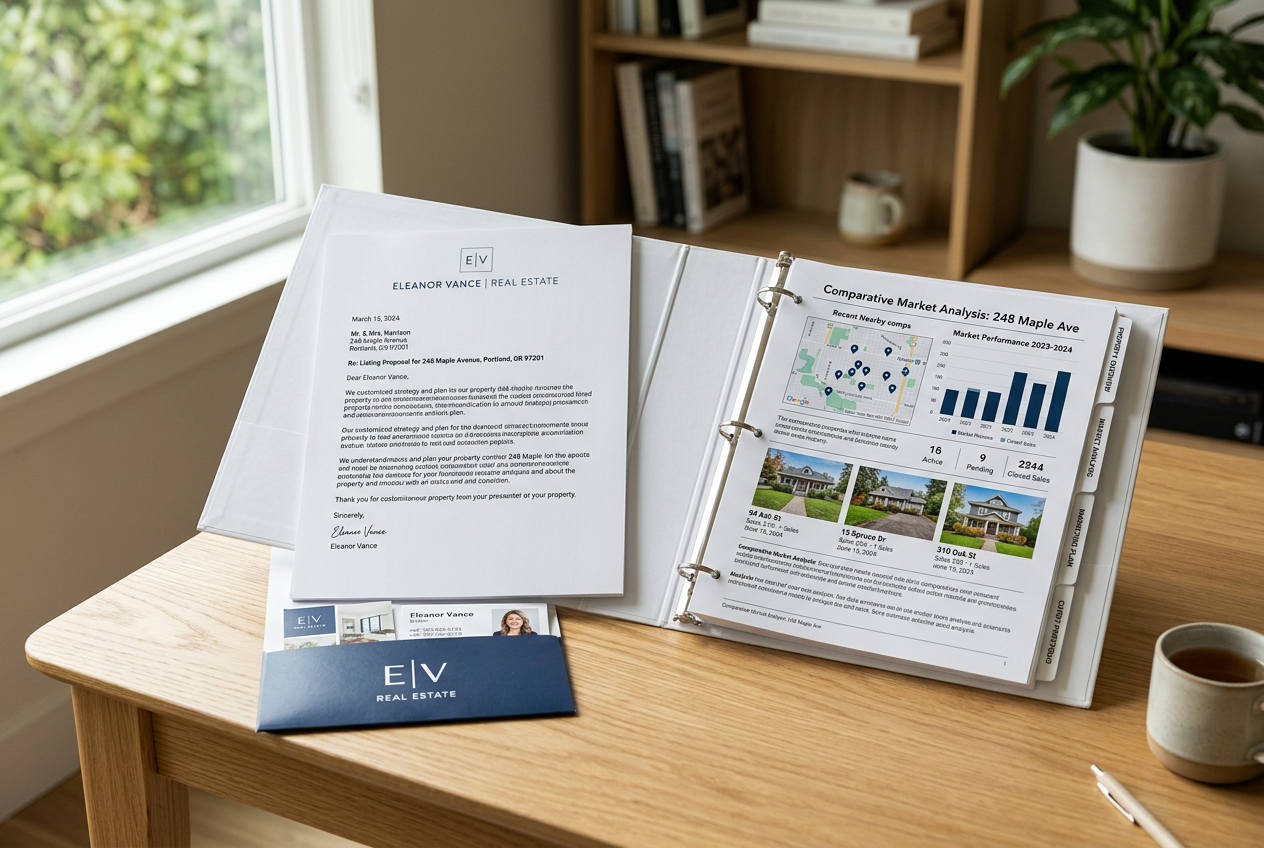
Seller trust rises when every page earns its place. A tight packet avoids filler and uses proof. The opening should include a short cover note tied to the address, the seller goal if known, and the appointment time. A single page that sets expectations often raises the read-through rate.
Credibility pages come next. An agent bio should show role, local focus, and the service style in plain language. A track record section works best when it uses specific examples, not hype. Testimonials should include context like property type or challenge, not generic praise.
Market pages should preview the pricing logic without forcing a final number too early. A CMA snapshot can show comparable activity, buyer demand cues, and a pricing range with clear assumptions. A separate marketing plan section should show channels, timing, and sample assets. Copy samples signal skill, so a short excerpt can link naturally to writing effective listing descriptions.
Visual proof often wins the emotional side of the decision. A package should include a few before-and-after examples of edited photos, virtual staging, or improved lighting, plus a note about standards for professional real estate photography. Any AI-edited or virtually staged image should include this disclosure line near the image: “This image has been virtually staged and or digitally altered using AI. It is for marketing illustration only and does not represent current property conditions.”
Digital, Physical, and Hybrid Formats That Fit Real Sellers
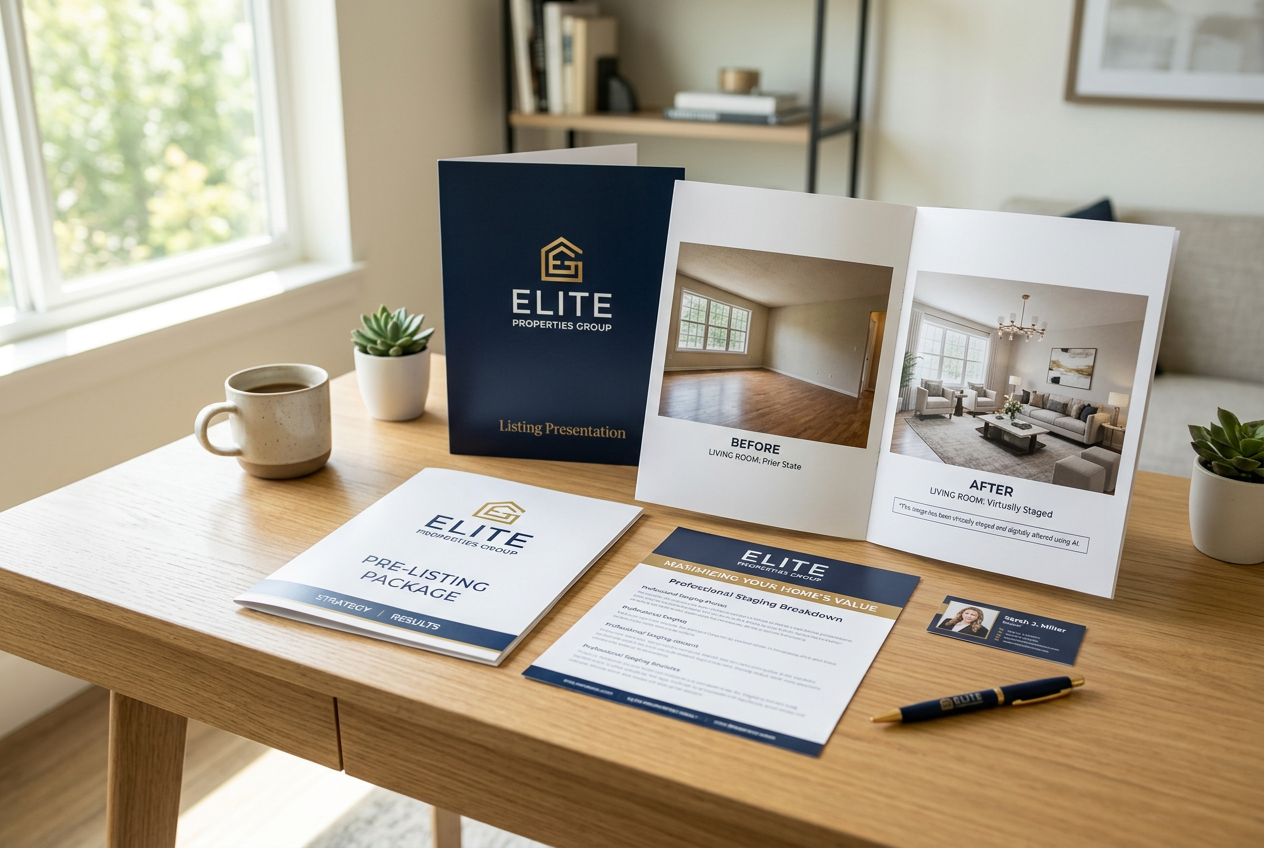
Format choice signals how an agent works. Digital delivery feels fast, modern, and easy to share. Printed delivery feels formal and can read as premium when done well. Hybrid delivery often covers both styles without doubling effort.
Digital packets work best when they feel designed for reading on a phone. A short PDF with clean headings beats a long document with dense text. Trackable links also show what sellers opened, which helps the follow-up call stay relevant. Broader digital marketing for real estate agents can then carry the same brand into the listing phase.
| Format | Strengths | Limits | Best fit |
|---|---|---|---|
| Digital PDF or link | easy to personalize, easy to share, can be tracked | can feel disposable if design is weak | most sellers, remote meetings, tight schedules |
| Printed binder | tangible and memorable, good for in-home review | harder to update, no click tracking | high-touch households, formal decision-makers |
| Hybrid | combines trackable preview with in-person polish | requires process discipline | mixed households, luxury plus practical buyers |
Physical packets still matter in specific situations. A short binder with thick paper, clean tabs, and high-quality image pages can signal care. Agents should avoid heavy inserts, long printouts, and pages that repeat what the meeting will cover in detail.
Pre Listing Package Timing and Delivery That Gets Read
Sending too early invites distraction and stale data. Sending too late turns the packet into a formality. Agents should send the package one to two days before the appointment. That window gives sellers time to review and share it, while keeping comps and market notes current.
The delivery method should match the seller’s habits. A trackable link plus a short email often works best. The message should name the meeting time, list the key sections, and set a simple request, such as noting questions on pricing and timing. A same-day confirmation call works well when it stays brief and stays focused on clarity.
A clear boundary keeps the packet useful. The packet should include the process, a marketing plan outline, proof pages, and a pricing narrative with a range and assumptions. The appointment should hold the deeper items: the final recommended list price, hard conversations about condition, and the seller’s true timing and motivation. Those topics depend on the walkthrough and the seller’s reactions.
Commission or fee figures should stay out of the packet. Numbers on fees pull attention away from outcomes and invite comparison before value lands. The live meeting allows the agent to tie compensation to scope, risk, and service level, then document it cleanly in the listing agreement.
Customization by Seller Persona Without Rebuilding Everything
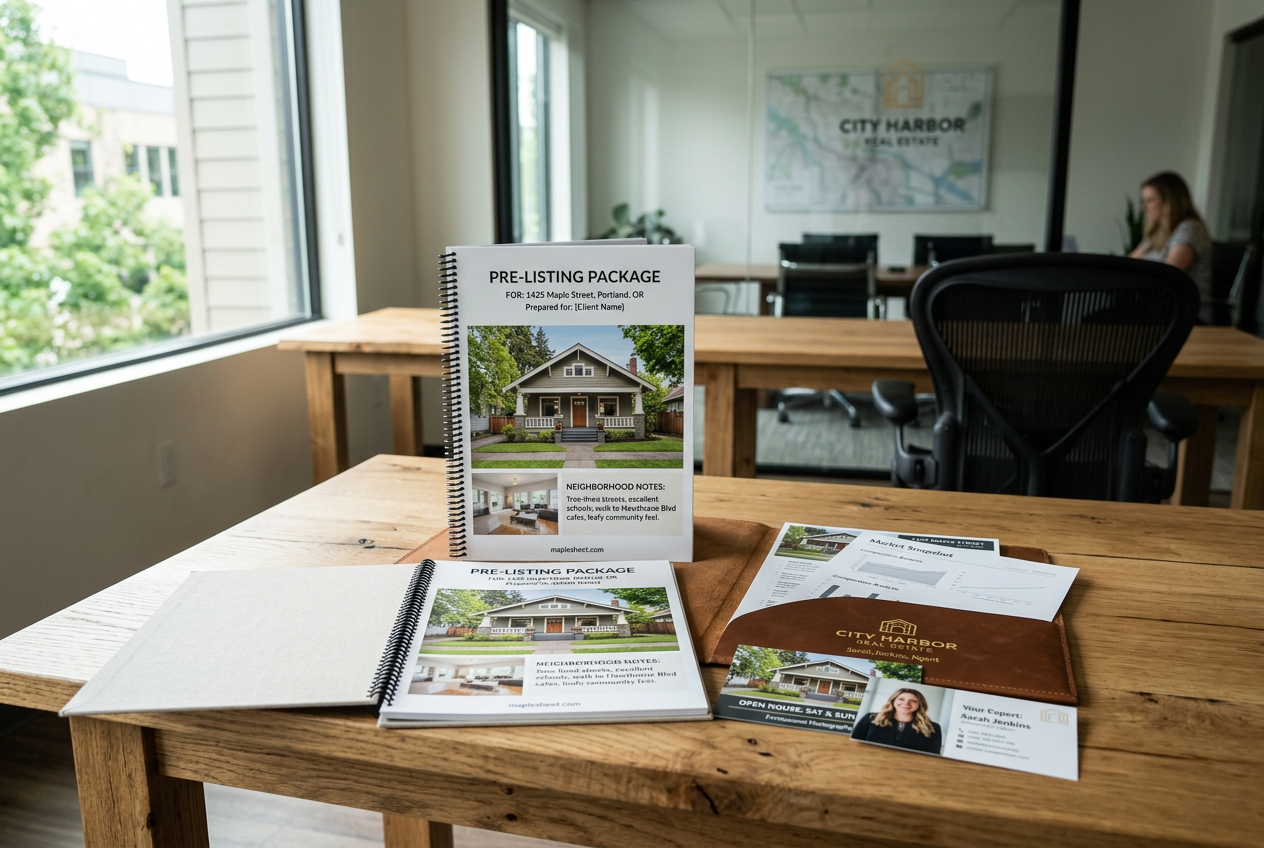
Personalization works when it feels specific, not when it adds pages. Agents can keep a standard structure and swap the proof, the language, and the first page. The address, neighborhood notes, and a short “what matters here” paragraph usually do more than a long rewrite.
Luxury sellers respond to discretion and control. The packet should lead with a concise marketing calendar, high-end visual examples, and clear showing management. A short section on visual marketing for real estate helps frame why imagery and staging choices shape buyer perception.
First-time sellers often fear mistakes and hidden steps. The packet should highlight the timeline, decision points, and who does what. A glossary box can define CMA, appraisal, inspection, and net sheet in plain terms. Testimonials should favor calm process stories over big sale prices.
Downsizers and estate-related sellers focus on coordination. The packet should show vendor management, donation and haul-away options, and a plan for staging without disruption. Investor and landlord sellers prioritize speed and certainty, so the packet should emphasize pricing strategy, tenant communication plans, and a clean path to listing compliance.
Step-by-Step Process to Build the Package Fast
A repeatable build process prevents last-minute scrambling. The best workflows separate fixed pages from variable pages. Fixed pages include bio, services, marketing standards, and sample assets. Variable pages include address-specific notes, comps, and a tailored selling plan.
Time control matters as much as content. Agents can set a simple rule: no new design decisions during build. A template carries fonts, spacing, and page order. The work then becomes filling blanks with relevant facts and proof.
Quality control starts before the first draft. Agents should decide what the packet will not do. It should not debate every objection, show every comp, or include a long contract explainer. The packet should create confidence and tee up the conversation.
Delivery planning belongs in the build stage. A final page should state next steps, meeting time, and what the seller should prepare, such as a list of upgrades. A clean file name and a consistent email subject line also reduce confusion.
Step one: Build the base template
The agent sets a consistent page order, fonts, and brand colors in a reusable template. This step matters because sellers judge organization before they judge strategy. A finished template also speeds future packets. The expected result is a clean shell that needs only property-specific inserts.
Step two: Gather property and neighborhood inputs
The agent pulls basic property facts, neighborhood positioning, and a short comp set for context. This step matters because a generic packet feels like a mass email. Local inputs also support pricing logic later. The expected result is a one-page market snapshot and a shortlist of comps to discuss.
Step three: Draft the pricing narrative and boundaries
The agent writes a short explanation of how pricing decisions happen, what data drives the range, and what changes the range. This step matters because sellers often confuse pricing with guessing. Clear boundaries also prevent the packet from locking into a number too soon. The expected result is a pricing page that leads to discussion, not argument.
Step four: Assemble the marketing plan proof
The agent adds a calendar view of the launch, channel mix, and sample visuals or ad concepts. This step matters because sellers choose agents who show the plan, not agents who promise effort. Proof pages also reduce fear about exposure and buyer reach. The expected result is a marketing section that feels concrete and easy to imagine.
Step five: Run QA and set the delivery workflow
The agent checks spelling, dates, address accuracy, and link function, then prepares the email and tracking link. This step matters because small errors create doubt fast. A delivery workflow also keeps follow-up consistent. The expected result is a final packet that sends cleanly and supports a confident appointment.
Situations Where This Approach Does Not Fit the Standard Model
Some listings need sensitivity before marketing. Distressed sales, hoarding conditions, probate stress, or major deferred maintenance can make a polished packet feel tone-deaf. In those cases, agents should lead with support resources and a simple process outline, then build the full packet after the first walkthrough.
Off-market plans also change the content. A pocket listing strategy may rely on private networks, limited showings, and tight confidentiality. The packet should shrink to a one-page plan, proof of discretion, and a clear decision tree. A full public-facing marketing section can confuse expectations.
Rural and agricultural properties often break city-based assumptions. Standard CMA pages can mislead when acreage, water rights, outbuildings, and access drive value. The packet should focus on data sources, specialist partners, and buyer profile. Agents should also avoid glossy staging examples that do not match the property reality.
Price-sensitive markets require a different tone. Sellers in these areas often react strongly to perceived add-on services. The packet should highlight cost control, strong negotiation, and a clean path to market-ready photos. It should also keep premium upgrades optional and discuss them in person.
Tools, QA Checklist, and Mistakes to Avoid
Tool choices should reduce friction, not add steps. Design tools help keep pages consistent. CMA tools and MLS exports support market pages, but agents should rewrite raw data into plain-language takeaways. AI tools can also speed visuals and personalization, and AI in real estate marketing offers a clear overview of practical use cases.
Visual tools matter because sellers judge marketing quality through examples. AI HomeDesign-style services can create virtual staging, decluttering, and lighting fixes fast, which helps agents enhance your real estate listings without waiting on a full redesign. Agents should still follow MLS rules and local disclosure standards for altered images.
Most packet mistakes come from trying to impress instead of trying to clarify. Common errors include generic bios, outdated comps, long walls of text, and a marketing plan that reads like a promise. Another frequent miss is burying next steps. Sellers should see the appointment time, the agenda, and what decisions will happen.
A quick QA pass prevents avoidable doubt. Agents can use this short checklist before sending:
- Confirm address, seller names, and appointment time
- Verify links, phone numbers, and email signatures
- Check comp dates and remove irrelevant outliers
- Add AI image disclosure language where needed
- Remove commission figures and contract pages
- End with a clear next-step page and meeting agenda
Frequently Asked Questions
How long should a pre-listing package be?
Most agents get better results with a shorter packet that reads fast. A lean document keeps attention on proof, process, and the marketing plan. Long packets often repeat what belongs in the live appointment. A good test is simple: if a page does not reduce anxiety or increase credibility, it does not belong.
Should AI-edited photos be included in a pre-listing packet?
AI-edited examples can help sellers picture the marketing standard, especially for vacant rooms or dated finishes. The packet should label those images clearly and keep the edits realistic. A simple disclosure line near the image lowers risk and prevents a trust issue later when the home shows differently in person.
What should stay out of the pre-listing package even if sellers ask?
Agents should avoid placing final list price promises, fee figures, or contract pages inside the packet. Those items often trigger negotiation before value is clear. The live meeting creates space for a walkthrough, motivation questions, and a pricing discussion grounded in condition and timing. Those inputs rarely exist before the appointment.
Is a trackable link better than attaching a PDF?
A trackable link usually works better because it reduces inbox friction and shows engagement signals, such as which pages were opened. Those signals help the follow-up call focus on real questions. Some sellers still prefer attachments, so many agents keep both options ready and mirror the same file for consistency.
How can newer agents build a strong package without a long sales history?
Newer agents can lead with process, responsiveness, and marketing execution instead of volume. The packet can include team support, brokerage resources, and vendor partners. Case studies can also come from supervised transactions, open house campaigns, or marketing samples built for similar homes. Clear timelines and clean visuals often carry more weight than years in business.