Off-Market & Pocket Listings: Pros, Cons, and the Rules
Off-market listings and pocket listings can fit privacy needs, but they reduce exposure. Learn definitions, pros and cons, and Clear Cooperation rules.
In short
- Define the label: office exclusive, coming soon, and pocket listing trigger different rules.
- Control has trade-offs: privacy can cost buyer competition and pricing power.
- Plan the exit: set a short test window, document it, and prepare an MLS launch.
A seller asks for discretion, and an agent hears “keep it quiet.” That moment creates risk if the plan stays vague. A property off market can mean several different things, and each path changes exposure, pricing power, and compliance.
Off-market and pocket listings can solve real problems, but they rarely create a pricing premium by themselves. The safer approach treats private exposure as one channel inside a broader plan, tied to clear documentation, clear metrics, and a defined exit to a full launch. That mindset fits the wider playbook in real estate marketing strategies.
The sections below separate the terms, lay out the trade-offs, and give a practical compliance checklist that keeps agents inside MLS Rules.
Property Off Market: What the Terms Really Mean
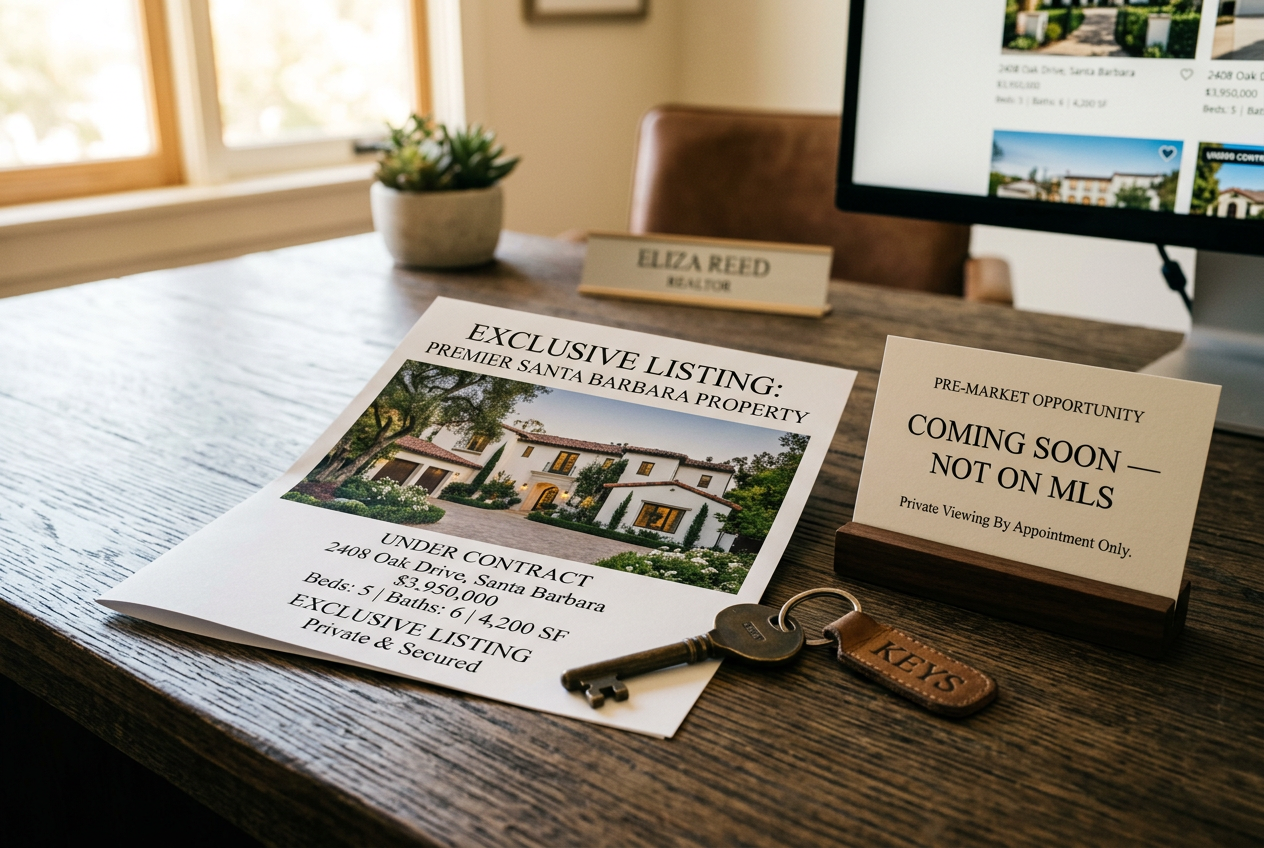
The phrase “off-market” often stands in for three different situations. Confusion starts when a seller hears “exclusive,” an agent hears “control,” and the MLS hears “public marketing.” Clean language up front protects both the client and the license.
“Off-market” usually means the property does not appear on the MLS. “Off-MLS” says the same thing with less ambiguity. “Pocket listing” describes the marketing method, not the database choice. The agent holds the listing and shares it privately.
The terms below overlap in real life, but the compliance triggers differ. Many MLS systems add their own definitions and timelines, so agents should confirm local rules before using any label.
| Term | Where it is shared | Typical purpose | MLS exposure status |
|---|---|---|---|
| Office exclusive | inside one brokerage only | privacy and control | not in MLS |
| Coming soon | public-facing, but showings limited | build demand before go-live | usually in MLS in a coming soon status |
| Pocket listing | private networks, curated outreach | limited access, fast match | not in MLS unless entered later |
| Full MLS listing | MLS + portals + broader syndication | maximum competition | in MLS |
Quick definitions to prevent office exclusive and coming soon mix-ups.
Why Sellers Choose Private Exposure and How It Spreads
Privacy drives many off-MLS decisions. High-profile sellers, security concerns, and sensitive life events all make “fewer people through the home” a real need. Tenant occupancy adds another layer. A private strategy can reduce disruptions and help keep schedules predictable.
Convenience matters, too. Some sellers want a softer start while repairs finish. Others want to avoid open houses, neighbor curiosity, or weeks of preparation. A short private window can also act as a price test when the seller feels uncertain about value.
Distribution still happens, even when a listing stays out of the MLS. Agents share office exclusives inside the brokerage, circulate targeted emails to known buyers, and make direct calls. The agent’s prospecting system plays a role here, which is why off-market conversations often show up in how to get real estate listings.
Market temperature should shape the decision. A tight market can make a short private test less risky, while a cooler market often punishes limited exposure. A practical way to frame that temperature is absorption rate and market conditions.
Pocket Listing Pros and Cons Scorecard

Private exposure solves one problem by creating another. The seller gains control, but the seller also gives up open-market price discovery. When fewer buyers see the home, fewer buyers compete.
Evidence on pricing varies by market and execution, but the direction stays consistent: reduced exposure often links to lower outcomes. One analysis found homes listed on the MLS sold for about 18% more than comparable off-market homes. That does not prove every off-MLS deal underperforms. It does show why “exclusive” does not equal “premium.”
Agents can use a simple scorecard to keep the conversation grounded:
Even in a private phase, exposure tools still matter. Off-market limits traditional events like broker opens and public open houses, which can remove a meaningful demand driver. For the public phase, open house tactics can become part of the “exit plan.”
Clear Cooperation Policy Rules Agents Must Follow
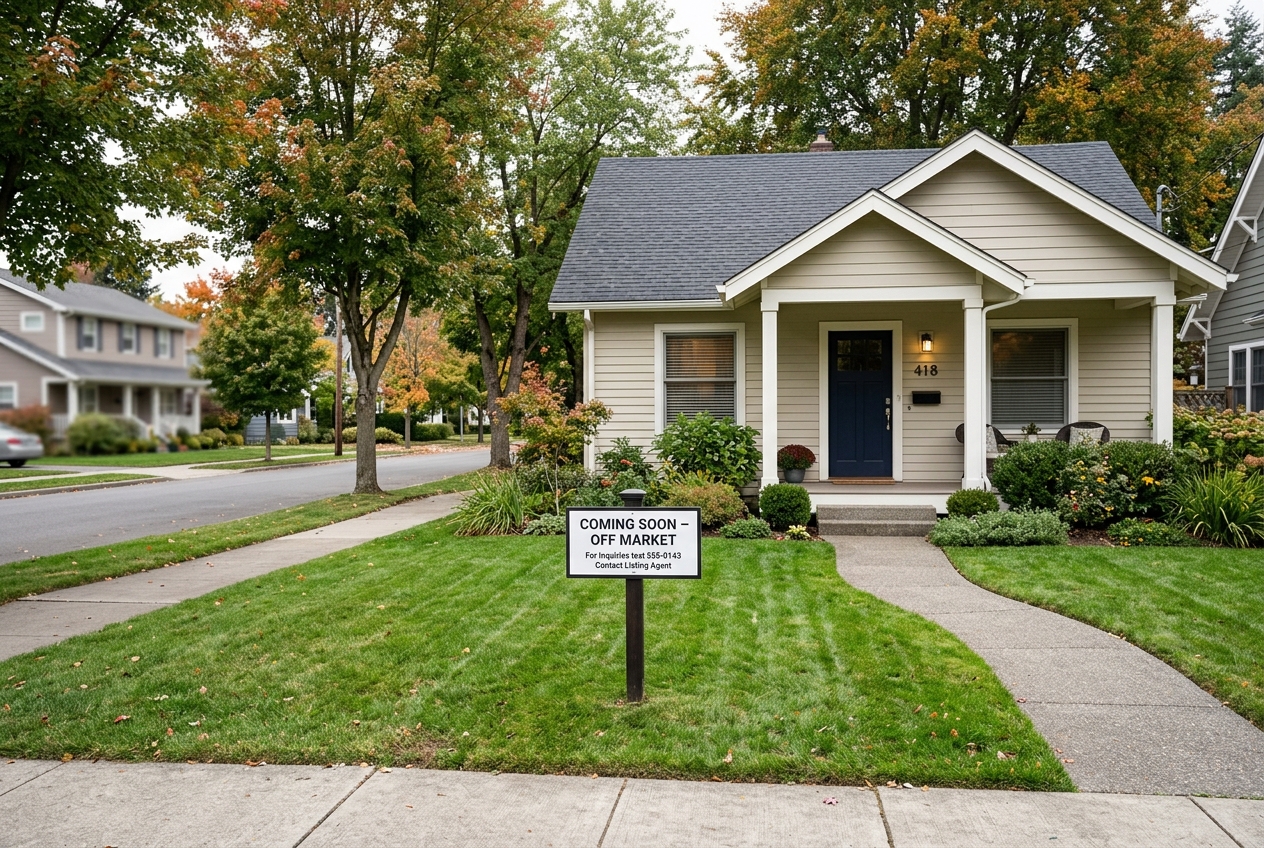
Clear Cooperation questions usually boil down to one issue: what counts as public marketing. Once marketing becomes public, many MLS systems expect fast submission. Agents should treat compliance as a pre-marketing task, not a cleanup task.
The National Association of REALTORS explains that the Clear Cooperation Policy requires MLS submission within one business day once a listing broker publicly markets a property. Local MLS rules can add details and exceptions. The safest move is to read the local policy alongside the do’s and don’ts of the MLS.
A practical compliance workflow can look like this.
Get written seller instruction
Collect a signed directive that states the seller’s reason, the intended audience, and the planned end date for the private phase. Store it in the file before any outreach begins.
Choose the correct label
Pick office exclusive only when sharing stays inside one brokerage. Use coming soon only when the MLS offers a compliant status. Avoid the word “pocket” as a substitute for a rule.
Define what triggers public marketing
List the exact actions that count as public, such as yard signs, social posts, flyers, and public websites. Add email outreach outside the brokerage to that trigger list.
Lock the channels and scripts
Restrict distribution to the approved channels for the chosen label. Use the same screening questions for every inquiry to reduce steering risk.
Set the MLS clock and the exit plan
Once any public marketing happens, start the one-business-day timer. If the private test fails, launch the MLS plan immediately instead of extending the private phase.
Package the deliverable and keep sensitive items out
Include in the written deliverable: definitions, the signed instruction, allowed channels, trigger actions, the test timeline, and success metrics. Save sensitive details for a live conversation, such as security routines, family circumstances, and negotiation posture.
Agents also need clear Disclosure for any edited visuals used in marketing. A simple line works in most contexts: “This image has been virtually staged and or digitally altered. The property currently appears different.” MLS Rules vary, so agents should confirm required labels and any Virtually Staged Watermark requirements locally.
Pricing, Fair Housing, and Other Risk Controls
A private sale can feel calmer, but it creates pricing risk. Without broad competition, the seller and buyer rely more heavily on valuation discipline and documentation. Agents can reduce surprises by treating pricing as a process, not a number.
Fair value starts with comps, but comps need guardrails. Agents can tighten the range by using only recent closed sales, matching condition honestly, and adjusting for major functional differences. Many teams add a pre-list inspection to reduce renegotiation risk. Some sellers choose an appraisal to create a third-party anchor when the buyer pool stays small.
Fair housing risk does not disappear off-MLS. Limited exposure can amplify steering concerns if outreach looks selective. Agents can reduce risk by using consistent criteria, documenting inquiry handling, and avoiding language that targets or excludes protected classes. Private does not mean informal.
Commission figures also deserve careful handling. A seller-facing off-market plan should not include commission numbers, since the document often gets forwarded and misread. The listing agreement and in-person conversation provide a better place for compensation terms and agency disclosures.
If the property needs a fast public launch later, preparation during the private phase matters. The private window can fund the basics, including repairs, cleaning, and visual prep that helps enhance your listing before it goes live.
A Test-Then-Launch Timeline That Stays Compliant
A defined test window keeps a private strategy honest. Many sellers do well with a one to two week off-MLS test, followed by a full MLS launch if results fall short. The timeline works because it limits exposure loss while still honoring privacy for a short period.
Success metrics should be set before outreach begins. Practical options include: a minimum number of qualified showings, at least one written offer by a set date, or an offer price that meets a pre-agreed threshold. If the metrics miss, the plan shifts to maximum exposure.
The “launch” plan should exist on day one. It can include pro photos, a clear disclosure plan, and a narrative that matches the comps. Fast execution matters when sellers want momentum, and how to sell a house fast can help frame the trade-offs.
Public launch also needs tighter copy, since the listing now competes with every other home online. A short private phase gives time to draft, review, and refine the MLS remarks, which is where writing effective listing descriptions becomes part of compliance and conversion.
Standard playbooks still have exceptions. Some situations call for immediate MLS exposure, such as price-sensitive neighborhoods, rural properties with thin buyer pools, or listings where the seller needs the broadest fair housing outreach. Other cases justify a private start, including tenant-occupied homes, security-driven privacy, or health-related limits on showings. The best plans name the exception, document it, and keep the exit plan ready.
Frequently Asked Questions
Is a pocket listing the same as an off-market listing?
Not always. “Off-market” and “off-MLS” describe where the home is not listed. A pocket listing describes how the agent markets it, through private outreach. Office exclusive and coming soon add more structure. Office exclusive limits sharing inside one brokerage, while coming soon often uses an MLS status with limits on showings or days active.
Do off-market homes sell for less than MLS listings?
Often, yes. Reduced exposure usually means fewer competing offers, which can lower price or weaken terms. Some private sales still hit strong numbers, especially when pricing is disciplined and demand stays high. Sellers should treat “exclusive” as a privacy and convenience choice, not proof of a premium outcome.
What triggers the Clear Cooperation MLS clock?
Public marketing usually triggers it. That can include a yard sign, public social media, flyers, or broad outreach to buyers outside the brokerage. Once public marketing begins, many MLS systems expect the listing to be submitted quickly under the policy’s timeline. MLS definitions vary, so agents should confirm local language.
How can sellers set a fair price without open-market bidding?
Start with tight comps and honest condition matching. Add a pre-list inspection to reduce price renegotiation later. Some sellers use an appraisal to create an outside anchor. A short private test window with clear success metrics can also validate pricing. If the test misses, a full MLS launch restores price discovery.
How can buyers find pocket listings without overpaying?
Buyers usually find them through local agents, brokerage networks, and word of mouth. Because the market stays smaller, discipline matters more. Buyers can run independent comps, insist on a full inspection, and avoid urgency-based decisions. A strong offer can still be rational, but it should match the data.
Are pocket listings legal for agents to use?
Yes, but legal does not mean unrestricted. Agents still must follow fair housing law, state agency rules, and MLS rules, including Clear Cooperation where it applies. The safest practice uses written seller instruction, documented outreach procedures, and a defined exit plan to the MLS when the strategy needs broader exposure.