Best Time of Day for Real Estate Photography: A Playbook
In short
- Orientation sets the window: book the exterior block while the sun lights the target elevation from the camera side.
- Shoot in sun order: sequence interiors by when rooms lose direct sun, not by the floor plan.
- Bad slots stay workable: midday and overcast need different priorities, plus honest limits on what editing can fix.
The best time of day for real estate photography is rarely a universal hour. It is a booking decision tied to one address, one date, and one set of hero shots.
A fast read of facade direction usually answers the seller’s question, “what time Thursday?” Then the season and the sun’s path through the rooms finishes the plan. For a broader workflow beyond timing, start with this real estate photography guide for beginners and treat timing as the booking step that prevents reshoots.
The sections below turn orientation into a shoot window, map interiors room by room, and give a run of show that holds together when the only available slot is imperfect.
Start with which way the house faces
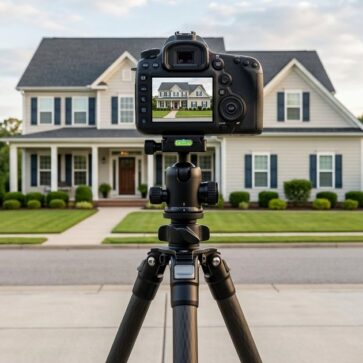
A shoot time picked before checking orientation is a guess. Orientation tells when the sun sits behind the camera for the front elevation, which keeps siding color accurate and the entry readable.
Agents can find facade direction in under a minute. A satellite map shows where the front door and driveway point relative to north. A phone compass at the front door also works, as long as the reading happens facing straight out from the entry.
Two quick questions keep the booking honest.
Checklist
0 of 2 doneA front-yard-focused listing needs a front-lit facade. A yard-and-patio listing may need the opposite side lit first, even if the front sits in shade.
Pick the best time of day for real estate photography by facade orientation
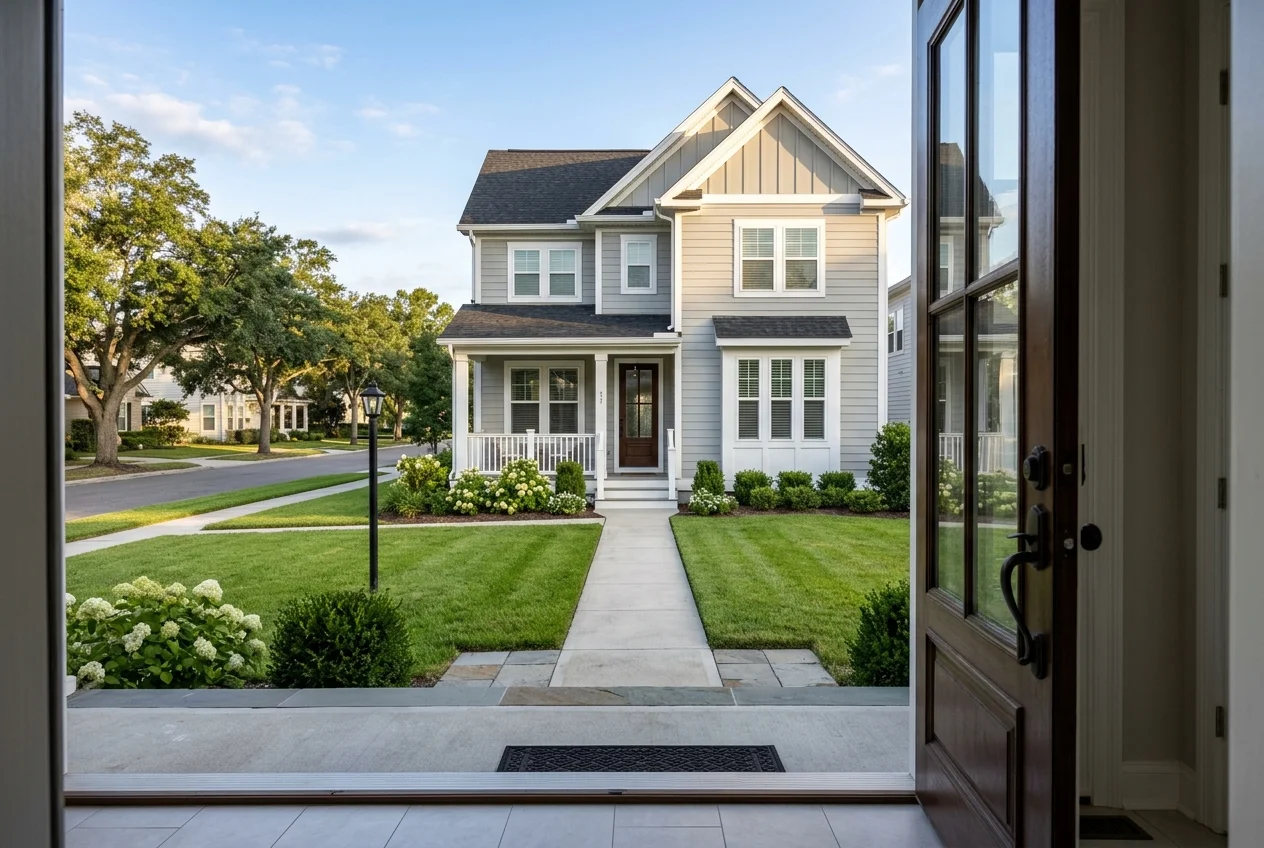
Clock time changes by location and season, but the logic stays stable. The goal is simple: schedule the exterior block while the sun lights the target elevation from the camera side, not from behind the roofline.
East-facing facade
Best window: morning, while the sun still sits on the east side of the house.
An east-facing front reads clean early. Light stays directional but not harsh, and the camera avoids shooting toward the sun. A morning window also reduces the odds of long shadows stretching across the driveway from west-side trees.
Trade-offs that affect the plan: dew on hardscape, school drop-off traffic, and sellers who cannot prep the home early. In those cases, booking later and saving the exterior for the end can still work if the front falls into open shade.
West-facing facade
Best window: late afternoon, as the sun drops toward the west.
A west-facing front usually looks best when the sun sits behind the camera and low enough to add shape to landscaping. This window tightens fast near sunset, so the schedule needs slack earlier in the day.
Trade-offs that affect the plan: cross-street shadows get longer in the last hour, and glare can spike on glossy garage doors. A three-quarter angle can keep highlights in check while still holding front light.
North-facing facade
Best window: most of the day, including midday.
A north-facing front often sits in soft, indirect light. That makes midday a safe booking choice rather than a compromise. The light stays even, which helps a full set look consistent.
Trade-offs that affect the plan: the sky becomes the main light source, so deep porches and recessed entries can look dark. A steadier exposure plan matters more than a perfect hour.
South-facing facade
Best window: early or late, with the sun off-axis.
South-facing fronts create the hardest scheduling problems because the sun crosses in front of the elevation. Midday can push light straight into the lens, and overhead sun can carve dark eave shadows across the entry.
Fix that keeps the schedule simple: book early or late so the light rakes across at an angle. A slight shift off-center also keeps flare down and preserves detail on the door side of the entry.
Mixed-orientation properties
Some homes need morning light for the front and afternoon light for the yard. Overcast weather can solve that in one visit by removing hard directionality.
When clear skies are likely, a split visit only pays off under a tight test:
Checklist
0 of 3 doneIf that test fails, the better plan is a single visit with a clear shot order, plus a realistic fallback for the one elevation that cannot be perfect.
How the window moves with season and latitude
Season changes the clock, not the rule. Winter light runs lower and days shorten, so the front-lit band tightens and the exterior block has less wiggle room. Summer light can push good evening exteriors late, which collides with dinner hours and neighbor activity.
Latitude adds a second twist. Farther from the equator, summer days stretch and winter days compress. The same west-facing house might hold friendly front light for a long summer window, then lose it fast in winter.
A scheduling habit beats memorized times.
Checklist
0 of 3 doneTwilight also shifts with season. Short winter days can make twilight easier to fit before a seller wants the home closed up, while long summer days can push it late.
Plan the light before leaving the office
A two-minute pre-plan prevents a ten-minute scramble on site. Satellite view answers orientation, and a sun position app confirms where the sun sits at the proposed appointment time on that date.
The most useful pre-checks are simple.
Checklist
0 of 3 doneBooking should end with a short “call sheet” that the seller can follow. The deliverable should include access time, the expected duration, and a reminder that every interior light should be on with matched bulbs. Detailed creative notes belong in the on-site walkthrough, where the photographer can see reflections and shadow lines.
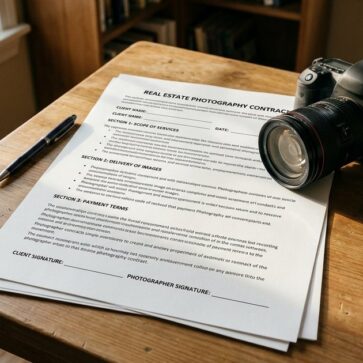
Shoot agreements can stay separate. A timing plan reads cleaner when it avoids commission splits, licensing fees, or line-item pricing.
Follow the sun through the house, room by room
Interiors still have a schedule, even with added light. A room shot while direct sun cuts across the floor creates hard shadow lines and a bright window-to-wall gap. A room shot after the sun leaves that wall reads calmer and edits faster.
The simplest interior rule is directional.
- East-facing rooms peak early.
- West-facing rooms peak later.
- North-facing rooms stay steady.
- South-facing rooms swing from harsh to soft depending on hour and overhangs.
Room order should follow the light, not the floor plan. Photographers often get a cleaner set by shooting rooms the sun has already left, then circling back when the hot patches move.
Lighting technique also changes the tolerance for bad timing, but it does not remove timing problems. For the gear and exposure side, this real estate photography lighting guide covers the settings and lighting mix that keep interiors consistent.
Two exceptions are worth planning around.
Checklist
0 of 2 done
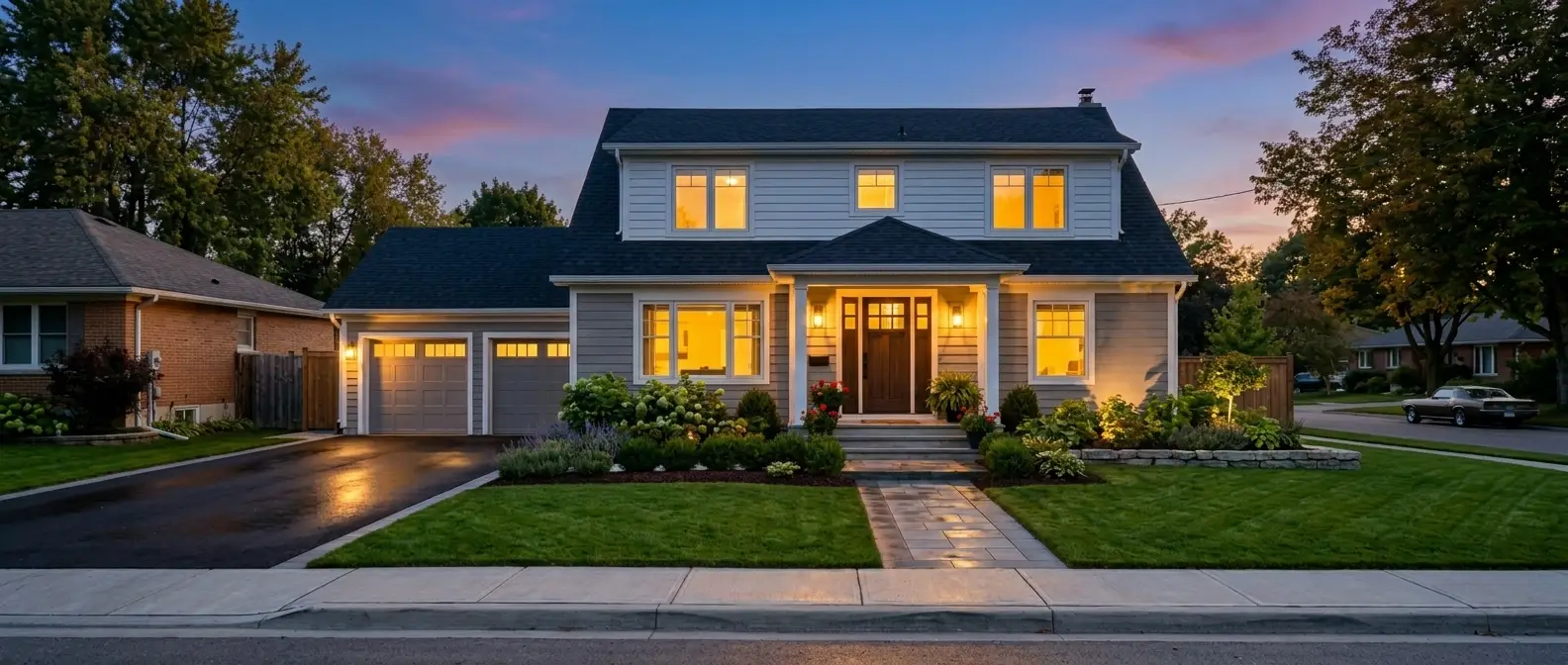
Turn a daytime shot into golden hour
Twilight sky, cleaner shadows, a tidier lawn. 10+ tools, including social pack. Free trial credits, no credit card.
Start day to dusk freeA sample real estate photo shoot schedule for a 2,000 sq ft listing
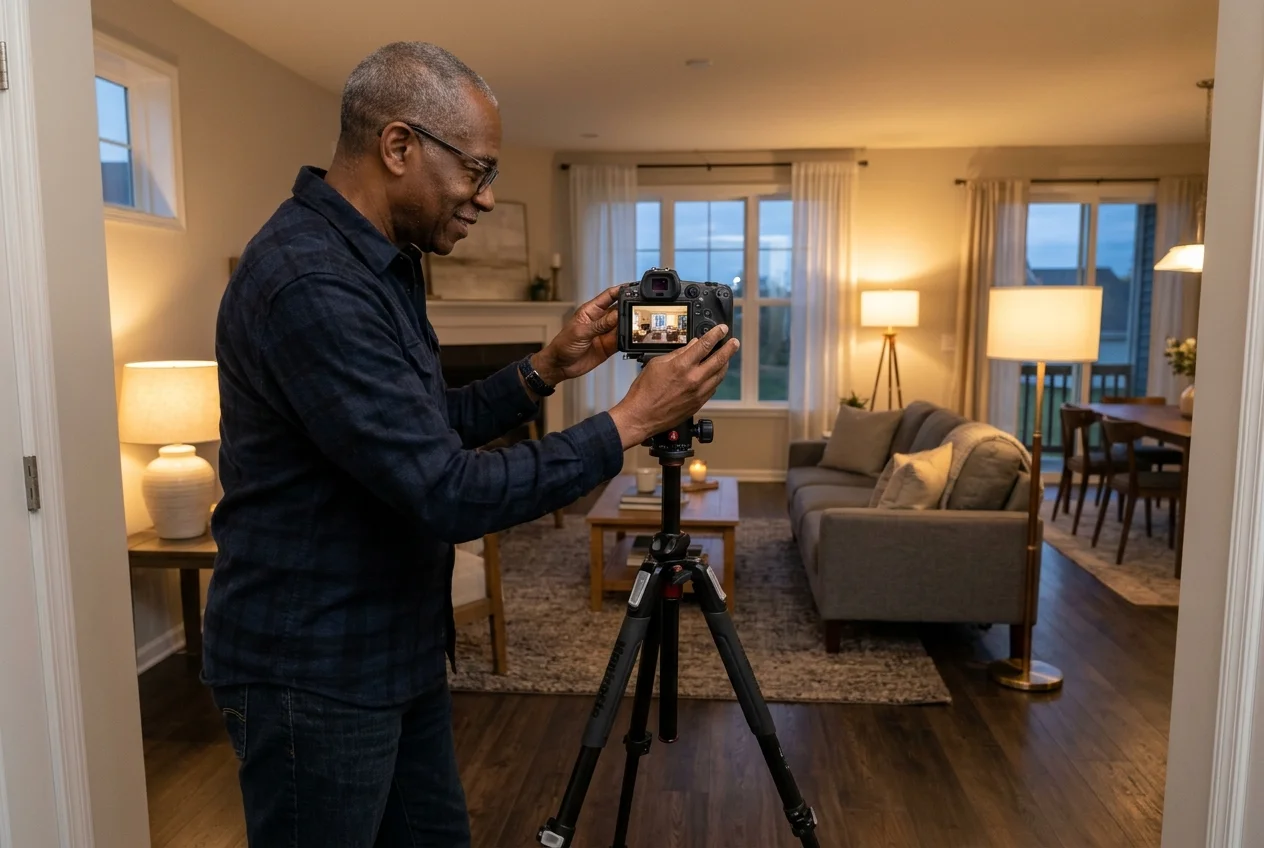
This run of show anchors to sunset so it travels across seasons. It assumes a standard interior set, a front-and-back exterior block, and an optional twilight exterior at the end.
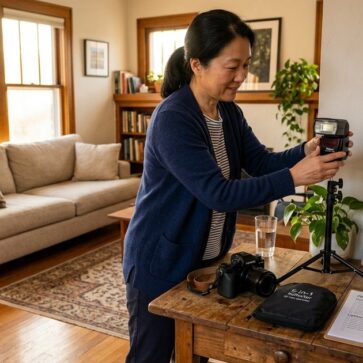
- Arrival buffer and walkthrough: reserve a short window to open blinds, hide bins, and confirm the hero shots. This is also the moment to prepare the home before the photographer arrives in real time, not in theory.
- Interior block one, rooms out of direct sun: start where light is already soft. Save the bright, sun-struck rooms for later.
- Exterior block in the front-lit window: shoot the hero elevation first, then alternate angles. Add driveway, entry, and street context while the light still matches.
- Interior block two, the rooms that just cooled off: return to spaces that had hard sun at arrival.
- Backyard and outdoor living: shoot patios and pools when they read welcoming, not washed out.
- Twilight hold and twilight exterior: turn on all visible interior lamps and exterior fixtures, lock the composition, then shoot the short balance window. This twilight real estate photography guide covers the full setup so the frame is ready before the sky turns.
Slack belongs at the start and at twilight. When the schedule slips, the first cuts should be duplicate interior angles, not the hero exterior.
When the only slot is bad light
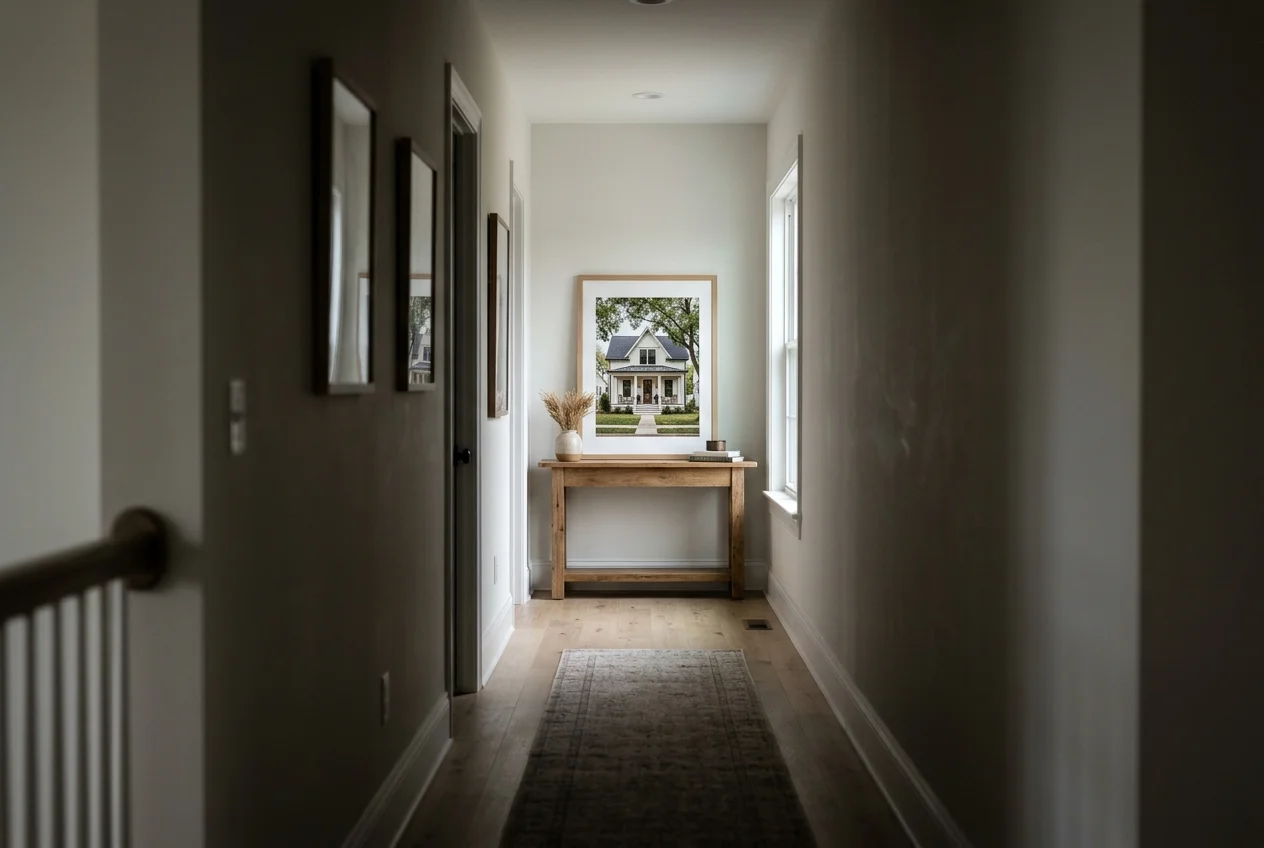
Bad light is common. The goal is a calm plan that still produces a consistent set, plus a clear limit on what editing can fix after the fact.
Harsh midday sun
Midday is often neutral and predictable, which can help a set match. The problems are overhead porch shadows and the brightness gap between windows and interior walls.
Composition fixes most of the pain. Photographers can shoot the shaded elevation, keep the sun out of frame, and use a three-quarter angle to reduce flare. Exposure strategy matters, too. HDR bracketing for real estate can hold window detail while keeping the room readable.
Flat overcast
Overcast removes the direction problem. Shadows disappear, and mixed-orientation properties get easier.
The trade is mood. Exteriors can look flat, and the sky often turns into a bright white sheet. On overcast days, the hero shot should rely more on composition, landscaping lines, and a clean entry than on dramatic light.
Rain, snow, and mixed weather
Light matters less than surfaces when weather turns. Wet pavement can reflect bright sky, snow can spike glare, and wind can ruin outdoor styling.
A simple rule keeps the day efficient: capture the interior set and any covered exteriors, then decide whether rescheduling the outdoor block costs less than editing around puddles, tire tracks, and a dull sky.
Post-production rescue with AI HomeDesign
For a forced dull-sky or midday exterior, AI HomeDesign offers Day to Dusk and Image Enhancement as rescue tools. Day to Dusk includes 30+ twilight sky styles that can be swapped without re-rendering, with windows, lamps, and pool lights lit automatically, plus a darkness slider and unlimited free regenerations. Image Enhancement includes 11 modes, five indoor and six outdoor, including sky replacement, interior lighting, and lawn replacement. Edits return in seconds and are MLS-compliant by default because original fixtures and structure stay intact.
AI edits still need a usable base frame. An edited sky can improve mood, but it cannot recover a silhouetted facade or a blown window with no detail. The free trial includes free credits with no card, and free results are watermarked. A client-facing download needs a paid plan, with Pro at $19/mo billed yearly, which equals $228/yr, or $35/mo billed monthly.
Timing mistakes that show up in the final set
These problems almost always trace back to booking and shot order. Fixing them starts with recognizing what caused the look.
Checklist
0 of 5 doneA fuller library of issues that sink a gallery lives in common real estate photo mistakes.
Quick reference for picking the time in two minutes
Checklist
0 of 6 doneA single sentence keeps the logic clean: orientation first, clock second, and any slot can work when the schedule follows the sun.
Frequently asked questions
What time of day is best for real estate photos?
The best time depends on which elevation needs front light. East-facing fronts usually photograph best in the morning, and west-facing fronts usually photograph best later in the day. North-facing facades often stay in soft indirect light, which makes midday a safe booking choice. South-facing fronts often need early or late angles to avoid glare and heavy porch shadows.
Is real estate photography golden hour always worth it?
Golden hour can flatter landscaping and add shape to a facade, but it also pushes warm color across siding and lawns and it leaves little time for a full interior set. Many listings look more consistent when the exterior is shot inside a wider front-lit window and twilight is treated as a separate add-on only when it fits the marketing plan.
Can good real estate photos be shot at noon?
Yes, especially for north-facing exteriors or overcast days. Midday light keeps color neutral and predictable, which helps the set match. The main risks are overhead eave shadows and a big brightness jump between windows and interior walls. A shaded angle, flare control, and exposure bracketing usually solve the issue.
How can facade direction be checked before a shoot?
A satellite map usually shows facade direction from the driveway and front door alignment, and a phone compass at the front door can confirm it in seconds. That one check tells whether the front elevation gets morning or afternoon front light. It also helps decide whether the backyard or a view room needs priority instead of the street-facing exterior.
What is the twilight shoot window for real estate?
The usable twilight window is short, so the photographer should arrive early enough to set all interior and exterior lights and lock the composition before the sky turns. Frames made too late often show a black sky and an over-bright home. Winter often makes twilight easier to schedule because the light fades earlier in the evening.
What if the only available shoot slot is midday or overcast?
A midday or overcast slot can still produce a strong set with a different plan. Overcast removes harsh shadows and usually makes interiors easier. Midday works best when the schedule prioritizes shaded exteriors, avoids shooting straight toward the sun, and uses bracketing for bright windows. Editing can improve sky mood, but it cannot rebuild missing detail from a blown highlight.