Lead costs keep rising, but lead quality rarely rises with them. Real estate lead generation works best in 2026 when agents build owned channels and tighten follow-up, instead of renting attention from portals and hoping volume fixes weak conversion.
The most reliable pipelines mix relationship-based work, fast response systems, and marketing that makes a listing feel easier to buy. The tactics below focus on actions an agent can run weekly, plus a newer edge: AI-powered visuals that win seller attention before a listing appointment.
These tactics are grouped so a team can pick a few, install the workflow, and then stack the next layer.
Why Lead Generation Breaks Down in 2026

Many pipelines fail for boring reasons. The agent runs ads, collects names, and then replies late. The follow-up feels generic. The lead gets one call, one text, and then silence. That is not a lead problem. That is a system problem.
Another common failure starts earlier. Marketing looks the same as everyone else’s. Similar listing photos. Similar captions. Similar landing pages. Even when a lead clicks, the lead has no reason to trust the agent with the next step.
A third breakdown shows up in budgeting. Portal leads and pay-per-click search can drain cash fast. When the spend rises, the agent often cuts the “slow” channels first, like farming, email, and neighborhood content. That choice trades compounding growth for short-term activity.
The fix is a simple framework that can run in any market: one relationship engine, one owned channel, one paid channel, and one conversion multiplier. The conversion multiplier is often visual. When photos, previews, and listing presentation materials improve, every other channel converts better.
Real Estate Lead Generation That Compounds in 2026
Referrals and repeat clients still close with less friction than cold inbound. The difference in 2026 is that successful agents treat referrals like a product line. A referral engine runs on tagging, reminders, and small moments that feel personal.
Tactic: build a systematic referral engine
Micro-action: tag the database by relationship, not by transaction. Examples include “past client,” “local business owner,” “school community,” and “investor.” Then schedule a consistent touch that fits the tag.
Script framework: the agent names the outcome, names the value, and makes a specific ask. A simple pattern works: appreciation, a short update, and a direct request for one introduction.
For deeper structure, building a real estate referral system helps agents put tags, reminders, and referral language into a repeatable plan.
Tactic: use a newsletter as a referral trigger, not a market dump
Micro-action: write one “forwardable” section each month. Examples include a neighborhood event calendar, a short pricing explanation, or a checklist for preparing for photos.
A referral engine becomes stronger when it matches how people actually choose agents. The NAR profile highlights outline how often buyers and sellers pick an agent through repeat and referral relationships.
Tactic: strategic networking and community presence
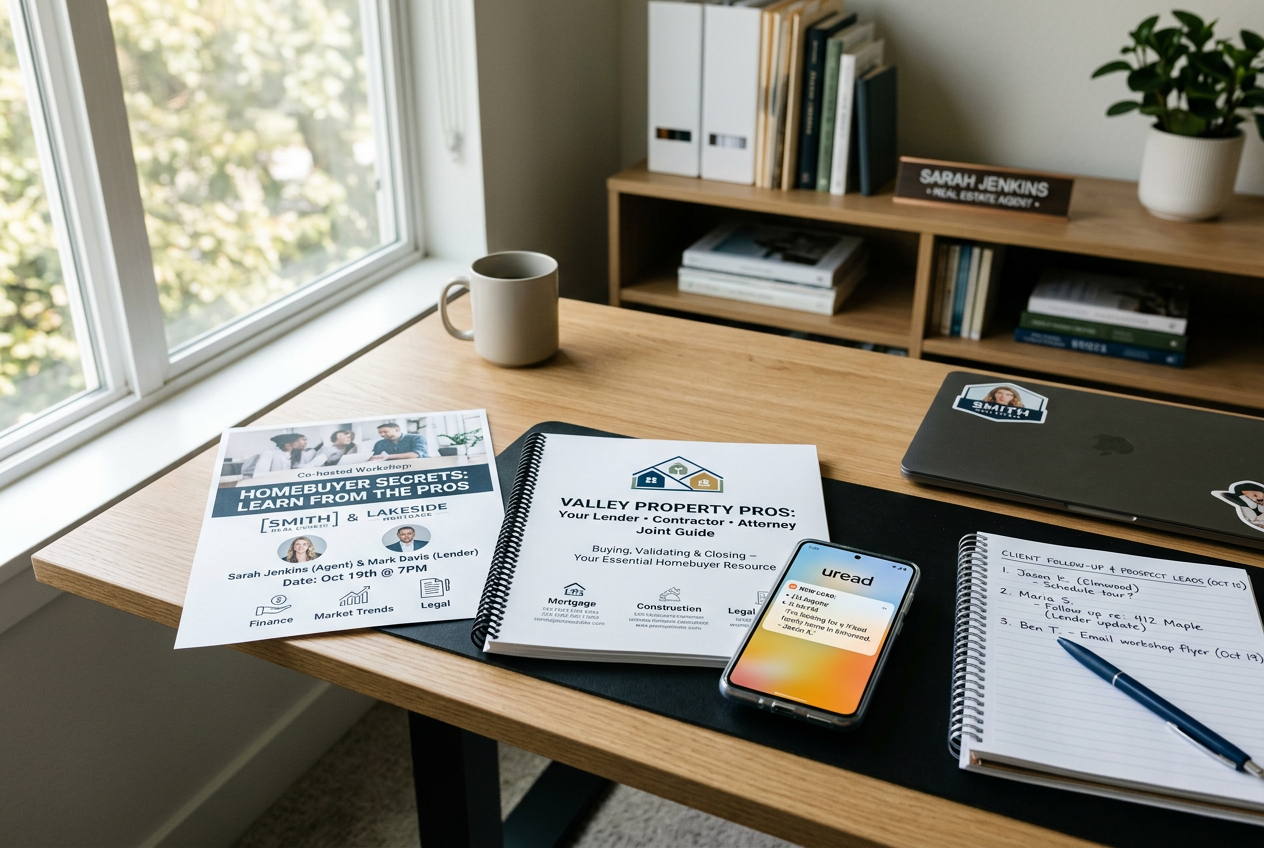
Micro-action: build three local partnerships that sit next to housing decisions, such as a lender, a contractor, and an estate attorney. Each partnership needs one shared offer, like a co-hosted workshop or a joint guide. A single event can create warm introductions for months.
Response and Nurture Systems That Close the Loop
Speed matters, but speed alone does not convert. A fast reply that feels robotic still loses the lead. The winning standard is “fast plus useful.” The first response confirms receipt, offers a next step, and sets expectations.
Tactic: master speed-to-lead with AI chatbots
Micro-action: route every form fill and text inquiry into one inbox, then set an instant response that asks two questions: timeline and financing status. AI chatbots can handle the initial capture after hours, then hand off to an agent when the lead shows intent.
A chatbot also protects the agent’s calendar. Instead of booking every lead, it can filter for urgency and fit. That keeps the human follow-up focused on leads that can move.
Tactic: CRM automation and email drips
Micro-action: create three nurture tracks that reflect real behavior: active buyer, future seller, and past client. Each track needs a rhythm that alternates value and action. Value includes market context, short guides, and answers to common objections. Action includes a call booking link or a home valuation prompt.
For agents building a repeatable email machine, real estate newsletter ideas for SOI emails can anchor a monthly cadence without sounding like a generic market blast.
Tactic: lead routing and accountability
Micro-action: assign an owner to every lead, even if the lead feels “cold.” The CRM should show a next action and a due date. Many teams lose deals because the lead looked unready, then listed with a different agent weeks later.
AI can support these systems without replacing the agent. AI’s impact on real estate marketing covers common ways teams automate first response, qualification, and follow-up.
AI Virtual Staging Lead Generation for Seller Leads
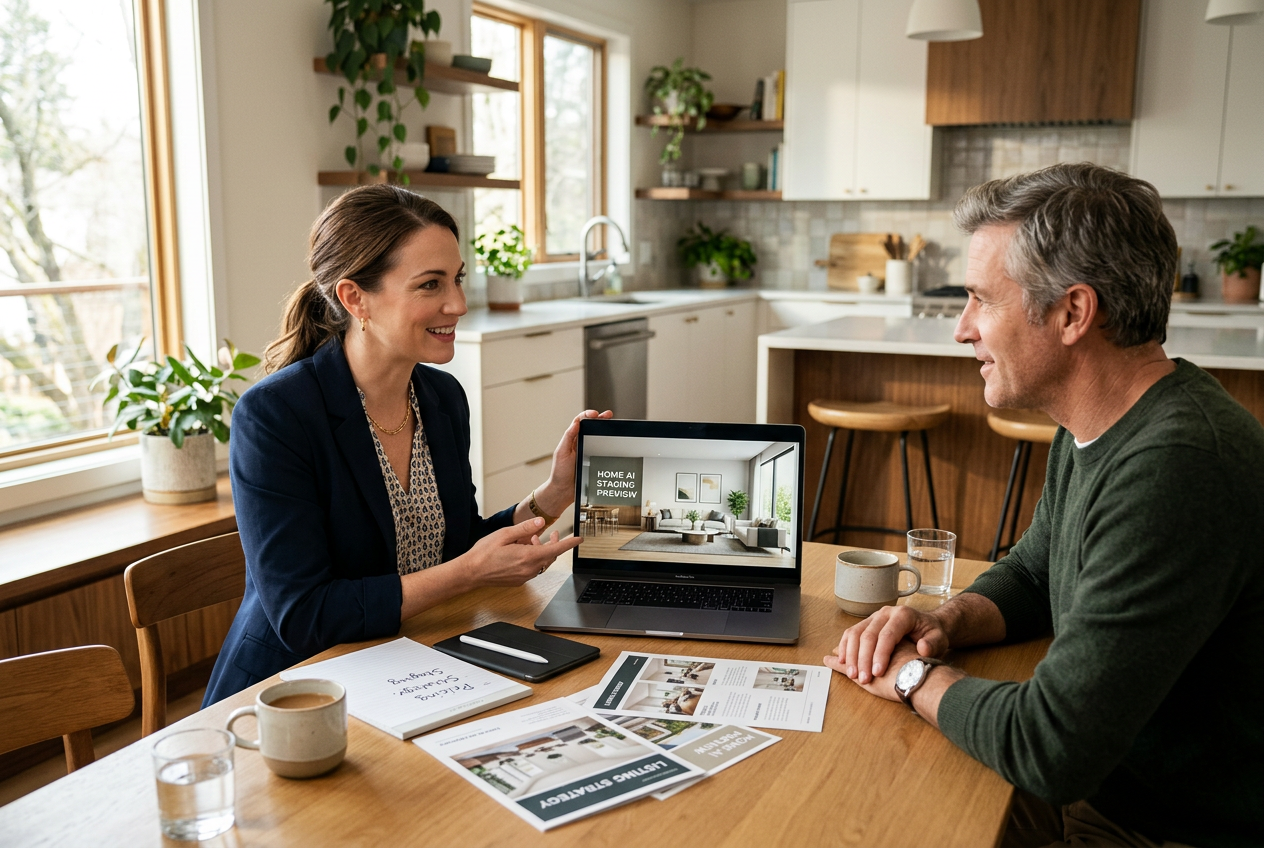
Seller leads often decide before the appointment. The agent who shows a clearer marketing plan, and a clearer visual outcome, wins more listing agreements. AI virtual staging adds a new lever: a preview that feels tangible even before the photographer arrives.
Tactic: use AI Virtual Staging as a seller lead magnet
Micro-action: run a “free staging preview” landing page. The offer exchanges a homeowner email for a before-and-after preview of one key room. Paid social, a farm postcard QR code, and a Google Business Profile post can all drive traffic into the same form.
The funnel works because it gives sellers something they can show a spouse. AI HomeDesign’s AI Virtual Staging supports this workflow with fast variations, so a seller can compare looks without a long wait.
Tactic: build the follow-up around the preview
Micro-action: send the preview within 1 day and attach a simple next step. The next step can be a short call to confirm timing, condition, and pricing expectations. The nurture sequence should reuse the same before-and-after assets across email and social, so the seller sees consistent proof.
Tactic: pre-listing packages that convert inquiries
A package should help the seller say yes, not bury the seller in paperwork. pre-listing package for real estate agents outlines the core parts that reduce friction in the appointment.
Delivery window: agents should send the package 2 days before the appointment. That window gives time for review and creates better questions in the meeting.
Deliverable rule: the package should include the marketing plan, a timeline, key market indicators, and visual examples like AI staging previews. The in-person conversation should hold back negotiation topics, detailed objections, and personal motivation details.
Commission stance: commission or fee figures should not appear inside the deliverable. Many brokerages require specific language, and sellers anchor on numbers without context. The appointment allows the agent to frame value, services, and terms.
Disclosure: any virtually staged image needs clear labeling. Standard language that stays plain is: “Disclosure: virtually staged image. furniture and decor added digitally.” Many MLS Rules also require a Virtually Staged Watermark on the image itself.
For a deeper explanation of how visuals change listing decisions, visual marketing and staging’s impact on listings provides the strategic context that supports the staging-preview offer.
Visual Marketing That Raises Conversion Across Channels

Leads rarely come from a single channel. A buyer might click a portal listing, then check Instagram, then read reviews, then text a question. If the visuals look average at any point, the lead loses urgency.
Tactic: optimize listing visuals to convert portal traffic
Micro-action: build a repeatable “first-photo” standard. The first photo should show the best anchor space with correct light and straight lines. Then build the rest of the set around flow. A great description cannot rescue a weak first image.
Tactic: use AI photo tools as a cost-effective alternative to extra portal spend
AI HomeDesign supports several visual upgrades that can lift conversion across portals and social: Image Enhancement for clarity, AI Item Removal for clutter, and AI Day to Dusk for exterior mood. These edits help an agent refresh a listing without reshooting.
The practical rule is consistency. A listing should look like a single story, not a mix of phone photos and pro work. When visuals stay consistent, ads get better engagement and open house invites get more RSVPs.
Tactic: align visuals with MLS compliance
Micro-action: keep originals saved, label all AI-edited or virtually staged visuals, and follow local MLS Rules for what can change. A safe standard is simple: avoid structural changes, avoid adding features that do not exist, and always use a Disclosure on staged images.
For a checklist that ties these edits to day-to-day marketing, how to enhance your real estate listings breaks down the common upgrades and where each one fits.
Edge cases matter here. Certain situations need a tighter approach:
Distressed sales: minimal edits and clear condition notes reduce disputes.
Tenant-occupied homes: privacy concerns can limit photography and require stronger Disclosure.
Rural and agricultural properties: land and outbuildings often matter more than interior decor.
Off-market listings: visuals should support a curated buyer list, not broad exposure.
Farm Areas and Open Houses With a Digital Layer

Farming and open houses still work because they create local presence. Many agents fail because they treat both as one-off tasks. A farm needs rhythm. An open house needs a capture and follow-up system.
Tactic: geographic farming with a digital layer
A farm wins when the area hears the same message often enough to remember the agent. The message should stay consistent: a local market voice plus proof of execution. Direct mail alone can fade fast, so teams layer retargeting and local social touchpoints on top.
Micro-action: pick one core mail piece and repeat it. A short market update, a recent sale story, or a homeowner checklist can work. Then run a small retargeting audience tied to the farm zip codes.
farming and direct mail that people keep
The fastest farm pieces feel useful, not promotional. Market snapshots, pricing explanations, and “what sellers miss” checklists get saved on kitchen counters.
Micro-action: use real estate farming strategies to select an area and set a cadence that can run for a full cycle.
Proof boosts response when it shows local outcomes. just listed and just sold postcards provide examples that can reinforce credibility without sounding like bragging.
open houses as structured lead capture events
Open houses generate leads when the agent controls the experience. Casual sign-in sheets collect unreadable names. A structured event collects usable contact info and creates reasons to follow up.
Micro-action: set one “hook” per open house, such as a neighborhood market one-pager, a repair credit guide, or a virtual staging before-and-after board that shows the listing’s potential.
Follow-up matters more than snacks. The first message should go out within 1 day and offer a simple next step: a private tour, a lender intro, or a list of similar homes.
Agents looking to formalize the playbook can pull event structure from open house ideas that attract buyers.
Neighborhood content makes open houses stronger. A nearby guide or market page gives attendees a reason to stay in touch. local SEO tips for realtors covers how to build pages that keep ranking after the signs come down.
Social, Paid Ads, and Video That Build Demand
Social content generates leads when it teaches, not when it announces. Paid ads work when the follow-up system exists first. Video compounds when it answers the same questions buyers and sellers ask every week.
Tactic: real estate social media marketing that attracts
Micro-action: run a weekly content loop with three post types: a neighborhood story, a market explanation, and a property walk-through. Before-and-after visuals perform well because they stop the scroll. AI Virtual Staging and Image Enhancement can produce consistent before-and-after content even when inventory is thin.
A platform plan should match the agent’s strengths. Short video fits Instagram and TikTok. Longer neighborhood tours fit YouTube. Community updates fit Facebook groups.
For a fuller cadence by platform, social media marketing for real estate agents maps formats to the kind of lead each one attracts.
Tactic: paid advertising done right
Micro-action: start with one landing page and one offer. Offers that convert include a local market report, a home value estimate, an open house RSVP, or a staging preview. Ads should not send leads to a generic homepage.
Paid leads also need honest qualification. A lead that wants “just browsing” should enter a nurture track, not a high-pressure call loop.
Teams that want a broader menu of campaigns can pull options from real estate advertising ideas.
Tactic: video marketing and YouTube SEO
Micro-action: record answers to repeat questions, then title videos around neighborhoods and intent. Thumbnails should show the place and the promise. Descriptions should include the neighborhood name and a short summary of what the viewer will learn.
Seller Intent Prospecting Plus Benchmarks and Stack
Expired listings and FSBO outreach still work because the seller already showed intent. Predictive analytics adds earlier intent signals, which gives agents time to build trust before the listing window.
Tactic: expired listings and FSBO prospecting
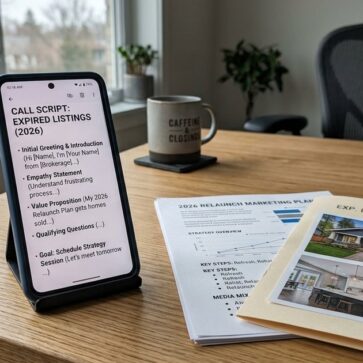
Micro-action: lead with empathy and a post-mortem. The first touch should name the problem without blame, then offer a better plan. Visual proof matters here. A short set of AI-staged examples, plus a clear photo and ad plan, can show the difference fast.
For frameworks that support these conversations, how to get real estate listings in any market connects seller objections, follow-up cadence, and listing presentation structure.
Tactic: predictive analytics and AI lead scoring
Micro-action: treat predictive lists like farming, not like cold calling. A homeowner who might sell later needs market updates, local proof, and consistent touchpoints. The first offer should be light, such as a valuation range or a staging preview of a key room.
For more ongoing ideas across channels, Inman’s lead generation coverage tracks how agents blend outbound, inbound, and tech workflows.
Below is a benchmark-style comparison to help teams choose a mix. Ranges vary by market, offer, and follow-up quality.
A simple 2026 stack keeps focus and avoids channel overload:
Relationship engine: referrals plus a monthly SOI touch.
Owned channel: neighborhood SEO pages or a consistent email cadence.
Paid channel: one campaign tied to one landing page.
Conversion multiplier: a visual system that includes AI Virtual Staging, Image Enhancement, and clear Disclosure practices.
Teams that install this stack usually gain two things at once: more leads and less chaos. The second outcome often matters more.
Frequently Asked Questions
What is the best lead generation strategy for real estate agents in 2026?
The best strategy combines one relationship channel, one owned channel, and one fast follow-up system. Referrals and past clients create the warmest opportunities. Neighborhood content and email create compounding inbound over time. Fast response plus a clear next step keeps leads from going cold, especially from portals and social ads.
How can AI virtual staging help generate seller leads?
AI virtual staging can act as a lead magnet when it becomes a preview offer. A landing page can exchange a homeowner email for a staged “after” image of a key room. That preview gives the seller a concrete outcome to react to, and it creates a natural reason to schedule a listing consult.
What disclosure is required for virtually staged listing photos?
A safe standard is clear Disclosure on every virtually staged visual. Many MLS Rules also require a Virtually Staged Watermark on the image. Plain language works best: “Disclosure: virtually staged image. furniture and decor added digitally.” Original photos should be saved, and marketing should avoid edits that change structure or add features.
What belongs in a pre-listing package versus the appointment?
A pre-listing package should carry clarity, not negotiation. It should include the marketing plan, timeline, a market overview, and examples of listing visuals, including staged previews when used. The appointment should hold pricing debates, personal motivation details, and commission or fee terms, since context changes how sellers interpret those topics.
What is a realistic approach to lead generation costs without buying portal leads?
A realistic approach is to shift spend toward assets that keep working after the budget stops. Examples include neighborhood content, a consistent email newsletter, and farm marketing that drives to a landing page. AI-enhanced listing visuals can also lower the effective cost of other channels by improving click and inquiry rates.